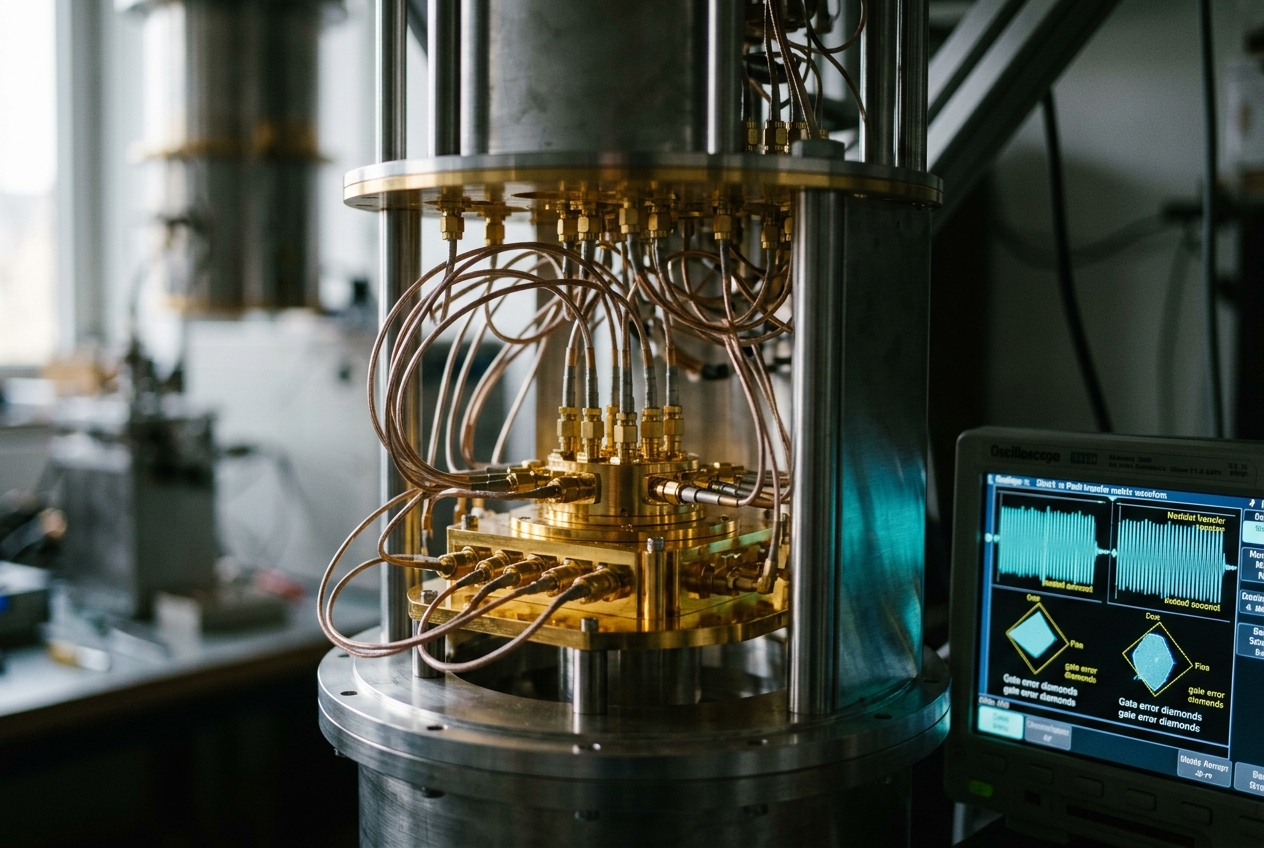
QUANTUM COMPUTING
Gate Set Tomography: Eliminating SPAM Errors and Self-Consistently Calibrating Fault-Tolerant Quantum Gates
## 1. Opening Hook — Why You Should Care
⚡ 6,568 Tokens • $0.00 Cost
## 1. Opening Hook — Why You Should Care
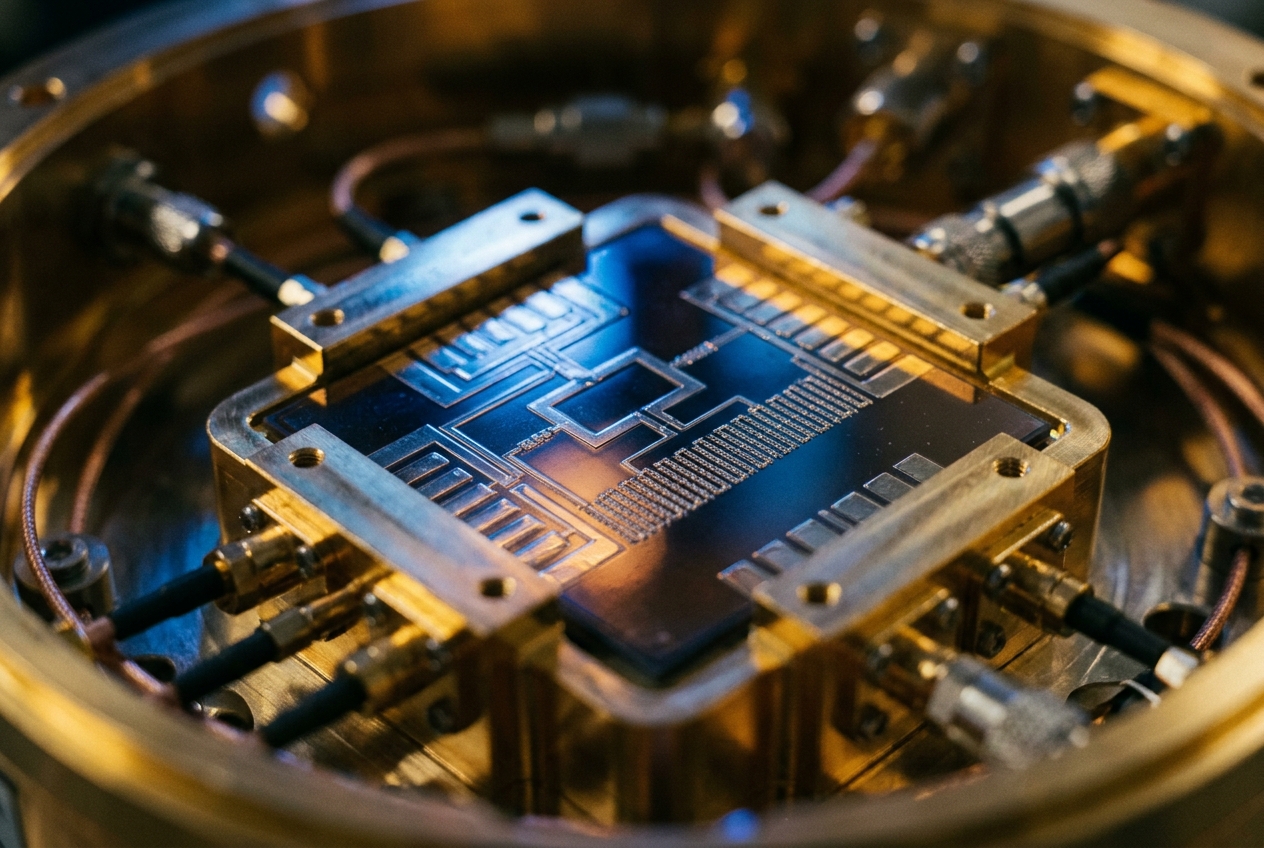
The global race to construct a commercially viable quantum computer is often described as a marathon of numbers: how many qubits can be packed onto a single silicon wafer, how many millions of dollars are invested, or how many years remain until standard encryption collapses. Yet beneath the corporate press releases and geopolitical posturing lies a far more precarious physical reality. The cryptographic protocols that secure every international wire transfer, private medical record, and diplomatic transmission rely on mathematical operations that would exhaust classical supercomputers for millennia. A fault-tolerant quantum computer could unravel those cryptographic foundations in a matter of hours, while unlocking the computational power needed to design life-saving pharmaceuticals and room-temperature energy materials.
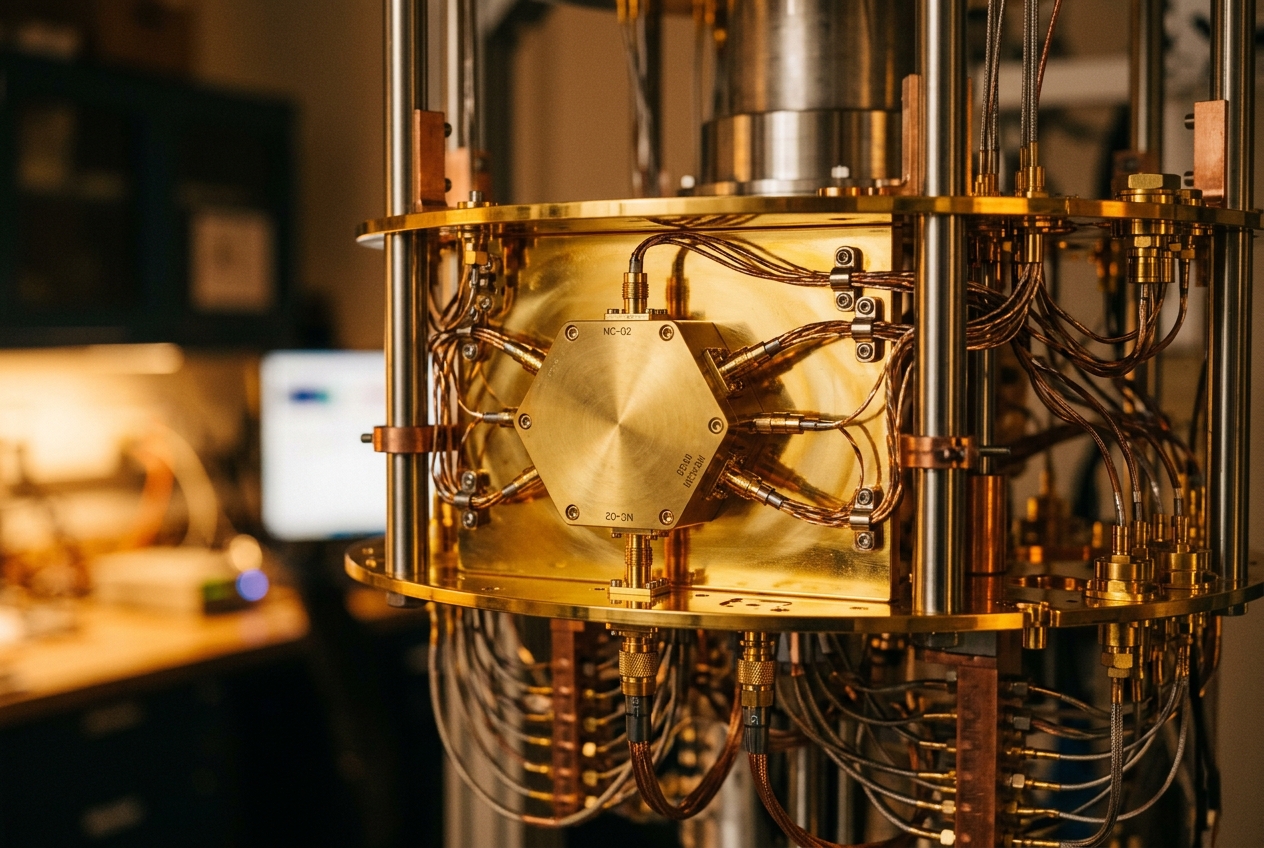
### QUANTUM COMPUTING | A radical new paradigm in physics preserves fragile quantum information not by holding it motionless, but by keeping it in perpetual, rhythmic motion.
## 1. Opening Hook — Why You Should Care
**QUANTUM COMPUTING | A GUARDIAN LONG-READ INVESTIGATION**
The cryptographic infrastructure safeguarding global commerce, medical confidentiality, sovereign state communications, and individual digital identities rests upon a fragile computational wager. Every time you authenticate a banking transaction or send an encrypted message, your security relies on asymmetric mathematical algorithms such as RSA and elliptic-curve cryptography. These algorithms are not unbreakable in principle; rather, they rely on mathematical problems—such as factoring large composite integers or computing discrete logarithms—that would take conventional supercomputers thousands of years to solve. However, as demonstrated by Peter Shor in 1994, a sufficiently coherent fault-tolerant quantum computer running [Shor's algorithm](https://en.wikipedia.org/wiki/Shor%27s_algorithm) can dismantle these mathematical locks in a matter of hours. Even more pressing is the contemporary intelligence threat known as "Harvest Now, Decrypt Later," where adversarial state actors actively intercept and archive encrypted global data traffic today, waiting for the arrival of quantum hardware capable of unlocking it tomorrow.
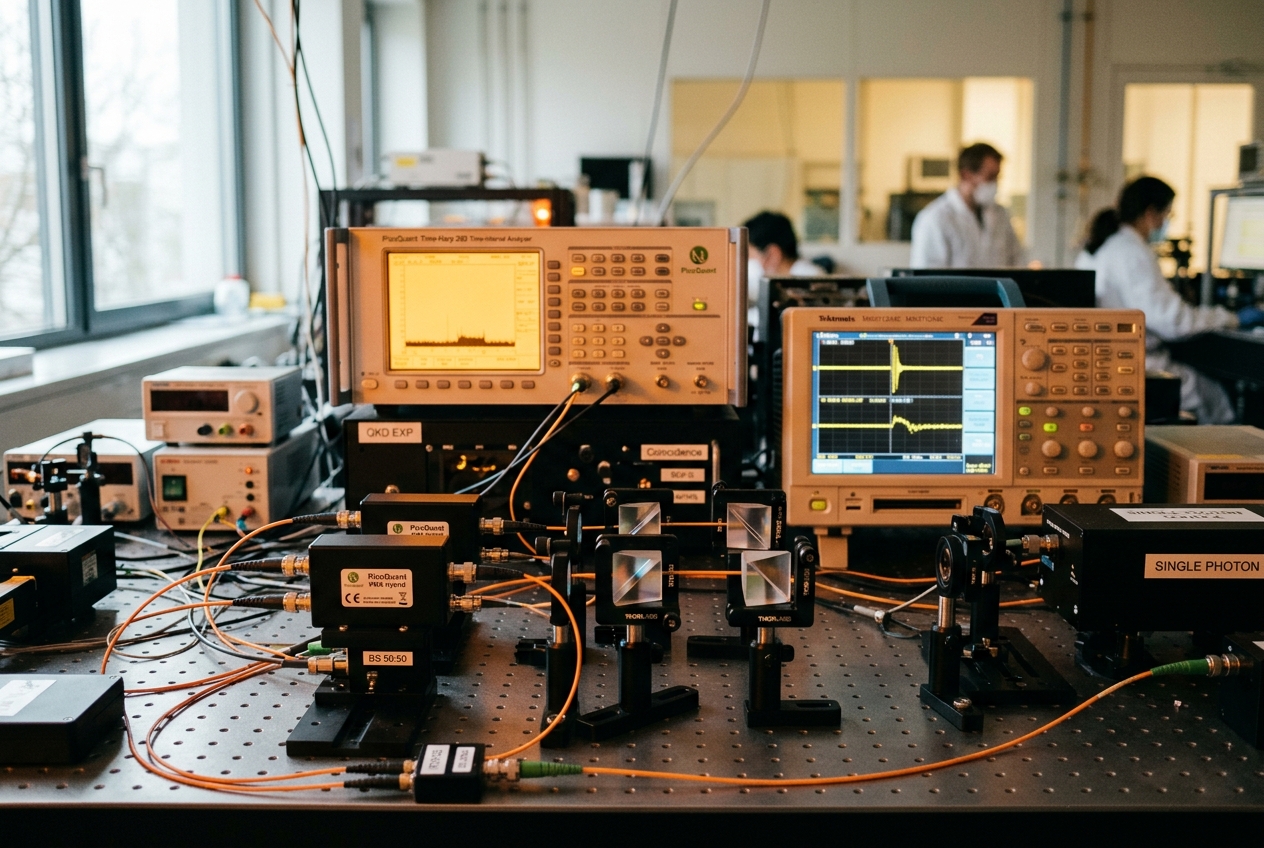
The encryption protecting your medical records, banking transactions, and national power grids relies on mathematical problems that would take existing supercomputers millennia to crack. A sufficiently capable quantum computer, running Shor’s algorithm, could dismantle these defenses in a matter of hours. The antidote already exists in the laws of quantum mechanics: quantum key distribution (QKD) and distributed quantum entanglement, which guarantee that any eavesdropper attempting to intercept a transmission inevitably alters the physical state of the signal, instantly exposing the intrusion.
The encryption that secures every digital interaction on Earth—from banking transactions and classified diplomatic cables to medical records and power grid controls—relies on a set of mathematical problems that would take the fastest supercomputers billions of years to dismantle. A fully fault-tolerant quantum computer running Shor’s algorithm could unravel these cryptographic foundations in a matter of hours. Yet, between our current era of noisy, experimental prototypes and that world-altering reality lies a quiet, foundational mathematical obstacle: we have spent decades measuring quantum errors with the wrong ruler.
Every transaction securing the global financial system, every state secret transmitted across fiber-optic backbones, and every medical record stored in the cloud depends on a comforting classical assumption: that an event, once occurred, is an immutable fact of history. In our everyday macroscopic world, a dropped glass either breaks or remains whole; a train either departs through tunnel A or tunnel B. The past is carved in stone, independent of what we choose to do tomorrow.
Every morning, trillions of dollars in interbank transfers, confidential diplomatic cables, and medical records travel across fiber-optic cables crisscrossing the globe. Almost all of this data is shielded by public-key cryptography—mathematical algorithms like RSA and elliptic-curve cryptography whose security hinges on the immense difficulty classical computers face when factoring large integers or computing discrete logarithms. Yet, this mathematical armor is fragile. A sufficiently capable quantum computer running Shor’s algorithm will one day unravel these problems in a matter of seconds, rendering decades of encrypted archives instantly legible to anyone who recorded them.
### QUANTUM INFORMATION SCIENCE | A LONG-READ TUTORIAL
QUANTUM CRYPTOGRAPHY / LONG READ
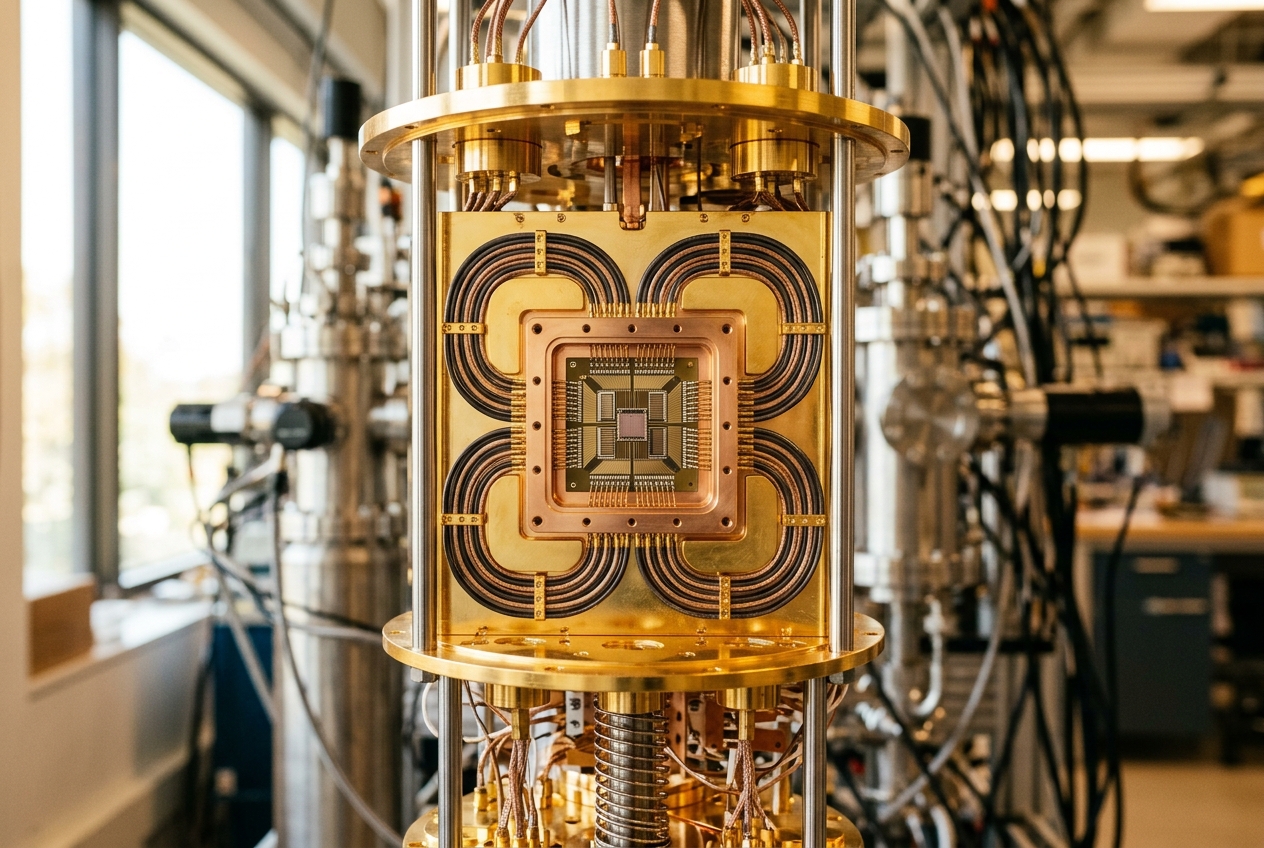
`QUANTUM INFORMATION SCIENCE | THE DEEP READ`

## 1. Opening Hook — Why You Should Care
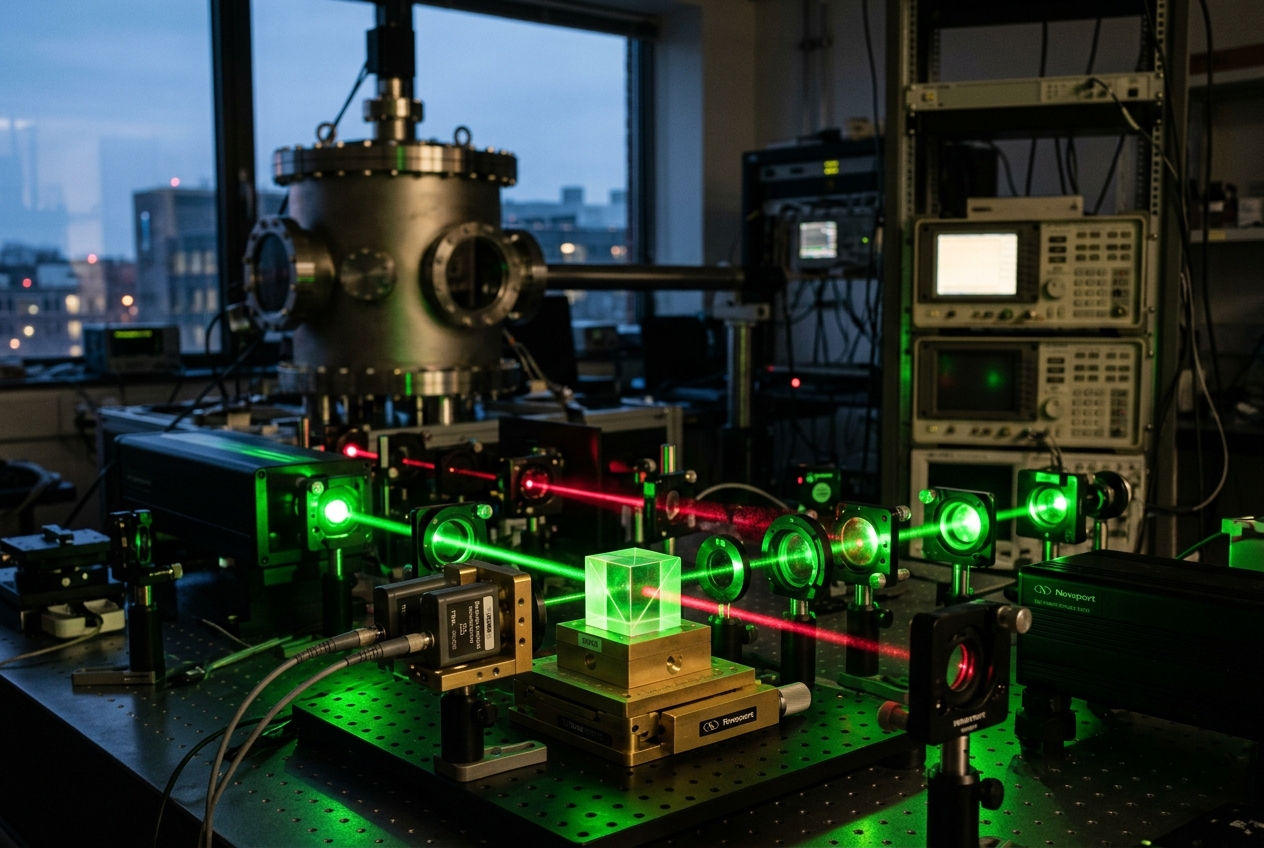
# The Geometry of Precision: How the Quantum Cramér-Rao Bound Defines the Limits of the Observable Universe
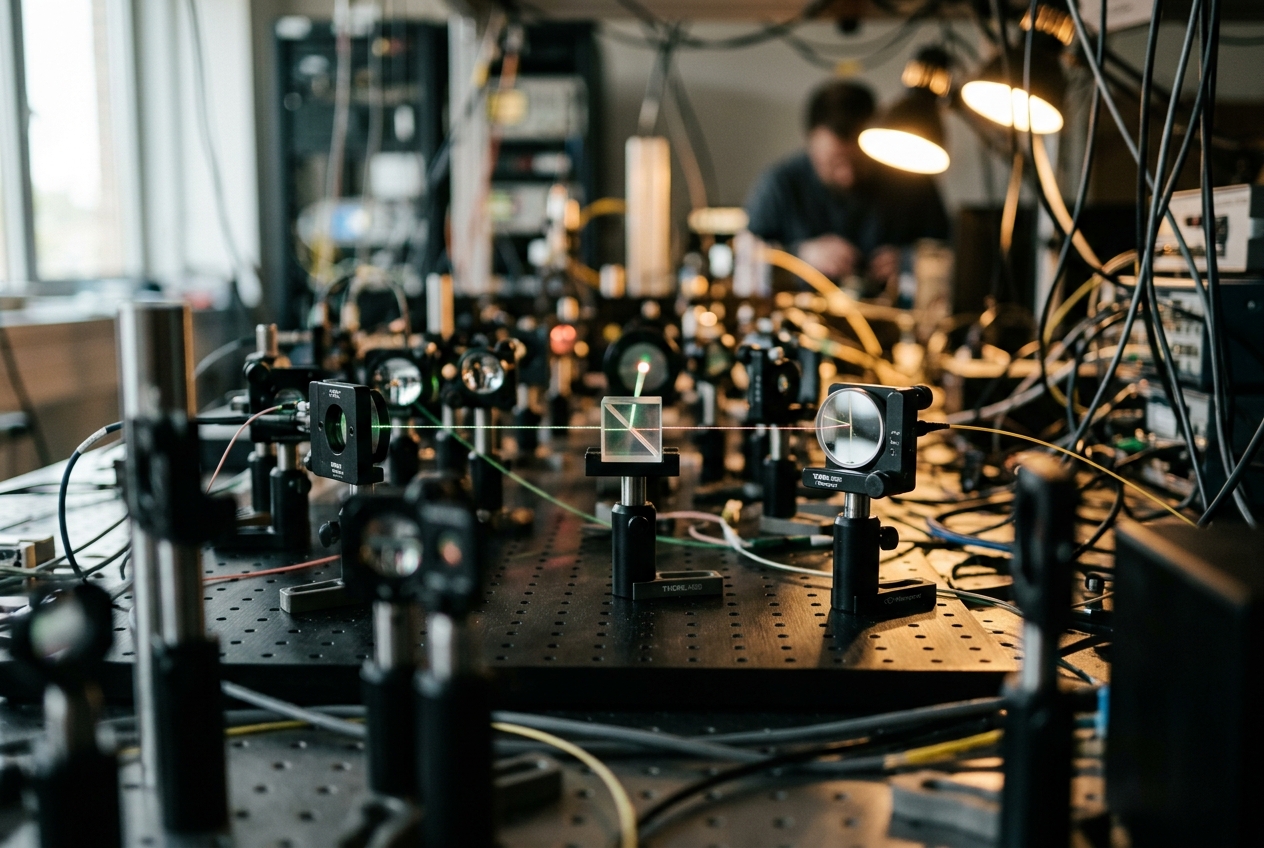
# The Art of Quantum Census: How Quantum Counting Solves Nature's Hardest Inventory Problems
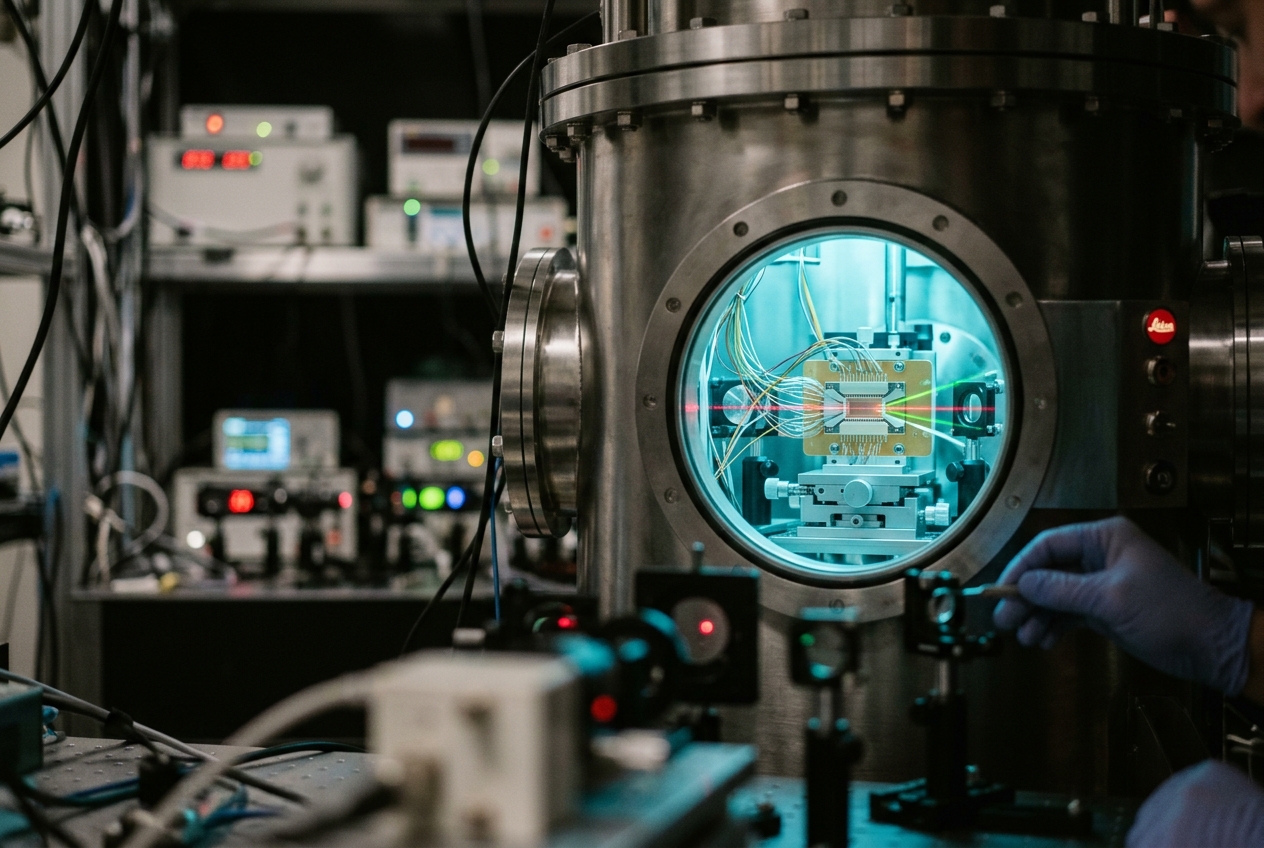
Imagine dropping a confidential personal diary into a blazing campfire. As the paper chars, curls, and disintegrates into smoke and ash, common sense insists that the private thoughts inked onto those pages have been irrevocably destroyed. Yet, according to the fundamental laws of quantum mechanics, that information has not vanished from the universe. Every syllable, punctuation mark, and smudge of carbon remains encoded in the microscopic quantum correlations of the rising soot, the radiating photons, and the thermal vibrations of the air. If you possessed a hypothetical quantum supercomputer capable of tracking and reversing the trajectory of every single particle, you could, in principle, reconstruct the entire diary word for word.
## 1. Foundational Motivation and Theoretical Context
**By measuring the exact balance of entropy leaked to the environment against the information reaching a receiver, physicists have uncovered the mathematical speed limit for transmitting quantum reality across the globe.**
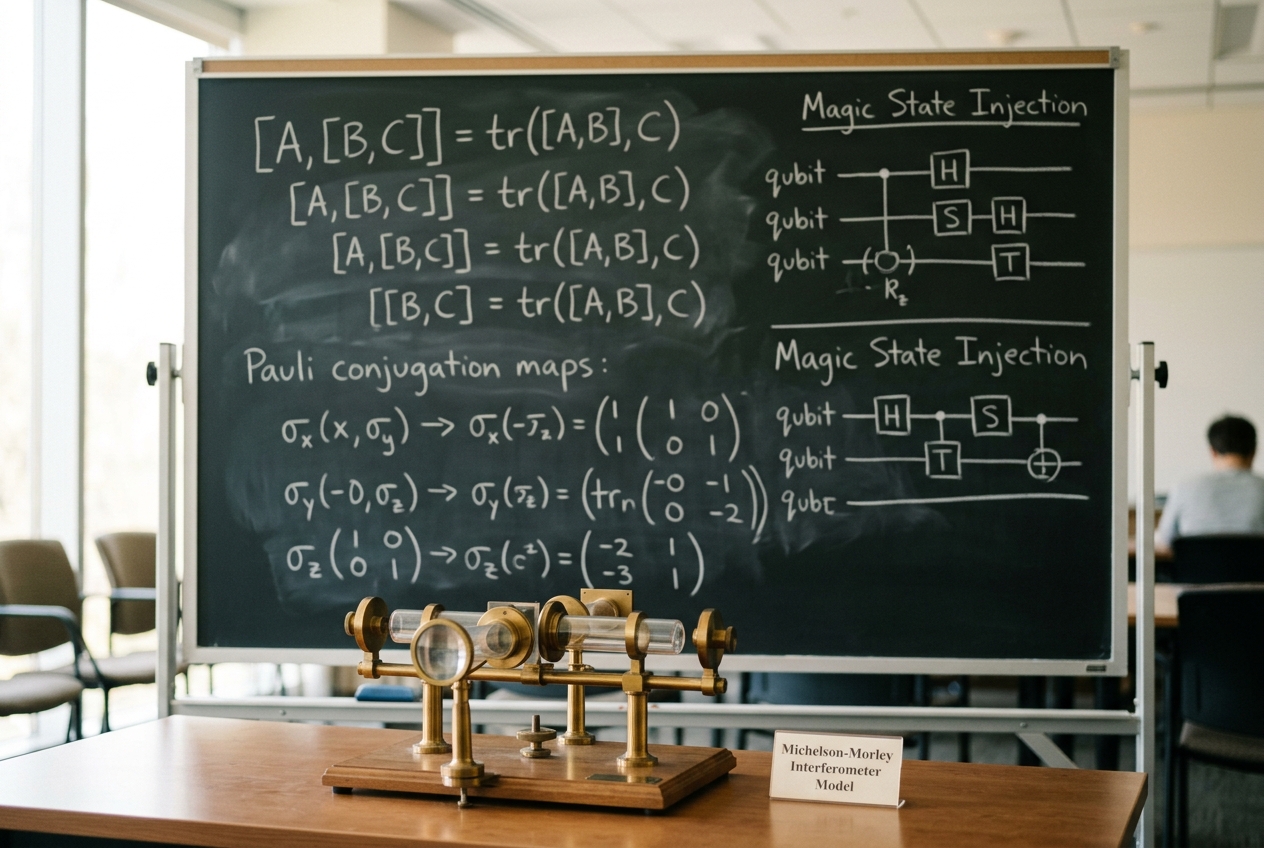
Every time you log into your bank account, purchase an item online, or send an encrypted text message, your security depends on mathematical problems that would take conventional supercomputers millennia to crack. For three decades, the world has lived under the theoretical shadow of quantum computing—a paradigm capable, in principle, of dismantling this cryptographic infrastructure in an afternoon and modeling complex chemical catalysts that could revolutionize clean energy and medicine. Yet, as billions of dollars pour into building room-sized cryogenic refrigerators and optical arrays, the primary obstacle preventing quantum machines from fulfilling these promises is not merely wiring or cooling. It is an unyielding mathematical bottleneck known to physicists and mathematicians as the **Clifford hierarchy**.