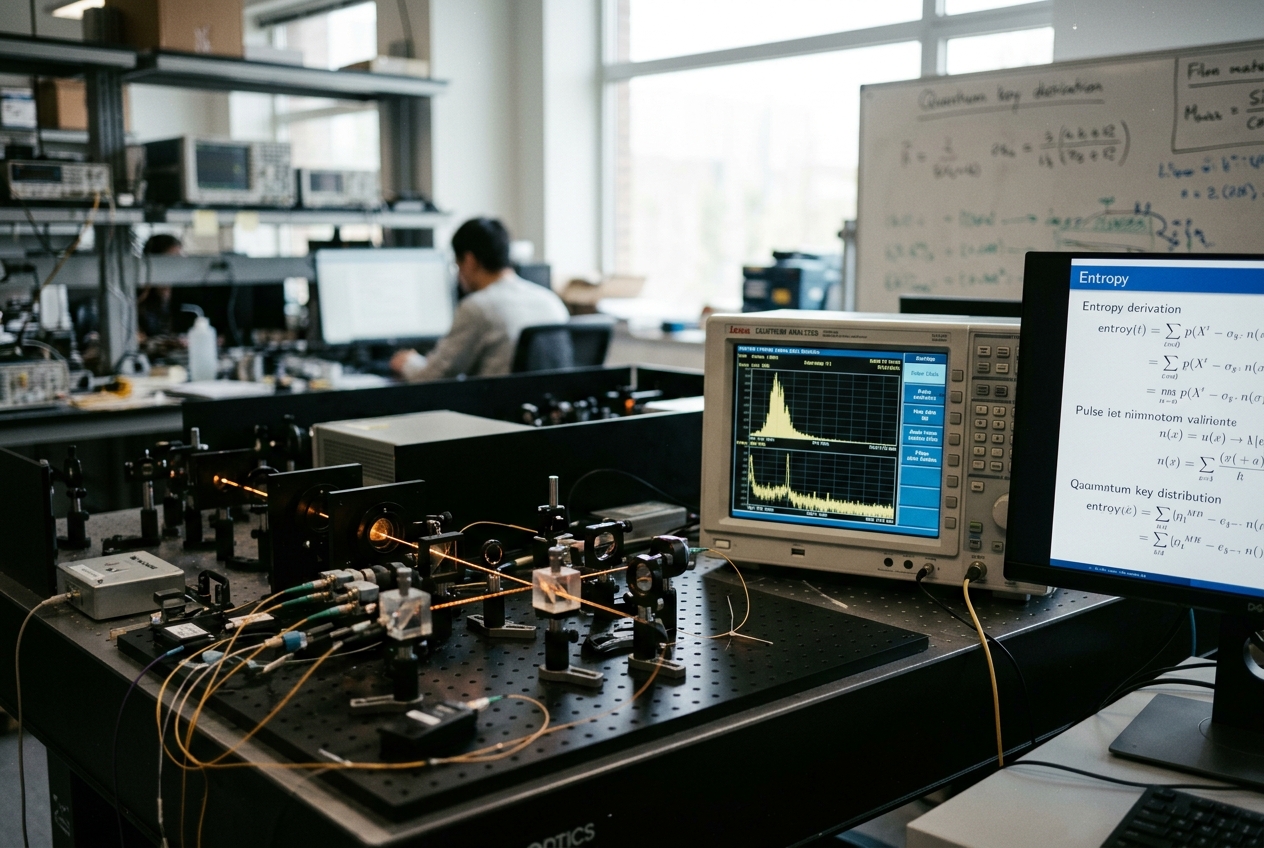
QUANTUM COMPUTING
Smooth Min-Entropy: Establishing One-Shot Information Limits and Finite-Key Security in Quantum Cryptography
QUANTUM INFORMATION THEORY | ESSAY
⚡ 7,749 Tokens • $0.00 Cost
QUANTUM INFORMATION THEORY | ESSAY
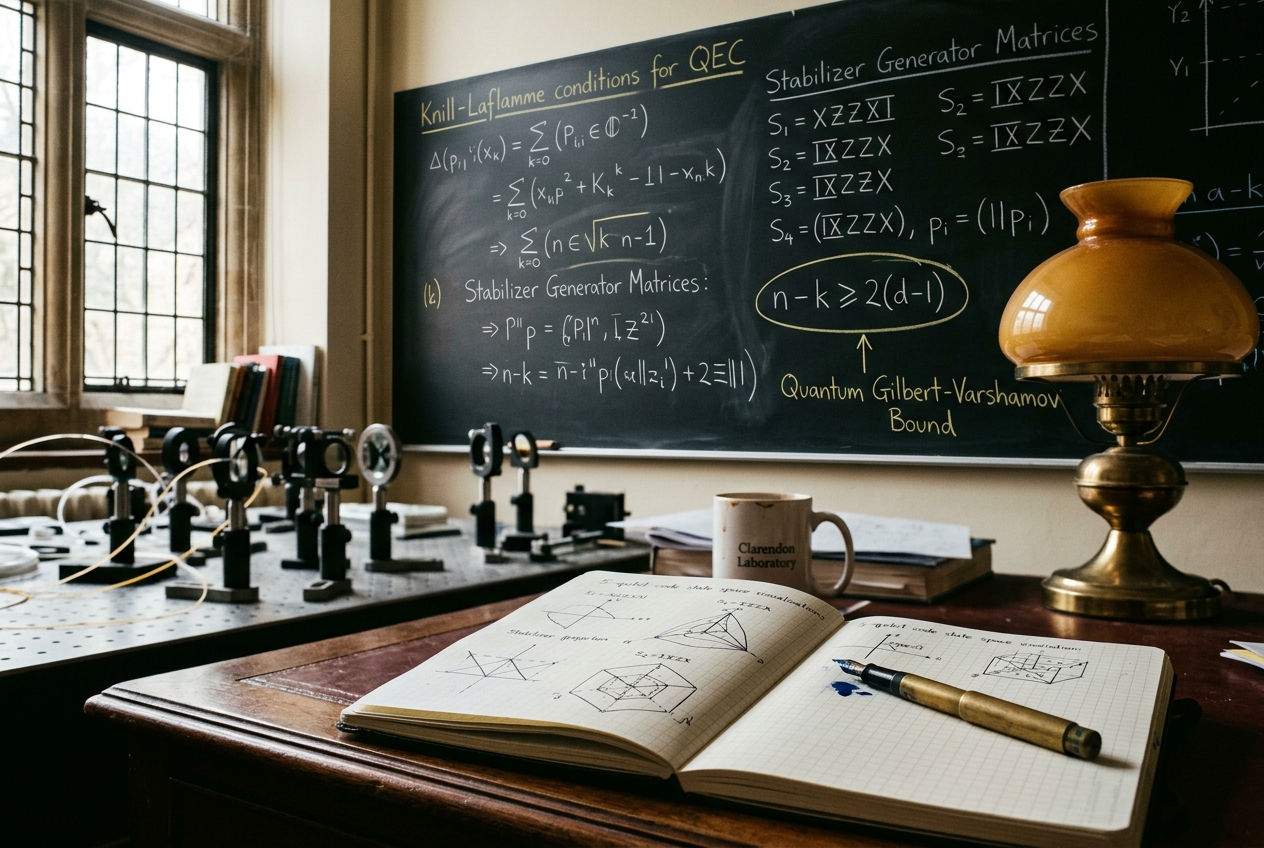
### 1. Opening Hook — Why You Should Care

### When physicists peer into the subatomic realm, observing a system inevitably alters it. But mathematicians have discovered a pristine geometric structure that extracts maximum quantum information with minimal disturbance—a finding that bridges profound algebraic mysteries with the engineering of tomorrow’s quantum supercomputers.

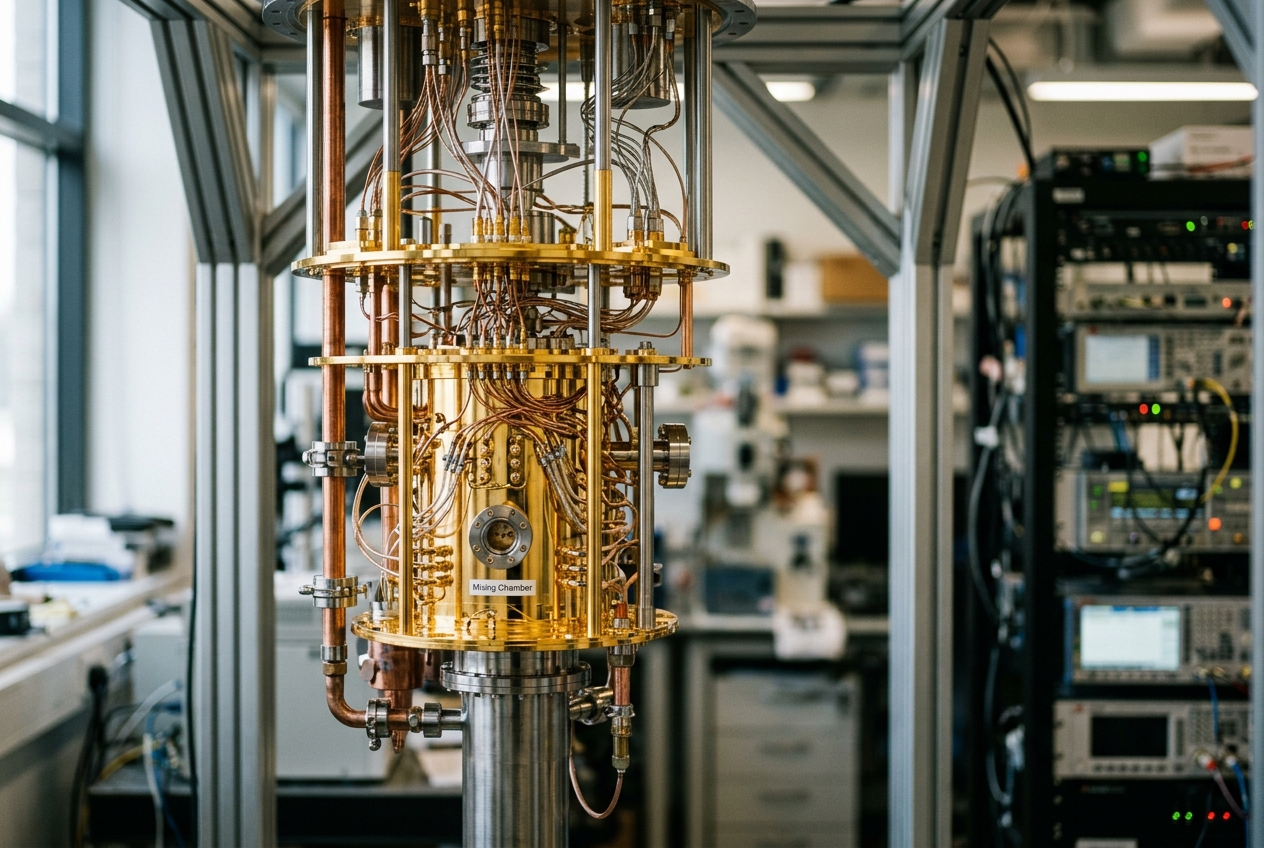
Suppose a courier delivers two sealed titanium boxes to your laboratory. The manufacturer claims that inside each container lies a state-of-the-art quantum processor capable of generating uncrackable cryptographic keys. There is a catch: the vendor is a geopolitical adversary, the internal blueprints are classified proprietary secrets, and opening the chassis will destroy the delicate cryogenic environment within. If you plug these devices into your financial network, how can you know they are truly manipulating subatomic entanglement rather than running a pre-programmed classical algorithm designed to leak your private transactions?
The most ambitious supercomputers on Earth are currently running into a cosmic wall. When pharmaceutical chemists simulate how an experimental cancer drug binds to a protein, or when materials scientists design solid-state batteries that will not degrade in sub-zero winters, they are not merely crunching numbers; they are attempting to recreate physical nature itself. Yet nature is inherently noisy, open, and quantum mechanical. Every chemical bond and every molecular vibration is constantly interacting with its environment, exchanging heat and shedding coherence in a messy, chaotic dance. To replicate even a microscopic fraction of this natural decay on a digital computer requires an impossible amount of computational memory.
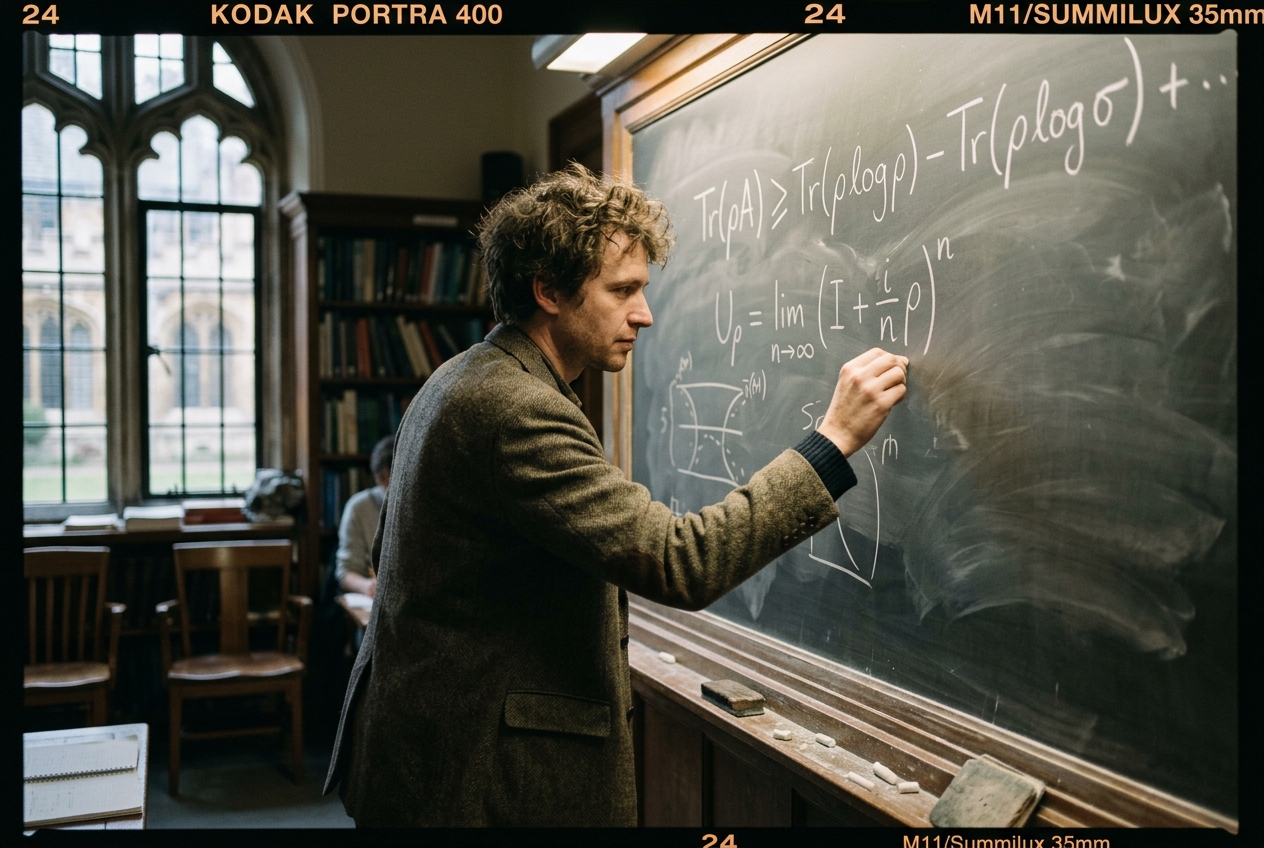
**QUANTUM INFORMATION THEORY** | *In the fragile physics of quantum computing, determining how much two states differ is not merely a statistical exercise—it is the master equation linking error correction, the arrow of time, and the ultimate limits of computation.*
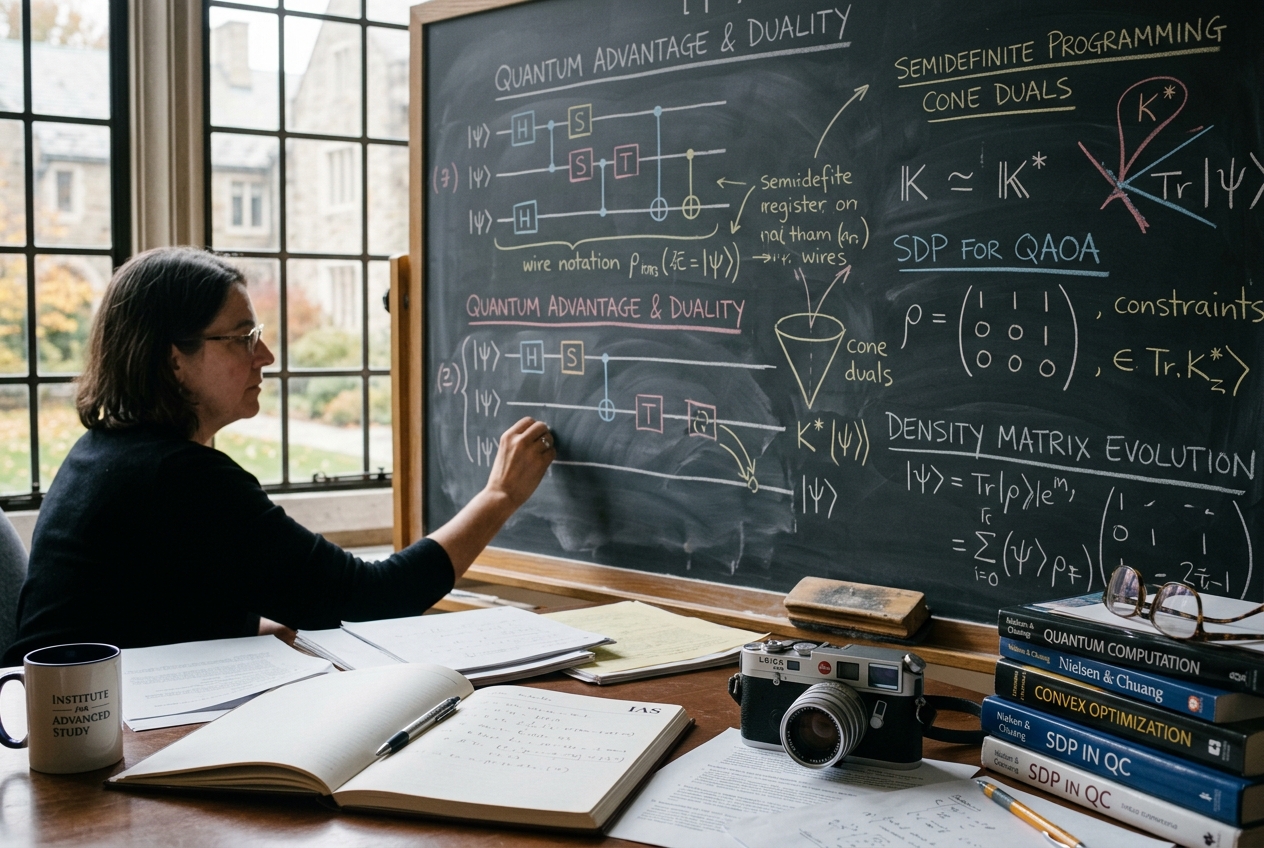
### COMPUTATIONAL COMPLEXITY & THE FRONTIERS OF QUANTUM INFORMATION

*FOUNDATIONS OF PHYSICS | GENERALIZED PROBABILISTIC THEORIES*

# Beyond the Planar Cage: How the Panteleev-Kalachev Theorem Solved Quantum Computing’s Greatest Paradox
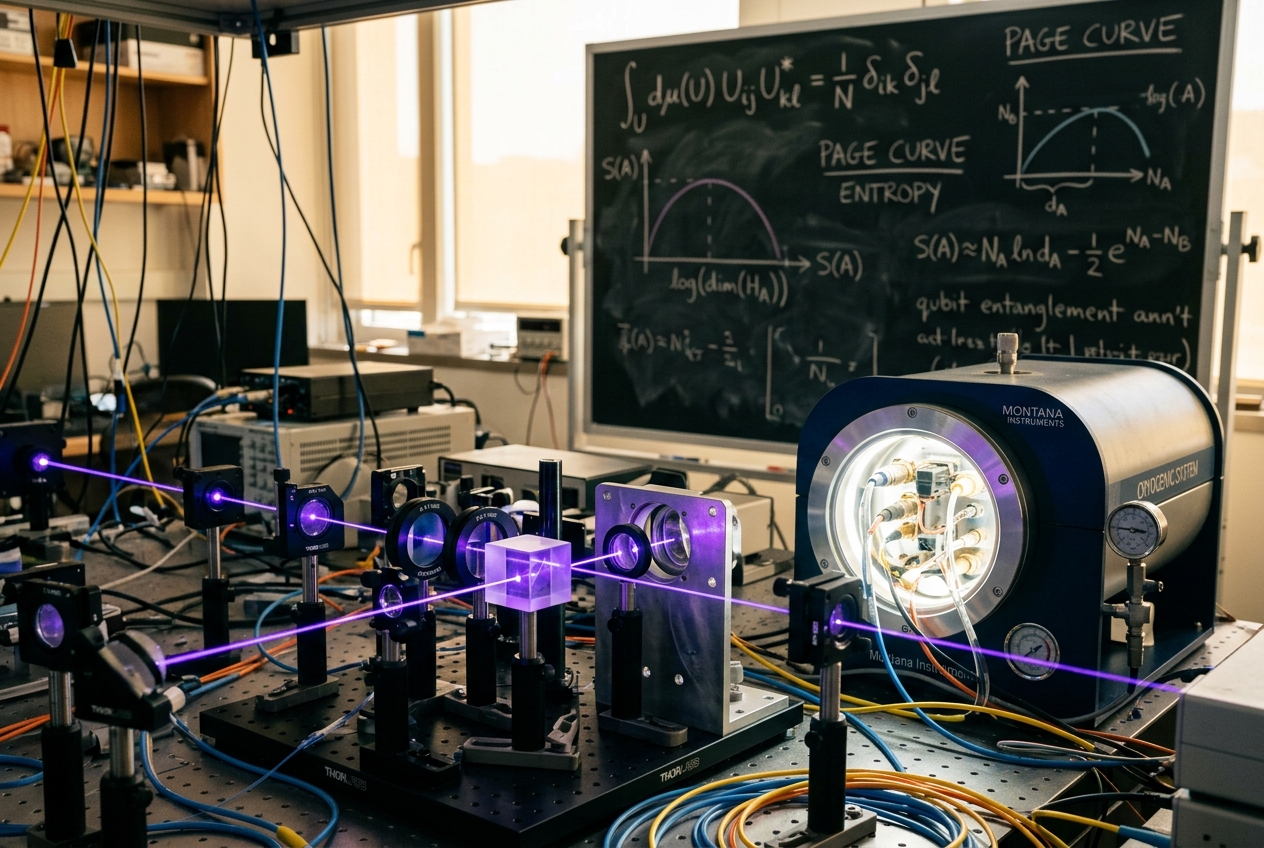
### QUANTUM INFORMATION THEORY & STATISTICAL MECHANICS

### By establishing a mathematical fortress where information dissolves into pure quantum noise, the quantum one-time pad allows fragile superpositions to be encrypted without destroying them—paving the way for untrusted, fully private cloud supercomputing.

### By Dr. Evelyn Vance and the Quantum Information Theory Group

# The Quantum Spiderweb: How Entanglement Shattered the Limits of Computation and Solved a 50-Year Mathematical Mystery
### By Antigravity Cryptographic Intelligence Group
# The Quantum Freeze: How Many-Body Localization Is Breaking the Laws of Thermodynamics to Save Quantum Computing
*QUANTUM THERMODYNAMICS | THE FUNDAMENTAL LIMITS OF COMPUTATION*
## 1. Opening Hook — Why You Should Care
### ASTROPHYSICS & QUANTUM COMPUTATION | THE LONG READ
### By Antigravity Quantum Theory Group
Every digital transaction safeguarding the modern world—from military communications and biometric passports to the cryptographic handshakes securing trillions of dollars across international banking networks—rests upon an implicit assumption: that physical reality is objective, local, and behaves according to unambiguous cause and effect. If you lock a gold coin inside a safe in London, its presence inside that steel vault cannot instantaneously alter the state of an empty safe in Tokyo. If two independent security guards inspect two separate doors, their logical deductions about whether an intruder slipped through must conform to basic Boolean consistency.