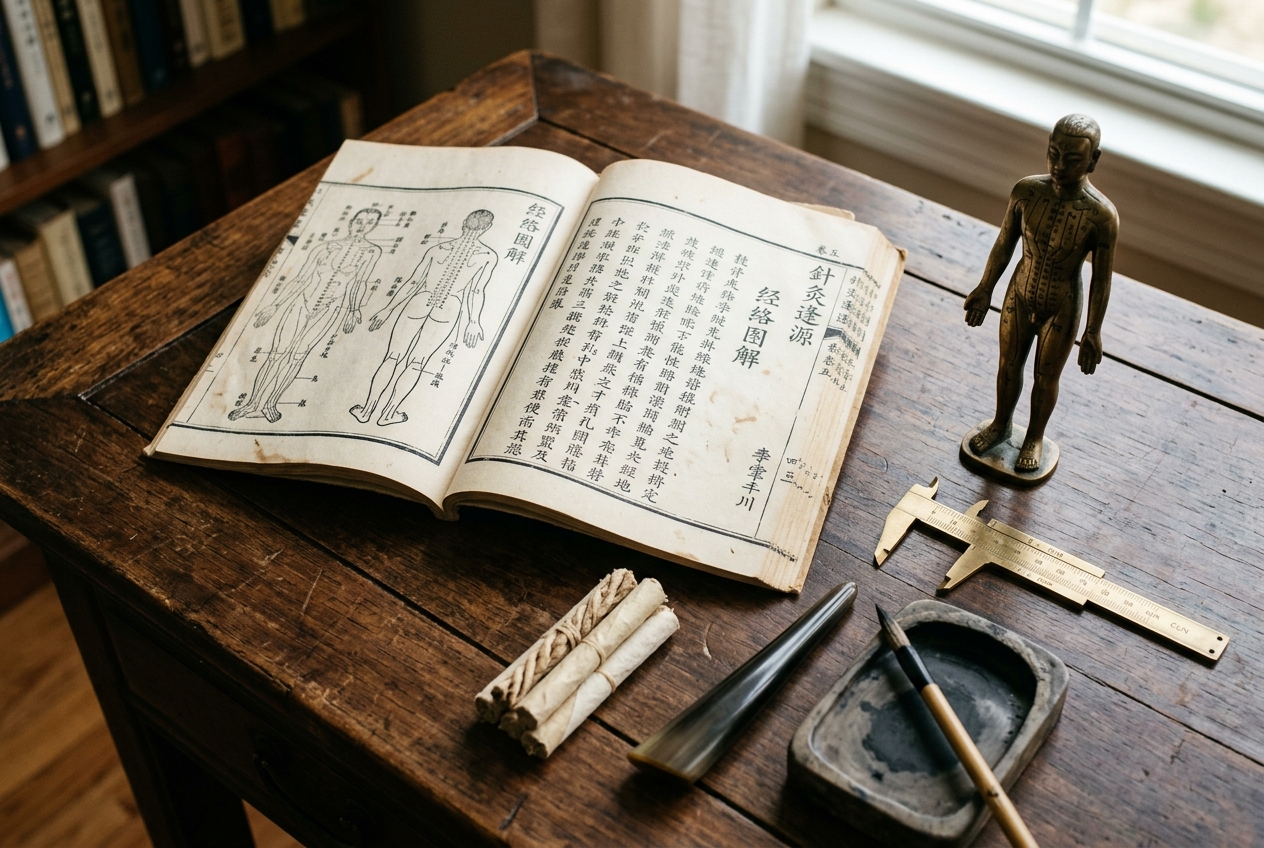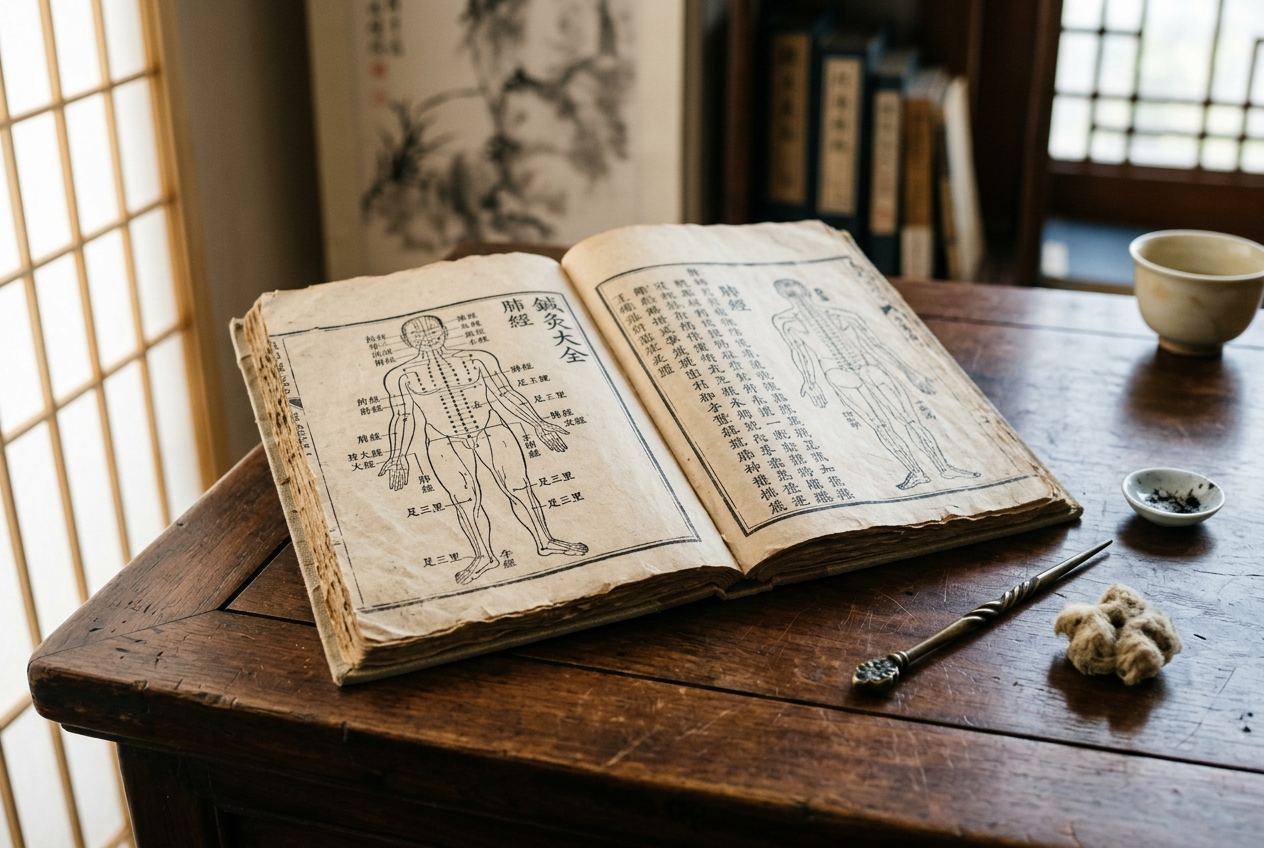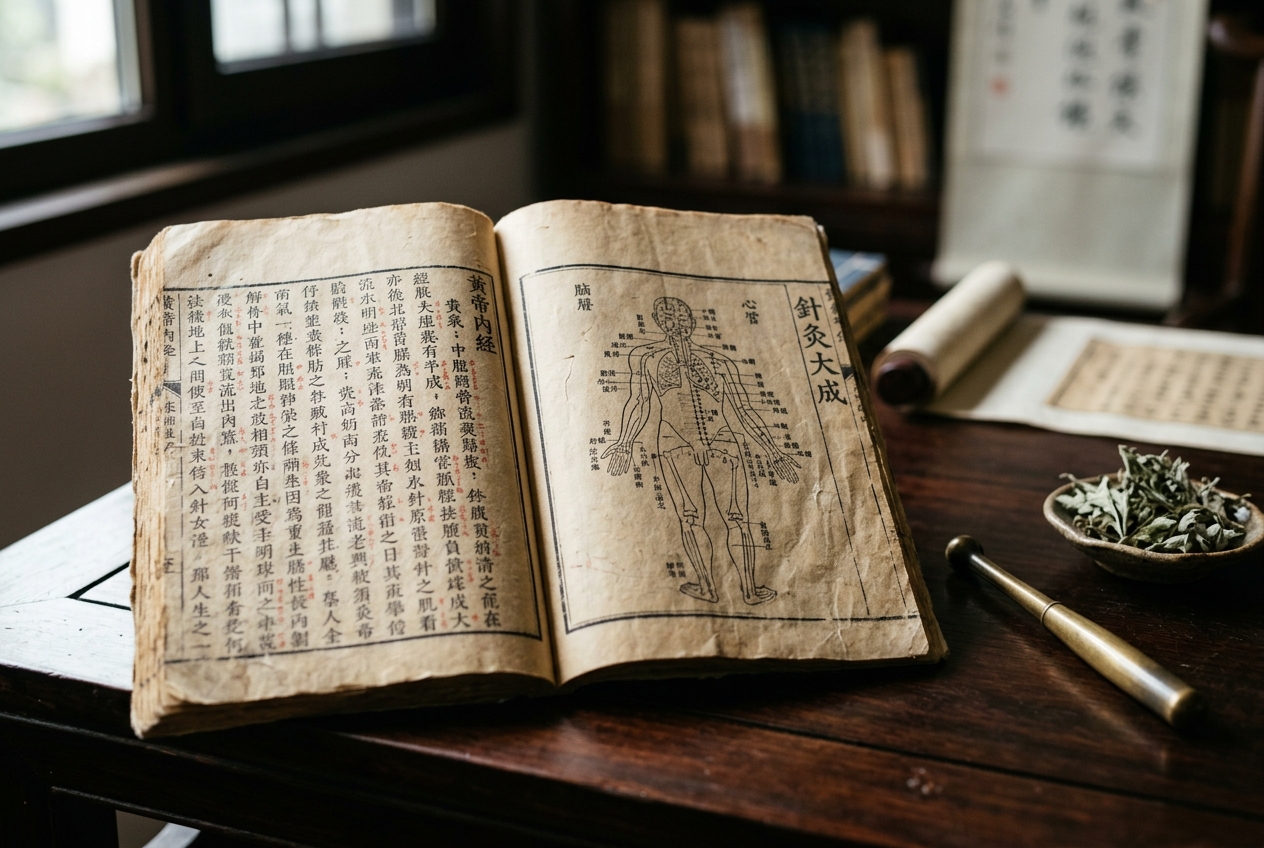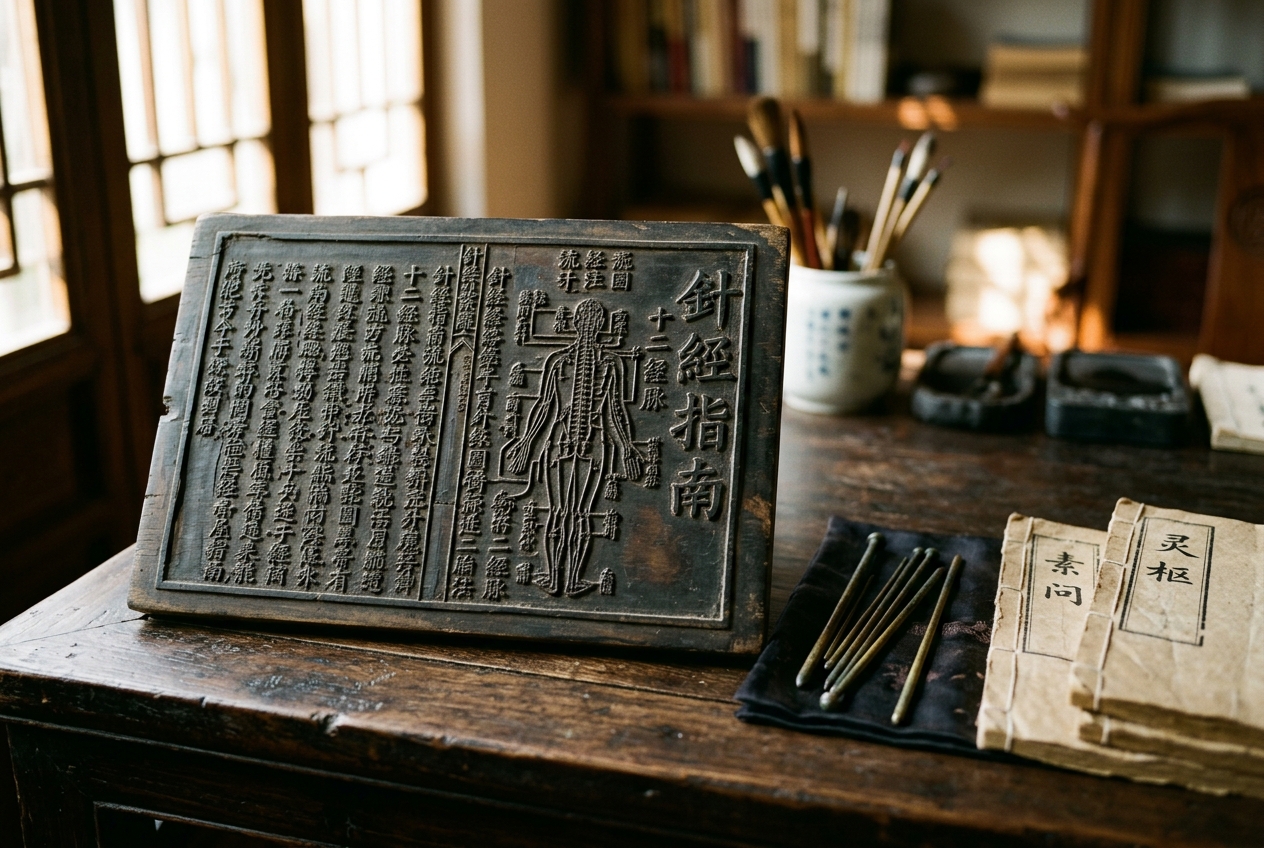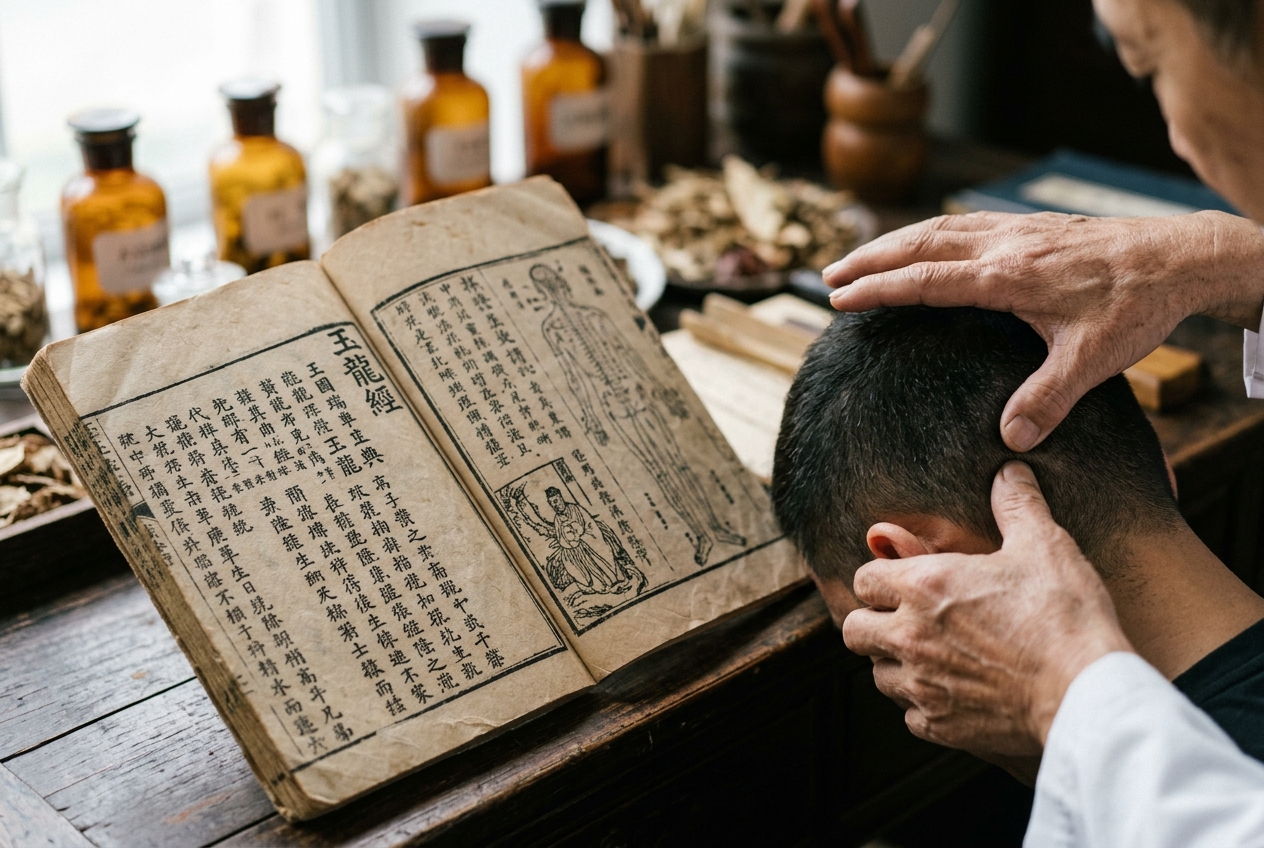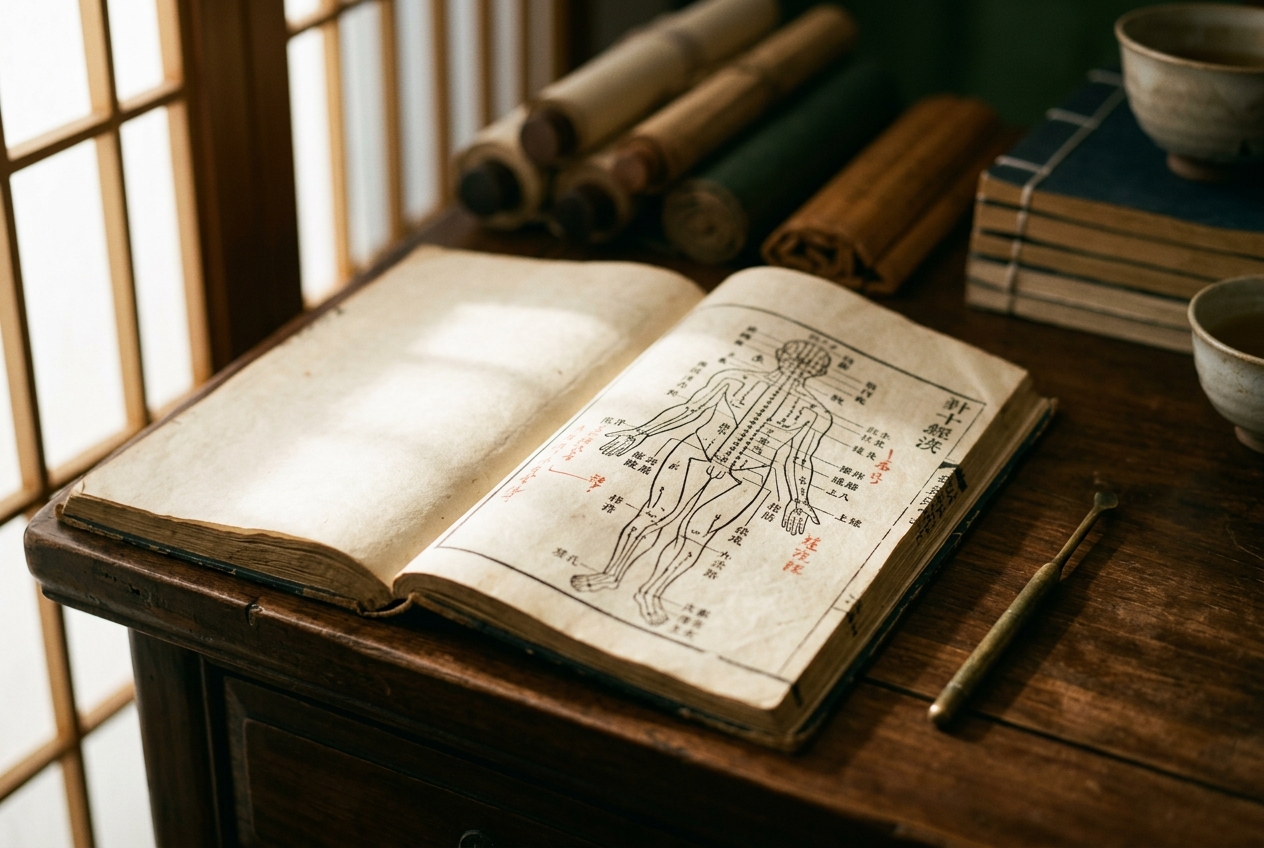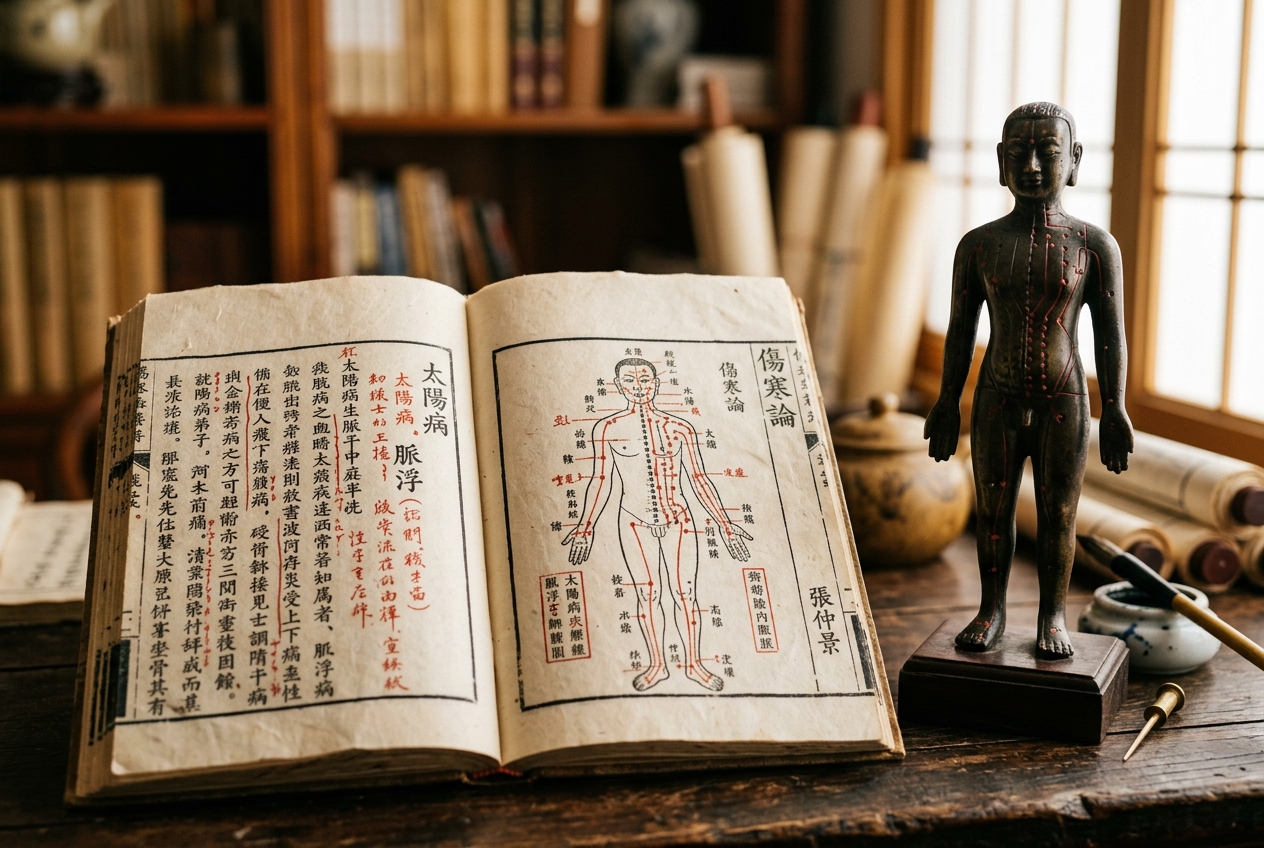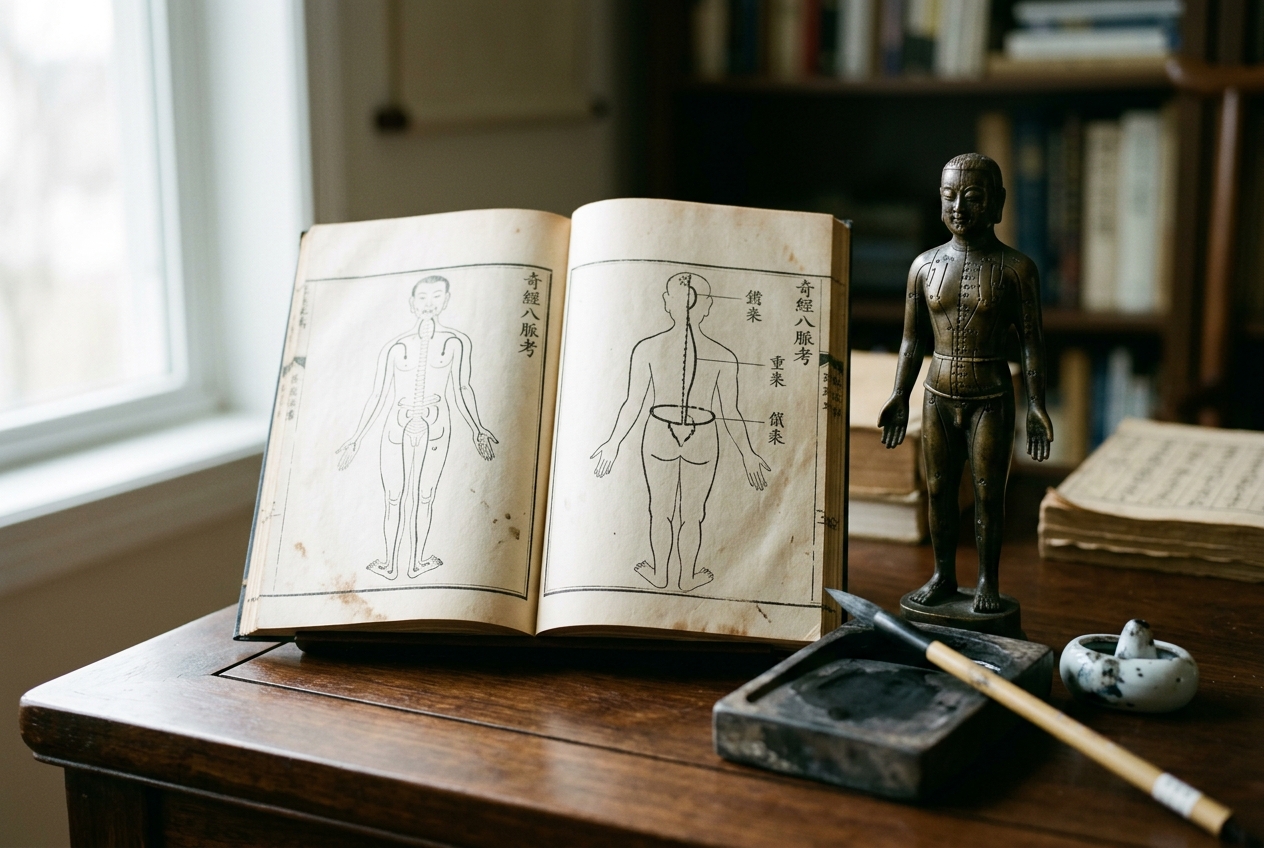
Zhen Jiu Wen Dui: Navigating Wang Ji's Dialectical Channel Inquiries, Point Selection Logic, and Precision Acupressure Protocols
If you find yourself collapsing into your chair at four in the afternoon with a throbbing ache behind your temples, a leaden weight in the pit of your stomach after a rushed lunch, and a persistent, low-humming anxiety that makes deep breathing feel almost inaccessible, you are inhabiting the distinct symptomatic territory of channel disharmony. In modern clinical parlance, we often categorize this state as sympathetic nervous system overdrive, functional dyspepsia, or myofascial strain. Yet five centuries ago, in the walled medical academies of Ming-dynasty China, a revolutionary physician named Wang Ji (汪機, 1463–1539) recognized this exact cluster of physical collapses not as isolated organ failures, but as a dynamic failure of channel circulation.