Zhen Jiu Ju Ying: Navigating Gao Wu's Classical Channel Synthesis, Five-Phase Point Matrices, and Precision Acupressure Protocols
1. Opening — A Problem This Solves Today: The Somatosensory Crisis of Modern Living
If you sit at a desk under fluorescent lights, stare at illuminated glass for eight hours, and finish your day with a tight band of tension around your temples, a persistent knot between your shoulder blades, and a heavy, distended stagnation in your lower abdomen after dinner, you are not simply experiencing ordinary fatigue. You are living through a profound systemic traffic jam across the primary conduits of your nervous and fascial systems. In contemporary biomedical terms, this state represents chronic sympathetic nervous system dominance paired with sensorimotor amnesia and sluggish gastrointestinal motility.
Sixteen centuries of Chinese medical inquiry diagnosed this pattern not as a disparate cluster of isolated symptoms, but as a predictable failure of systemic circulation along the major meridian pathways of the body. When mental overexertion consumes vital energy, the body’s descending physiological currents reverse course: visceral blood flow declines, the diaphragm constricts, digestive peristalsis stalls, and muscular tissue along the neck, jaw, and cranium locks down in defensive contraction.
The human body possesses an innate, exquisitely mapped architecture for discharging this tension and restoring autonomic balance. Long before modern neurobiology documented how mechanical stimulation of connective tissue triggers parasympathetic cascades, traditional physicians developed precise, non-invasive methods to manually clear these systemic blockages.
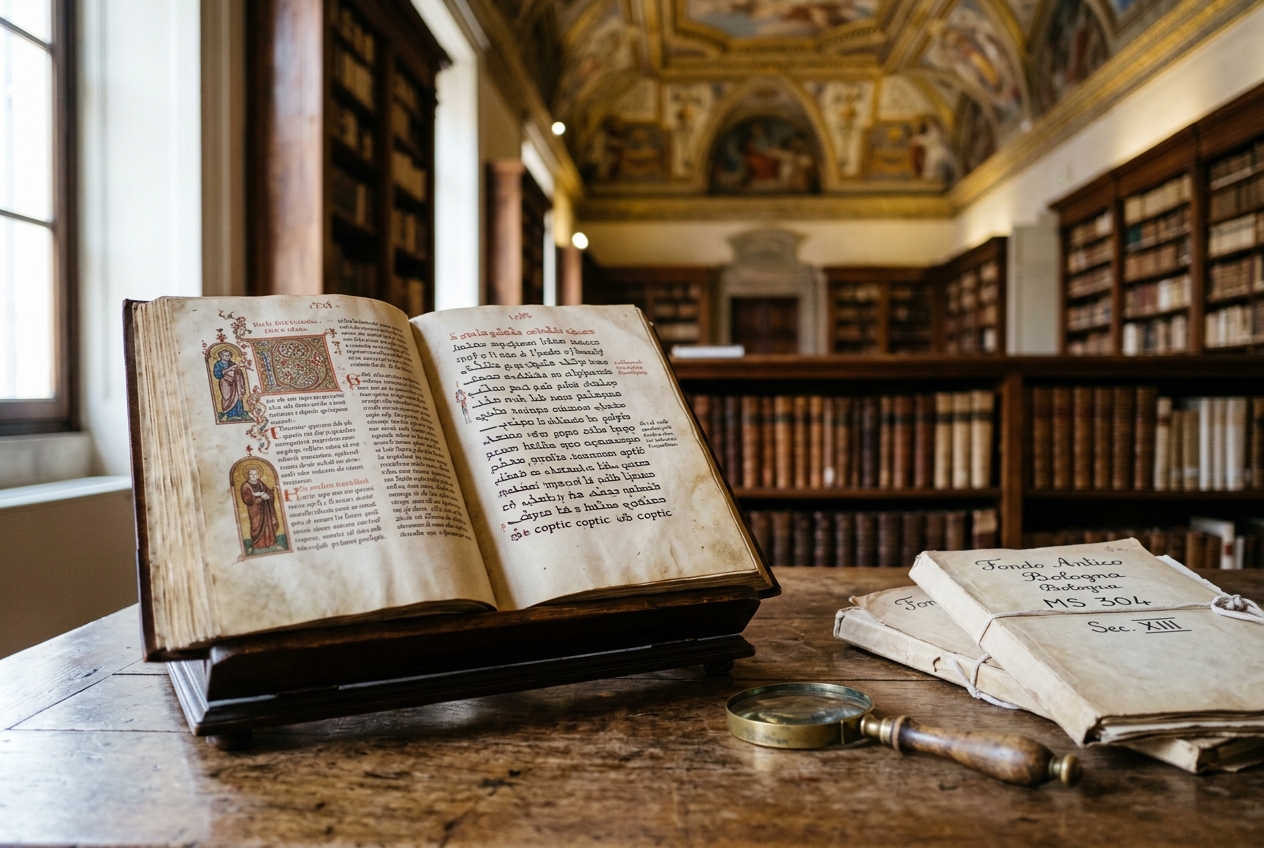
The master key to this somatic cartography was forged during the cultural and intellectual renaissance of the Ming Dynasty by the scholar-physician Gao Wu (高武). In his 1529 CE masterwork, the Zhen Jiu Ju Ying (《针灸聚英》, Collection of Gems in Acupuncture and Moxibustion), Gao Wu achieved what had eluded practitioners for generations: he transformed a fragmented, contradictory, and often bewildering body of ancient medical lore into a unified, mathematically elegant, and clinically reproducible system of healing. Today, his canonical insights offer an empowering, non-invasive toolkit that anyone can apply to relieve daily stress, unbind sluggish digestion, and quiet an overstimulated nervous system.
2. The Meridian Path — A Journey Through the Body: Gao Wu’s Epistemological Synthesis
To understand how pressing a point on the hand or leg can untangle tension in the jaw or settle an upset stomach, one must examine the meridian pathways through the physical landmarks of the living body.
The Living Landscape of the Channels
Rather than abstract energetic lines, the meridians described in classical East Asian medicine correspond to continuous planes of fascia, vascular bundles, and neurofunctional pathways that link distal extremities directly to internal organ systems:
-
The Great Descending Highway (The Yangming Stomach & Large Intestine Circuit): Begin at the soft, fleshy web between the thumb and index finger on your hand. Follow the line up the muscular ridge of your forearm, over the crest of the shoulder, and up into the corner of the jaw and cheek. From beneath the eye, this pathway plunges downward across the throat, tracks down the vertical planes of the chest and abdomen along the rectus sheath, slides down the outer front edge of the thigh, passes across the soft groove just outside the shinbone—the spot that aches after a day of continuous walking—and terminates at the tip of the second toe. This is the body’s primary grounding and digestive conduit; when activated, it pulls trapped tension out of the head and drives visceral motility downward.
-
The Ascending Calming Tributary (The Taiyin & Jueyin Spleen, Liver, and Pericardium Pathways): Trace upward from the inner edge of the big toe and the hollow just forward of the inner ankle bone. Move up along the soft, tender inner border of the lower leg bone, past the inner curve of the knee, and up the inner thigh into the lower pelvis and lateral ribcage. From the chest, this restorative river extends down the midline of the inner arm, between two prominent, cord-like tendons on the inside of the forearm, and empties into the center of the palm. This pathway governs autonomic recovery, blood storage, and emotional settling.
Gao Wu’s Scholarly Breakthrough
When Gao Wu set out to compile the Zhen Jiu Ju Ying in the early sixteenth century, Chinese clinical medicine was grappling with profound fragmentation. For centuries, practitioners had relied on disparate, often conflicting authorities: * The ancient foundational texts of the Huangdi Neijing (Yellow Emperor’s Inner Classic, c. 1st century BCE) * The theoretical, pulse-oriented frameworks of the Nan Jing (Classic of Difficult Issues) * The anatomical bronze statue standards of Wang Weiyi’s 1026 CE Tong Ren Shu Xue Zhen Jiu Tu Jing * Hua Shou’s 1341 CE channel treatise, the Shi Si Jing Fa Hui (Elucidation of the Fourteen Channels)
Physicians routinely argued over contradictory point locations, divergent channel depths, and competing diagnostic paradigms. Gao Wu approached this crisis with the rigorous methodology of a classical textual critic. He gathered every major historical manuscript, compared their discrepancies side by side, and discarded speculative theories that failed to hold up during hands-on clinical palpation.
Furthermore, Gao Wu recognized that clinical knowledge survived best through mnemonic oral traditions. He systematically curated and annotated the most celebrated clinical odes of antiquity, including the Bai Zheng Fu (百症赋, Ode of a Hundred Diseases) and the Xi Hong Fu (席弘赋, Ode of Xi Hong), preserving their clinical formulas within a rigorous anatomical architecture.
Crucially, Gao Wu perfected the clinical application of the Five Shu Transport Points (Wu Shu Xue). By categorizing the distal points of each channel from the fingertips and toes to the elbows and knees through the dynamic metaphors of water—Jing-Well (where Qi bubbles forth), Ying-Spring (where Qi glides rapidly), Shu-Stream (where Qi pours and deepens), Jing-River (where Qi flows broadly), and He-Sea (where Qi plunges into the interior organs)—Gao Wu provided a systematic formula for point prescription.
He applied the generation (Sheng) and control (Ke) cycles of Five-Phase theory to create self-regulating clinical equations: if an organ system was depleted, one nourished its energetic "mother" point; if hyperactive and inflamed, one sedated its "child" point. This analytical rigor turned point selection from intuitive guesswork into an exact, reproducible clinical science.
3. Five Key Points You Can Press Right Now: Gao Wu’s Essential Loci
Modern clinical trials and neuroimaging studies, indexed in databases like NCBI PubMed Central, show that sustained acupressure on classical distal loci stimulates myelinated nerve fibers, deactivates hyperactive limbic regions, and modulates fascial connective planes. Here are five of Gao Wu’s most vital points, located using clear bodily landmarks.
A. Zusanli (ST36 — "Leg Three Miles")
The Supreme Energizer and Visceral Stabilizer
- Where to Find It: Sit comfortably with your knees bent at a ninety-degree angle. Place the palm of your right hand flat over your right kneecap. Spread your fingers naturally downward along your shinbone. The point lies roughly four finger-widths beneath the base of your kneecap, and one finger-width outward (toward the outside of your leg) from the sharp edge of your shinbone. You will feel a small, natural muscular notch in the tibialis anterior muscle.
- The Sensation (De Qi): When accurately engaged, you will not feel a sharp skin pinch, but rather a profound, dull, spreading ache that often sends a warm, tingling wave down the outside of your shin toward your ankle.
- How to Apply Pressure: Using your thumb tip or the middle knuckle, apply firm, perpendicular pressure directed slightly inward toward the center of your leg bone. Maintain steady pressure with small, rhythmic, clockwise circular micro-kneadings for two to three minutes.
- Modern Daily Benefits: Dramatically reduces post-meal bloating and acid reflux, relieves general systemic fatigue, and calms chronic lower-body heaviness.
B. Hegu (LI4 — "Joining Valley")
The Master Switch for Head, Neck, and Stress Relief
- Where to Find It: Look at the back of your hand. Bring your thumb tight against the side of your index finger; notice the prominent mound of muscle that rises in the webbing between them. Now relax your hand. Place your opposite thumb on the highest point of that muscular mound, angled slightly toward the bone of your index finger.
- The Sensation (De Qi): An unmistakable, intensely grounding, radiating soreness that travels upward along your wrist and forearm, often creating an immediate sensation of space across your sinuses and forehead.
- How to Apply Pressure: Direct your pressure not straight down into the web, but angled directly against the long bone of the index finger (the second metacarpal). Apply firm, steady compression for 90 seconds while breathing slowly and deeply.
- Modern Daily Benefits: Clears front-of-head tension and migraines, eases jaw clenching and tooth grinding (bruxism), and discharges accumulated workday anxiety.
C. Taichong (LV3 — "Great Surge")
The Pressure Valve for Frustration, Eye Strain, and Inner Agitation
- Where to Find It: Look at the top of your bare foot. Find the webbing between your big toe and second toe. Slide your finger backward along the top of your foot toward your ankle, moving along the groove between the two long bones until your finger drops into a distinct, sensitive depression just before the bones meet in a "V" shape.
- The Sensation (De Qi): A deep, spreading, bruised tenderness that instantly vents upwardly trapped heat and tension.
- How to Apply Pressure: Press firmly downward and slightly toward your ankle joint using the tip of your thumb. Maintain firm, steady pressure for two minutes per foot, softening your jaw and shoulders as you exhale.
- Modern Daily Benefits: Softens screen-induced eye strain, alleviates irritability and mental frustration, and balances irregular, tense sleep patterns.
D. Sanyinjiao (SP6 — "Three Yin Intersection")
The Deep Fountain of Hormonal and Lower-Body Harmony
- Where to Find It: Place the pinky finger of your four-finger flat hand against the highest point of your inner ankle bone (medial malleolus), fingers held flat across your lower leg. The point sits exactly four finger-widths above that ankle peak, resting in the soft, tender depression directly behind the rear edge of your inner shinbone.
- The Sensation (De Qi): A delicate, deep ache that resonates upward along the inner leg, producing a warm, grounding somatic release throughout the pelvis.
- How to Apply Pressure: Hook your thumb behind the shinbone and press firmly inward toward the bone's back surface. Hold with continuous, calm, non-bouncing pressure for two minutes on each leg.
- Modern Daily Benefits: Eases pelvic and menstrual discomfort, alleviates evening foot and ankle swelling, and settles nighttime racing thoughts.
E. Neiguan (PC6 — "Inner Pass")
The Emotional Anchor and Parasympathetic Pacemaker
- Where to Find It: Turn your hand palm-side up. Place the three middle fingers of your opposite hand across your inner wrist crease, with your ring finger aligned directly over the crease. Your index finger now marks the distance. Clench your fist slightly and flex your wrist inward to make two prominent, cord-like tendons stand out in the center of your forearm. The point lies centered directly between these two tendons, just below your index finger.
- The Sensation (De Qi): A gentle, expansive, electrical numbness that tracks along the midline of the inner forearm into the palm, often prompting an involuntary deep sigh or diaphragm release.
- How to Apply Pressure: Press your thumb pad deeply between the two tendons, angling slightly upward toward your elbow. Hold with calm, firm pressure for two to three minutes while maintaining deep abdominal breathing.
- Modern Daily Benefits: Rapidly halts nausea and motion sickness, slows a racing stress-induced pulse, and expands constricted breathing patterns.
4. A Point Combination for One Common Issue: The Nocturnal Autonomic & Digestive Reset Protocol
When chronic mental stress combines with evening overeating and screen exposure, the body enters a state of autonomic confusion: the mind remains wired, the eyes burn, the neck stiffens, and the digestive organs grind to a complete halt.
Gao Wu solved this systemic disharmony by pairing the celebrated Four Gates (Si Guan—the bilateral combination of Large Intestine 4 and Liver 3) with the grounding anchors of Stomach 36 and Pericardium 6. In classical Chinese medical literature, this combination opens all sensory portals, unbinds stagnated Liver Qi, and restores smooth downward digestive peristalsis.
The Step-by-Step Evening Ritual
Set aside ten minutes before sleep. Dim the overhead lighting, sit comfortably in bed or on a firm mat with your back supported, and follow this sequence:
-
Step 1: Unbinding the Upper Sensors (Hegu / LI4): Begin with your left hand. Use your right thumb to apply deep, circular kneading to LI4 for 60 seconds, angling the force against the index metacarpal bone. Switch hands and repeat for 60 seconds on the right. Focus on releasing all tension held in your jaw, tongue, and forehead.
-
Step 2: Venting the Nervous Surge (Taichong / LV3): Slide your thumbs into the soft depressions of LV3 on the tops of both feet simultaneously. Press firmly downward and back toward your ankles. Close your eyes, take four deep breaths, and hold steady pressure for 60 to 90 seconds. Feel the heat and tension draining out of your head and chest down into the earth.
-
Step 3: Activating the Visceral Hearth (Zusanli / ST36): Place both thumbs or knuckles on your ST36 points below the knees. Lean your torso slightly forward to use your upper body weight to apply firm, steady perpendicular pressure. Maintain this deep pressure for two full minutes on both legs. You will likely feel your stomach gurgle or your breathing shift into your lower belly—a clear sign that parasympathetic peristalsis has resumed.
-
Step 4: Calming the Heart and Mind (Neiguan / PC6): Finish by resting your left arm on your lap. Press your right thumb into PC6 between the forearm tendons. Maintain gentle, steady pressure for 60 seconds while taking slow, four-second inhales and six-second exhales. Switch to the opposite arm and repeat for 60 seconds. You are now prepared for deep, restorative sleep.
5. Safety & Sense: Clinical Boundaries, Tissue Feedback, and Red Flags
Acupressure is among the safest self-care modalities available, but its clinical power requires discernment, respect for anatomy, and attention to physiological feedback.
Navigating Sensations: The Mark of De Qi
When you press an acupressure point, you are aiming to elicit the classical sensation of De Qi (得气, "the arrival of vital energy"). Modern research into neuroimaging of acupuncture on PubMed demonstrates that this sensation correlates with the mechanical deformation of collagen fibers and the stimulation of unmyelinated C-fibers and A-delta fibers, leading to downstream endocrine and neurological modulation. * True De Qi feels like: A satisfying, heavy ache, a dull pressure, a spreading fullness, or a gentle, warm tingling along the limb. * Tissue Distress feels like: A sharp, burning sting, piercing pain, or superficial bruising. If you encounter sharp pain, you are likely pinching a cutaneous nerve against bone; gently shift your angle by a few millimeters and ease your pressure.
Absolute Contraindications
- Pregnancy Cautions: Points that strongly mobilize downward physiological currents—most notably Hegu (LI4) and Sanyinjiao (SP6)—are strictly contraindicated during pregnancy, as they have been used historically to stimulate labor and may trigger uterine contractions.
- Local Tissue Damage: Never apply deep pressure over broken skin, open wounds, active infections, severe varicose veins, deep-vein thrombosis sites, or acute bone fractures.
- When to Seek Immediate Medical Attention: Self-care acupressure is designed for functional, stress-related, and lifestyle imbalances. It is not an alternative to emergency medical care. If you experience sudden, severe "thunderclap" headaches, crushing chest pain radiating to the jaw or left arm, acute abdominal rigidity, or unexplained neurological deficits, consult a licensed medical physician immediately. For comprehensive clinical guidelines on traditional medicine modalities, consult the World Health Organization Benchmark for Acupuncture and the overarching WHO Traditional Medicine Strategy.
6. Today's Takeaway: The Two-Minute Reset You Can Do Right Now
You do not need to wait until bedtime to experience the physiological benefits of Gao Wu’s synthesis. You can perform this immediate two-minute reset right now before closing this page:
By taking these two minutes, you step into a lineage of self-care refined nearly five centuries ago by Gao Wu. The meridian system is not an abstract historical relic; it is an active, responsive map of your living anatomy. When you learn to read and stimulate its pathways, you regain direct control over your own autonomic health, turning everyday stress into restored vitality.