Powernews Section Archive

TCM Qigong & Energy Movement Archive

Page 4 of 11
Shenshu Cavity Kidney Shu: Thoracolumbar Fascial Decompression, Renal Essence Consolidation, and Posterior Kinetic Axis Integration in Classical Neigong
TCM QIGONG & ENERGY MOVEMENT

Shenshu Cavity Kidney Shu: Thoracolumbar Fascial Decompression, Renal Essence Consolidation, and Posterior Kinetic Axis Integration in Classical Neigong

To understand the transformative power of this cavity, one must first strip away both esoteric mystification and reductive oversimplification. In everyday terms, modern bipedal life—characterized by prolonged sedentary sitting interspersed with high-stress forward-leaning postures—creates a chronic mechanical pinch in the lower back. The natural inward curve of the lumbar spine (lumbar lordosis) becomes hyper-compressed, locking the surrounding muscular sheaths into a state of sustained ischemia and preventing the diaphragm from descending fully during respiration.

⚡ 6,522 Tokens • $0.00 Cost
Shenmen Cavity Spirit Gate: Ulnar Carpal Fascial Decompression, Cardiopulmonary Shen Tranquilization, and Autonomic Vagal Entrainment in Classical Neigong
TCM QIGONG & ENERGY MOVEMENT

Shenmen Cavity Spirit Gate: Ulnar Carpal Fascial Decompression, Cardiopulmonary Shen Tranquilization, and Autonomic Vagal Entrainment in Classical Neigong

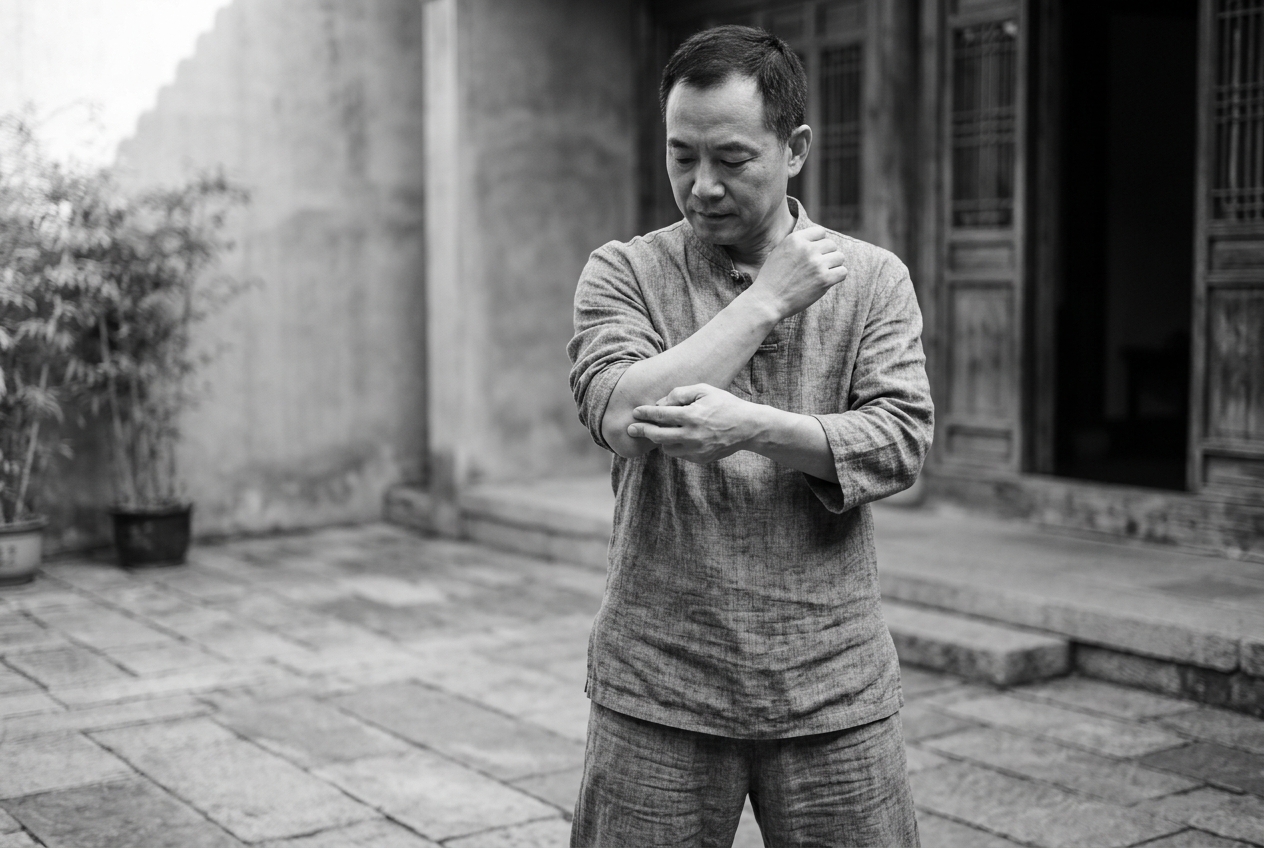
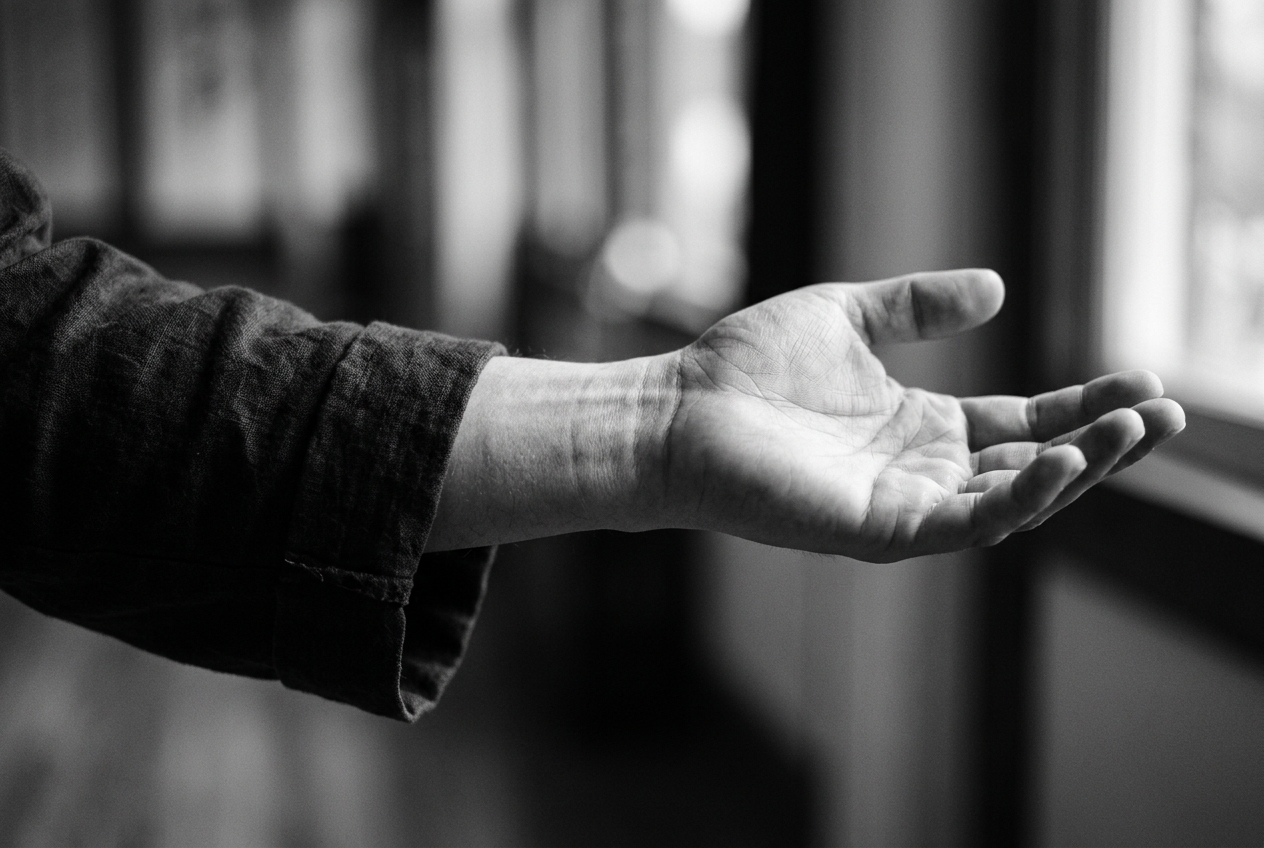
Extend your left arm in front of you at chest height, turn the palm upward toward the sky, and gently let the wrist soften. With the thumb of your right hand, trace the soft skin of your inner forearm down to the crease where your wrist meets your hand. Slide your thumb toward the outside edge—the pinky-finger side—until you feel a firm, cord-like tendon standing out beneath the skin. Just to the thumb-side of that tendon, nestled in the subtle dip right above the small, pebble-shaped wrist bone, press gently and pause. Take a slow, diaphragmatic breath in through your nose, letting your belly expand, and exhale smoothly while relaxing your shoulders and unclenching your jaw. Within three or four breaths, you may notice a faint pulse, a gentle sensation of spreading warmth, or a quiet descending weight traveling from your chest down into your palm. That small, anatomical hollow beneath your thumb is where internal martial artists, Daoist meditators, and classical physicians have focused their awareness for over two millennia.

⚡ 9,607 Tokens • $0.00 Cost
Shenmai Cavity Extending Vessel: Lateral Sub-Malleolar Fascial Decompression, Yang Qiao Mai Activation, and Distal Kinetic Vectoring in Classical Neigong
TCM QIGONG & ENERGY MOVEMENT

Shenmai Cavity Extending Vessel: Lateral Sub-Malleolar Fascial Decompression, Yang Qiao Mai Activation, and Distal Kinetic Vectoring in Classical Neigong

In the classical traditions of Chinese medicine and internal martial arts (*Neigong*), this exact anatomical hollow is known as **Shenmai** (申脈, designated in contemporary acupuncture nomenclature as **BL62**), which translates poetically and functionally as the "Extending Vessel" or "Relaxing Pulse." To understand what Shenmai is in plain terms, imagine the human body as a living suspension bridge. When the cables at the outer base of the heels are clamped shut or torqued unevenly, the entire central tower—the spine, the neck, and the skull—is pulled into chronic strain.

⚡ 5,812 Tokens • $0.00 Cost
Sanjiaoshu Cavity Triple Burner Shu: Upper Lumbar Fascial Decompression, Interstitial Water Pathway Regulation, and Axial Kinetic Integration in Classical Neigong
TCM QIGONG & ENERGY MOVEMENT

Sanjiaoshu Cavity Triple Burner Shu: Upper Lumbar Fascial Decompression, Interstitial Water Pathway Regulation, and Axial Kinetic Integration in Classical Neigong

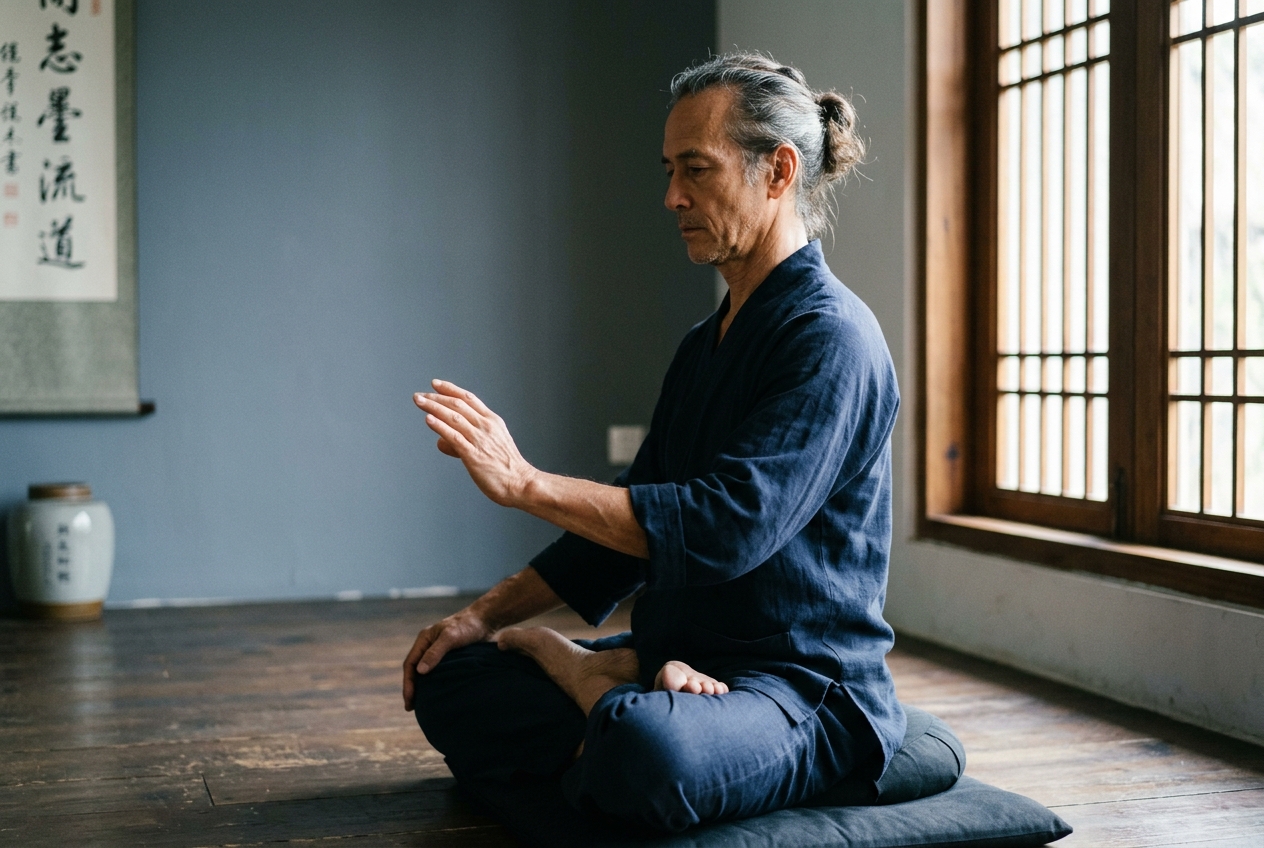
To access and mobilize the deeper fascial and energetic architecture of *Sanjiaoshu*, one must integrate precise postural geometry with somatosensory attentiveness (*Yi Dao Qi Dao*, 意到气到—where intention goes, vitality follows). Perform the following sequence in a quiet, draft-free space, ideally while standing on a firm, non-slippery surface.

⚡ 7,359 Tokens • $0.00 Cost
Riyue Cavity Sun and Moon: Seventh Intercostal Fascial Decompression, Gallbladder Mu Dynamics, and Lateral Kinetic Tensegrity in Classical Neigong
TCM QIGONG & ENERGY MOVEMENT

Riyue Cavity Sun and Moon: Seventh Intercostal Fascial Decompression, Gallbladder Mu Dynamics, and Lateral Kinetic Tensegrity in Classical Neigong

At its core, this practice is a method of conscious breathing and gentle movement designed to release chronic tension locked within your lower ribcage and side-body. In everyday life, prolonged sitting, shallow breathing, and emotional stress cause the muscles between our ribs and along our flanks to tighten, compressing our internal organs and restricting the diaphragm’s natural downward glide. By bringing focused awareness, hands-on touch, and circular micro-movements to a specific pressure point located just beneath the seventh rib, we restore elastic freedom to the breathing apparatus, improve digestive ease, and cultivate a deep sense of full-body integration.

⚡ 7,416 Tokens • $0.00 Cost
Quchi Cavity Pool at the Crook: Lateral Cubital Fascial Decompression, Radial Recurrent Vasculature Perfusion, and Upper-Limb Kinetic Vectoring in Classical Neigong
TCM QIGONG & ENERGY MOVEMENT

Quchi Cavity Pool at the Crook: Lateral Cubital Fascial Decompression, Radial Recurrent Vasculature Perfusion, and Upper-Limb Kinetic Vectoring in Classical Neigong

At its most fundamental level, this cultivation is an accessible method of opening the joint spaces of the upper limbs to release trapped tension, optimize circulation, and build effortless physical power. Rather than relying on muscular clenching or rigid posturing, the practitioner uses gentle alignment, diaphragmatic breath, and focused spatial awareness to widen the structural pocket at the outer elbow.

⚡ 5,743 Tokens • $0.00 Cost
Qihai Cavity Sea of Qi: Infraumbilical Fascial Decompression, Lower Dantian Yuan Qi Consolidation, and Hypogastric Kinetic Anchoring in Classical Neigong
TCM QIGONG & ENERGY MOVEMENT

Qihai Cavity Sea of Qi: Infraumbilical Fascial Decompression, Lower Dantian Yuan Qi Consolidation, and Hypogastric Kinetic Anchoring in Classical Neigong

In the classical traditions of Daoist internal cultivation (*Neigong*), somatic movement therapy (*Daoyin*), and [Traditional Chinese Medicine](https://www.who.int/health-topics/traditional-complementary-and-integrative-medicine), Qihai (transcribed as Ren 6 or CV6, "Conception Vessel 6") is revered not merely as an acupuncture point, but as the master hydro-fascial nexus of the human organism. In plain English, working with Qihai means directing your breath, somatic attention, and movement into the deep fascial tissue bed two finger-widths beneath the navel, transforming a habitually tight lower abdomen into an elastic, pressurized reservoir for physiological vitality.

⚡ 7,820 Tokens • $0.00 Cost
Pu Bu Crouching Stance Qigong: Deep Coxofemoral Abduction, Adductor Fascial Elongation, and Asymmetric Ground Reaction Vectoring in Classical Daoyin
TCM QIGONG & ENERGY MOVEMENT

Pu Bu Crouching Stance Qigong: Deep Coxofemoral Abduction, Adductor Fascial Elongation, and Asymmetric Ground Reaction Vectoring in Classical Daoyin

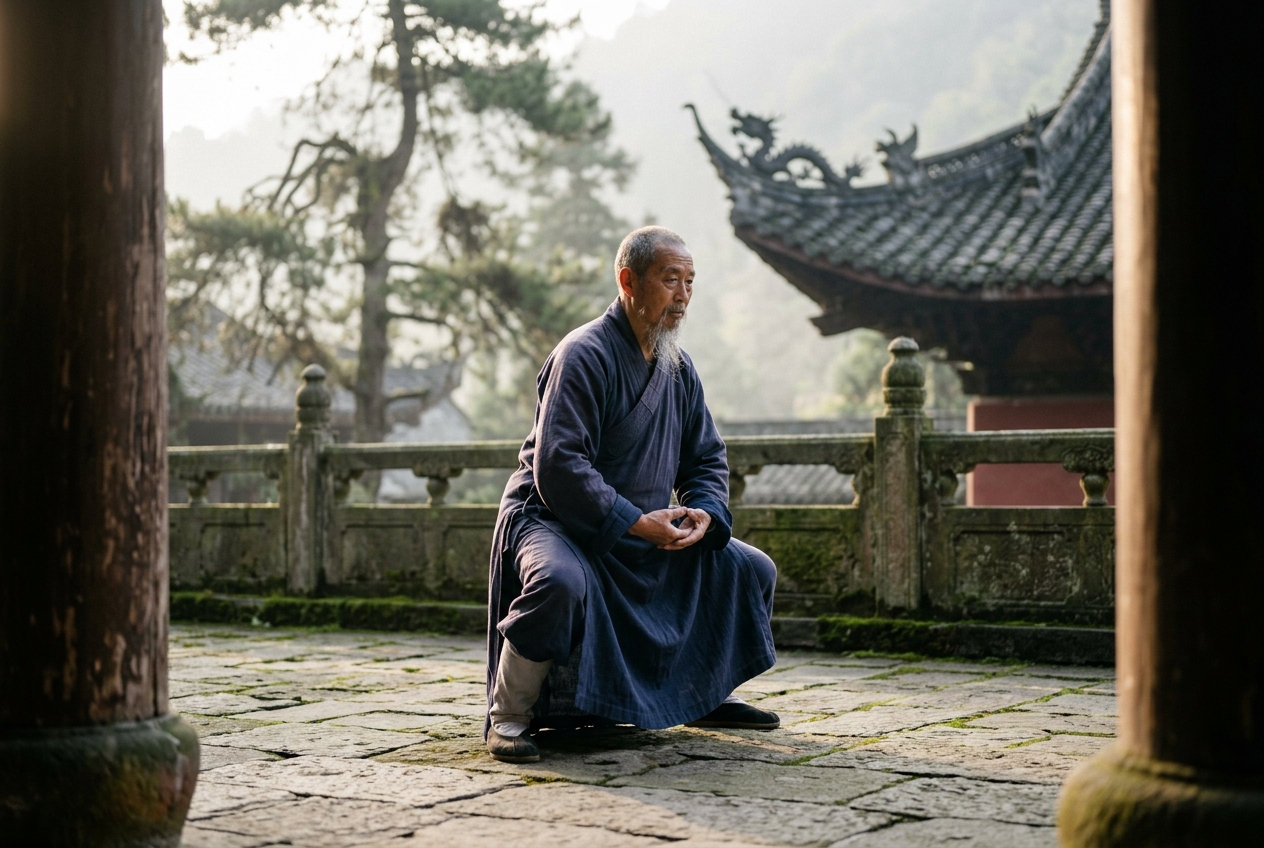
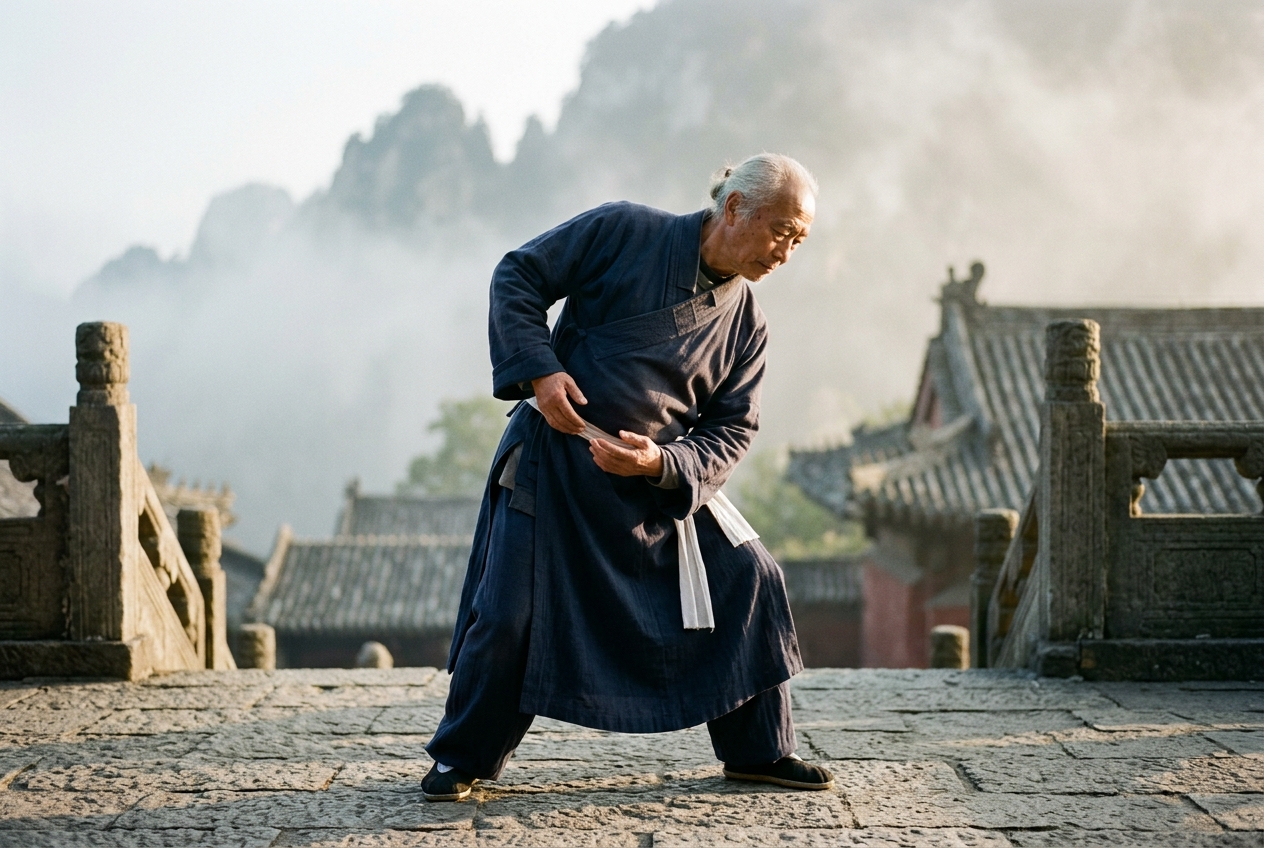
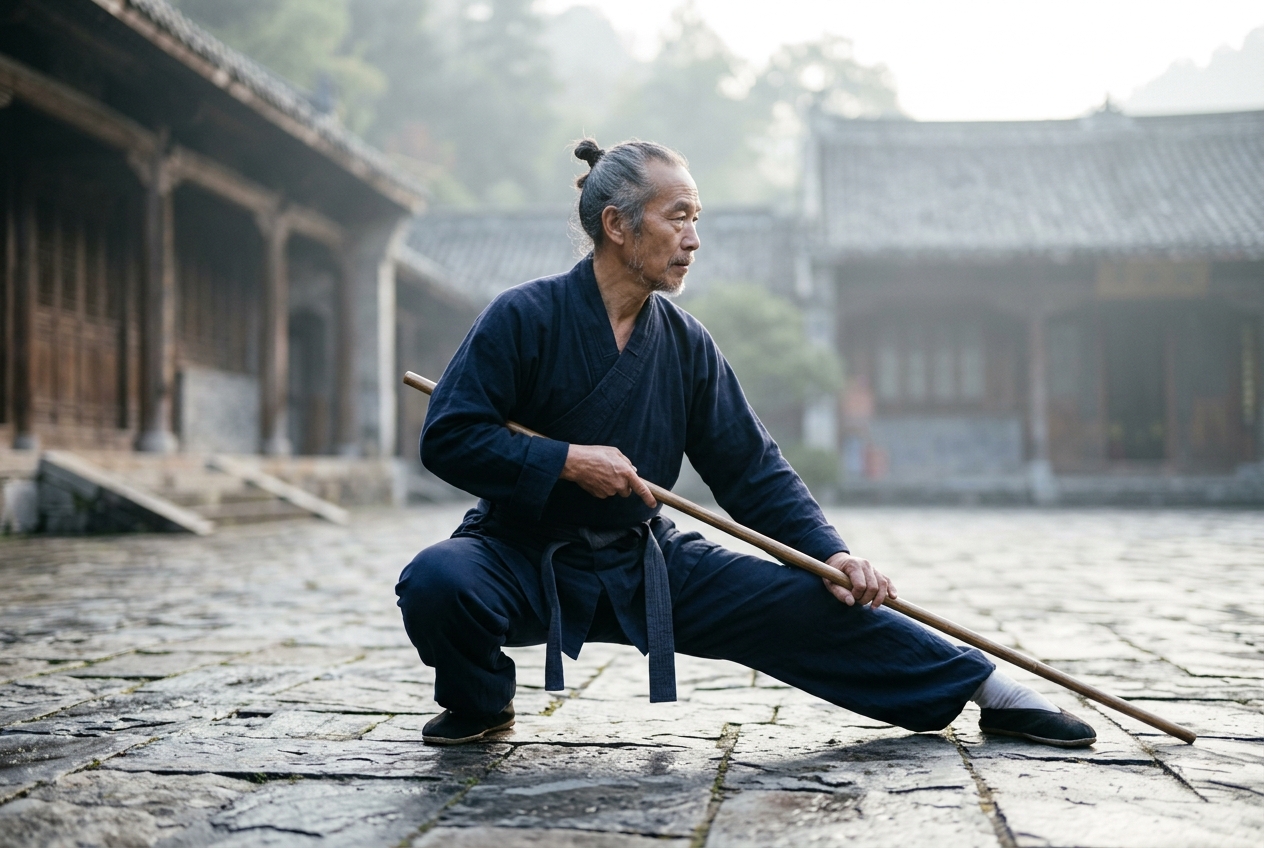
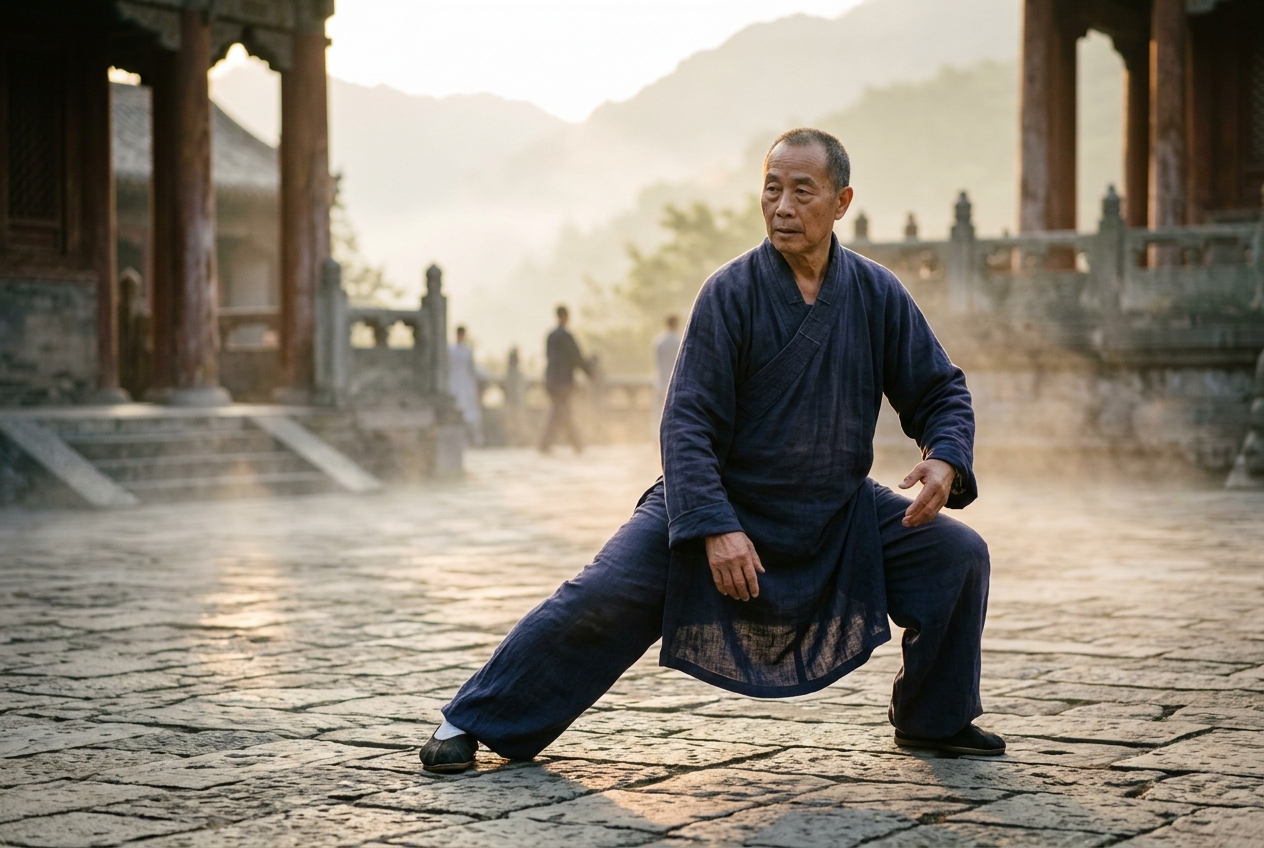
Known across centuries of martial and therapeutic lineages as *Pu Bu* (仆步)—frequently translated into English as the "Crouching Stance," "Flat Stance," or "Drop Step"—this posture represents one of the most mechanically demanding and bioenergetically potent foundations in traditional Chinese physical culture. In its most basic visual expression, Pu Bu is an asymmetrical, low-basin crouch: one leg bends into a full, deep squat that bears the majority of the practitioner's body weight, while the contralateral leg extends fully to the lateral plane, maintaining a low, unbroken line parallel to the ground.

⚡ 8,814 Tokens • $0.00 Cost
Pishu Cavity Spleen Shu: Thoracolumbar Junction Fascial Decompression, Spleen Earth Qi Transformation, and Muscular Kinetic Tone in Classical Neigong
TCM QIGONG & ENERGY MOVEMENT

Pishu Cavity Spleen Shu: Thoracolumbar Junction Fascial Decompression, Spleen Earth Qi Transformation, and Muscular Kinetic Tone in Classical Neigong

To understand why this specific point on the spine holds such profound therapeutic power, we must examine the intersection of classical topography and modern orthopedic science. Anatomically, *Pishu* is situated 1.5 *cun* (approximately two finger-widths, or 3.5 to 4 centimeters) lateral to the lower border of the spinous process of the eleventh thoracic vertebra (T11).

⚡ 7,675 Tokens • $0.00 Cost
Peng Jin Ward-Off Elastic Force: Omnidirectional Fascial Tensegrity, Hydraulic Interstitial Pressurization, and Kinetic Expansion in Classical Neigong
TCM QIGONG & ENERGY MOVEMENT

Peng Jin Ward-Off Elastic Force: Omnidirectional Fascial Tensegrity, Hydraulic Interstitial Pressurization, and Kinetic Expansion in Classical Neigong

At its core, *Peng Jin* (掤勁)—frequently translated as "Ward-Off Elastic Force"—is the foundational physical quality cultivated across traditional [Neigong](https://en.wikipedia.org/wiki/Neigong) (internal energy cultivation) and internal martial arts like [Taijiquan](https://en.wikipedia.org/wiki/Tai_chi). Rather than relying on isolated muscular effort or rigid skeletal bracing, *Peng Jin* is an expansive, spring-like fullness that radiates equally in all directions throughout the entire body, much like the buoyant pressure of an inflated sports ball floating in water. When an external force pushes against a properly cultivated *Peng* structure, the incoming pressure does not hit an immovable wall; instead, it meets an elastic, dynamic matrix that naturally absorbs, redistributes, and returns the vector straight into the earth beneath the practitioner’s feet.

⚡ 7,095 Tokens • $0.00 Cost
Pangguangshu Cavity Bladder Shu: Sacral Fascial Decompression, Lower Burner Fluid Transformation, and Posterior Kinetic Chain Rooting in Classical Neigong
TCM QIGONG & ENERGY MOVEMENT

Pangguangshu Cavity Bladder Shu: Sacral Fascial Decompression, Lower Burner Fluid Transformation, and Posterior Kinetic Chain Rooting in Classical Neigong

To locate *Pangguangshu* with anatomical accuracy, palpate the posterior superior iliac spine (PSIS)—the bony prominence commonly visible as the "dimple of Venus" on the lower back. Moving medially toward the midline of the sacrum and slightly inferiorly brings you to the level of the second posterior sacral foramen. BL28 is situated 1.5 *cun* (approximately two finger-widths) lateral to the posterior median sacral crest, nestled directly over the groove of the sacral gutter.

⚡ 6,947 Tokens • $0.00 Cost
Lu Jin Roll-Back Yielding Force: Helical Fascial Redirection, Centripetal Torque Dissipation, and Elastic Absorptive Neutralization in Classical Neigong
TCM QIGONG & ENERGY MOVEMENT

Lu Jin Roll-Back Yielding Force: Helical Fascial Redirection, Centripetal Torque Dissipation, and Elastic Absorptive Neutralization in Classical Neigong

To understand Lu Jin, one must first recognize its inseparable relationship with its complementary counterpart: *Peng Jin* (掤勁), the expansive, buoyant outward force foundational to all internal martial arts. In traditional internal theory codified within [Taijiquan](https://en.wikipedia.org/wiki/Tai_chi), *Peng* represents the Yang aspect of kinetic energy: an outward-radiating, spherical elasticity analogous to a pressurized rubber ball floating on water. When an external object presses into that ball, the ball does not collapse; rather, its inflated skin maintains omnidirectional outward support.

⚡ 6,948 Tokens • $0.00 Cost
Lie Jin Split Force: Opposing Bi-Directional Kinetic Vectoring, Helical Fascial Torsion, and Rotational Shear in Classical Neigong
TCM QIGONG & ENERGY MOVEMENT

Lie Jin Split Force: Opposing Bi-Directional Kinetic Vectoring, Helical Fascial Torsion, and Rotational Shear in Classical Neigong

To understand the unique mechanics of *Lie Jin*, one must examine its classical taxonomic architecture within the canonical system of the Eight Gates (*Ba Men*, 八门), which form the fundamental kinetic vocabulary of Taijiquan and related internal arts as detailed in the history of [Taijiquan on Wikipedia](https://en.wikipedia.org/wiki/Tai_chi). The Eight Gates are divided into two distinct geometric categories: the Four Cardinal Directions (*Si Zheng*, 四正) and the Four Diagonal Corners (*Si Yu*, 四隅).

⚡ 8,392 Tokens • $0.00 Cost
Kao Jin Shoulder Strike Force: Close-Range Trunk Kinetic Acceleration, Scapular-Torso Tensegrity, and Axial Ground Reaction Vectoring in Classical Neigong
TCM QIGONG & ENERGY MOVEMENT

Kao Jin Shoulder Strike Force: Close-Range Trunk Kinetic Acceleration, Scapular-Torso Tensegrity, and Axial Ground Reaction Vectoring in Classical Neigong

In plain English, *Kao Jin* is the art of transforming the human torso into an elastic, explosive kinetic battering ram powered entirely by the ground beneath your feet. While casual observers often mistake it for a brutish football tackle, a rugby charge, or an isolated shoulder shove, authentic *Kao Jin* operates on fundamentally different physical and energetic principles. Rather than hurling the body forward off-balance or swinging the shoulder forward using localized pectoral and deltoid contraction, the practitioner maintains an upright, rooted vertical axis. By synchronizing a sudden drop of the body's center of mass with an instantaneous expansion of the fascial matrix, the practitioner delivers a devastating short-range shockwave through the shoulder, the upper thoracic spine, or the hip, transferring massive kinetic energy into a target with less than two inches of visible movement.

⚡ 8,673 Tokens • $0.00 Cost
Juque Cavity Great Tower Gate: Subxiphoid Fascial Decompression, Cardiac Shen Anchoring, and Epigastric Kinetic Vectoring in Classical Neigong
TCM QIGONG & ENERGY MOVEMENT

Juque Cavity Great Tower Gate: Subxiphoid Fascial Decompression, Cardiac Shen Anchoring, and Epigastric Kinetic Vectoring in Classical Neigong

This standalone cultivation protocol requires no specialized equipment and can be performed in either a standing posture or seated on a firm chair. It systematically coordinates micro-postural alignment, diaphragmatic mechanics, and focused interoceptive intent (*Yi Dao Qi Dao*, "where intention leads, energy follows").

⚡ 5,981 Tokens • $0.00 Cost
Jueyinshu Cavity Pericardium Shu: Upper Mid-Thoracic Fascial Decompression, Cardiac Shen Shielding, and Pericardium Kinetic Vectoring in Classical Neigong
TCM QIGONG & ENERGY MOVEMENT

Jueyinshu Cavity Pericardium Shu: Upper Mid-Thoracic Fascial Decompression, Cardiac Shen Shielding, and Pericardium Kinetic Vectoring in Classical Neigong

In classical Chinese somatic arts (*Neigong* and *Daoyin*), this pivotal anatomical locus is known as *Jueyinshu* (厥陰俞, standard acupuncture designation BL14), translated as the "Pericardium Back-Transporting Point." Located along the inner line of the [Bladder meridian](https://en.wikipedia.org/wiki/List_of_acupuncture_points#Bladder_meridian) on either side of the fourth thoracic vertebra, *Jueyinshu* serves as the dorsal control switch for the *Xin Bao* (心包), or the Pericardium—the protective anatomical and energetic envelope enclosing the heart.

⚡ 6,585 Tokens • $0.00 Cost
Jingmen Cavity Capital Gate: Twelfth Costal Margin Fascial Decompression, Renal Essence Awakening, and Posterolateral Kinetic Tensegrity in Classical Neigong
TCM QIGONG & ENERGY MOVEMENT

Jingmen Cavity Capital Gate: Twelfth Costal Margin Fascial Decompression, Renal Essence Awakening, and Posterolateral Kinetic Tensegrity in Classical Neigong

At its core, this practice is a method of physical decompression and focused breathing designed to open the lower lateral flanks of the waist and liberate the floating ribs. In everyday life, chronic stress and prolonged sitting compress the lower back, lock the ribcage into an elevated or flared position, and immobilize the kidneys within their surrounding tissue sheath. By learning to release the deep muscular gripping around the twelfth rib, you restore natural multidirectional movement to your breathing, allowing the breath to physically widen the back and sides of your waist rather than pushing your abdomen outward or puffing up your chest.

⚡ 5,903 Tokens • $0.00 Cost
Jianjing Cavity Shoulder Well: Upper Trapezius Fascial Decompression, Descending Yang Vectoring, and Glenohumeral Kinetic Release in Classical Neigong
TCM QIGONG & ENERGY MOVEMENT

Jianjing Cavity Shoulder Well: Upper Trapezius Fascial Decompression, Descending Yang Vectoring, and Glenohumeral Kinetic Release in Classical Neigong

In classical Chinese somatic traditions, this anatomical crossroads is known as *Jianjing* (Acupuncture point [Gallbladder 21 (GB21)](https://en.wikipedia.org/wiki/Acupuncture_point)), translated poetically and functionally as the "Shoulder Well." In modern physical terms, Jianjing is the primary physiological suspension bridge of the upper human torso—the epicenter where the weight of your head, the suspension of your arms, and the tension of your emotional state constantly converge. When classical masters of [Qigong](https://en.wikipedia.org/wiki/Qigong) spoke of "sinking the Qi into the lower belly" (the *Dantian*, located roughly two inches below the navel), their very first physical checkpoint was the deliberate softening and dropping of this exact muscular well.

⚡ 8,382 Tokens • $0.00 Cost
Huantiao Cavity Jumping Round: Coxofemoral Fascial Decompression, Sciatic Pathway Release, and Lateral Kinetic Rooting in Classical Neigong
TCM QIGONG & ENERGY MOVEMENT

Huantiao Cavity Jumping Round: Coxofemoral Fascial Decompression, Sciatic Pathway Release, and Lateral Kinetic Rooting in Classical Neigong

Calibrating the Huantiao cavity requires precise neuromuscular attention, as the target tissue resides deep beneath the superficial gluteal layers. The following protocols integrate classical static standing (*Zhan Zhuang*), dynamic silk reeling (*Chan Si Gong*), and foundational stances (*Gong Bu* and *Pu Bu*) to systematically unwind this pelvic junction.

⚡ 5,989 Tokens • $0.00 Cost
Houxi Cavity Back Stream: Hypothenar Fascial Decompression, Du Mai Vessel Activation, and Axial Spinal Kinetic Transmission in Classical Neigong
TCM QIGONG & ENERGY MOVEMENT

Houxi Cavity Back Stream: Hypothenar Fascial Decompression, Du Mai Vessel Activation, and Axial Spinal Kinetic Transmission in Classical Neigong

At its core, this practice involves learning how to activate a specific anatomical nexus on the outer edge of the hand to release chronic compression in your spine, neck, and shoulder girdle. By subtly elongating the outer border of the palm rather than gripping with brute muscular force, you engage an uninterrupted web of connective tissue that runs from your pinky finger all the way up through your back into the skull. In classical Chinese somatic theory, this point is known as *Houxi* (後溪, translated as "Back Stream" or "Back Ravine") and is catalogued as the third point along the Small Intestine channel ([Hand Taiyang Small Intestine meridian](https://en.wikipedia.org/wiki/List_of_acupuncture_points)).

⚡ 7,605 Tokens • $0.00 Cost
← Previous Page Page 4 / 11 Next Page →