Powernews Section Archive

TCM Qigong & Energy Movement Archive

Page 3 of 11
Yuan Dang Rounding the Crotch: Pelvic Arch Tensegrity, Adductor Elastic Recoil, and Lower-Limb Kinetic Rooting in Classical Neigong
TCM QIGONG & ENERGY MOVEMENT

Yuan Dang Rounding the Crotch: Pelvic Arch Tensegrity, Adductor Elastic Recoil, and Lower-Limb Kinetic Rooting in Classical Neigong

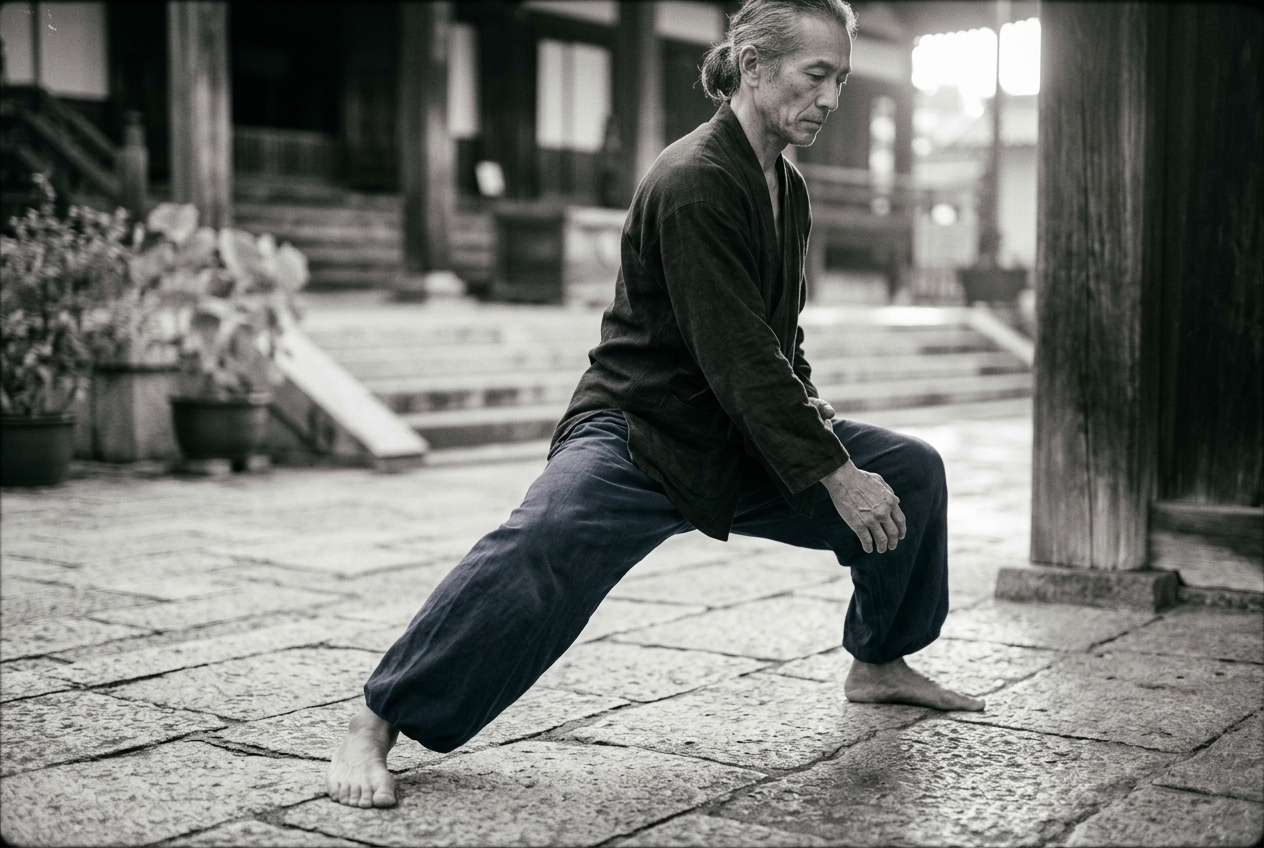
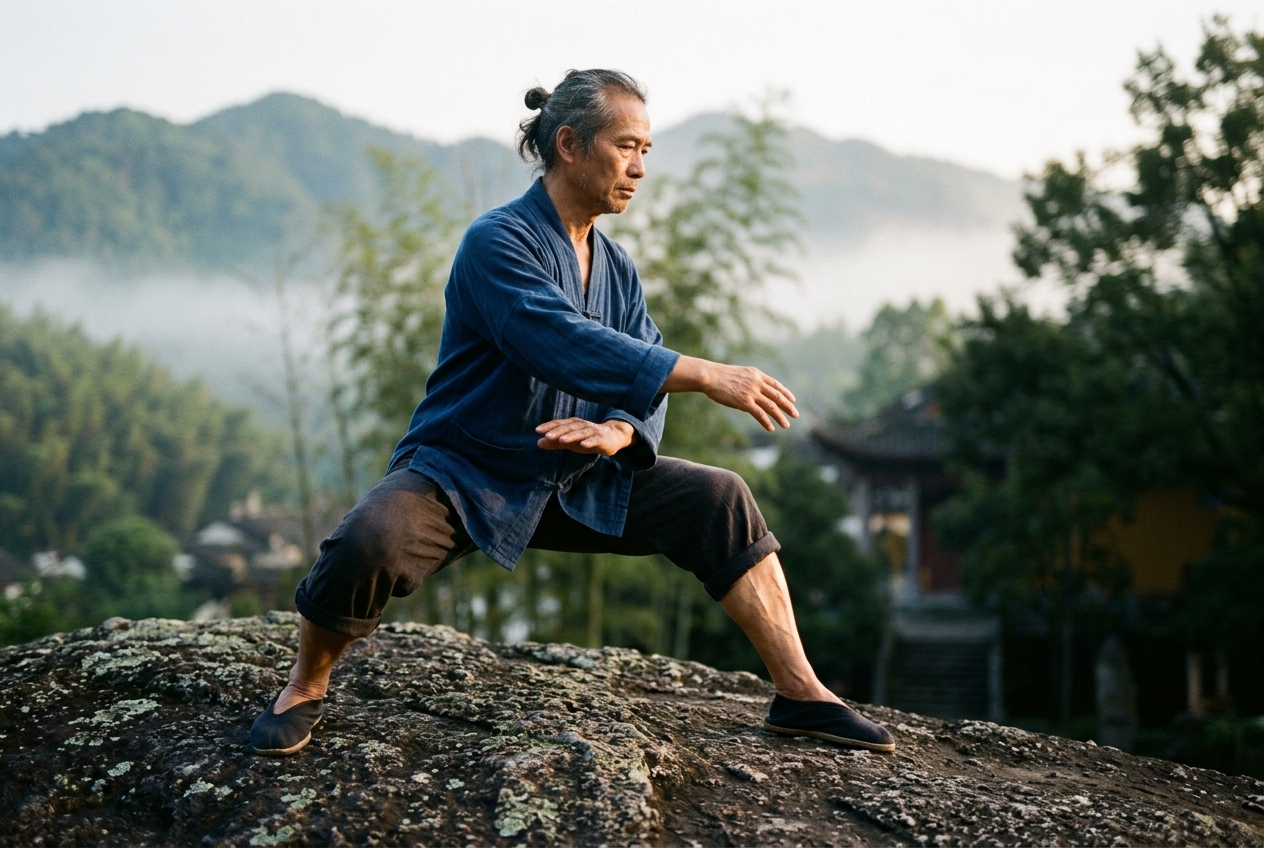
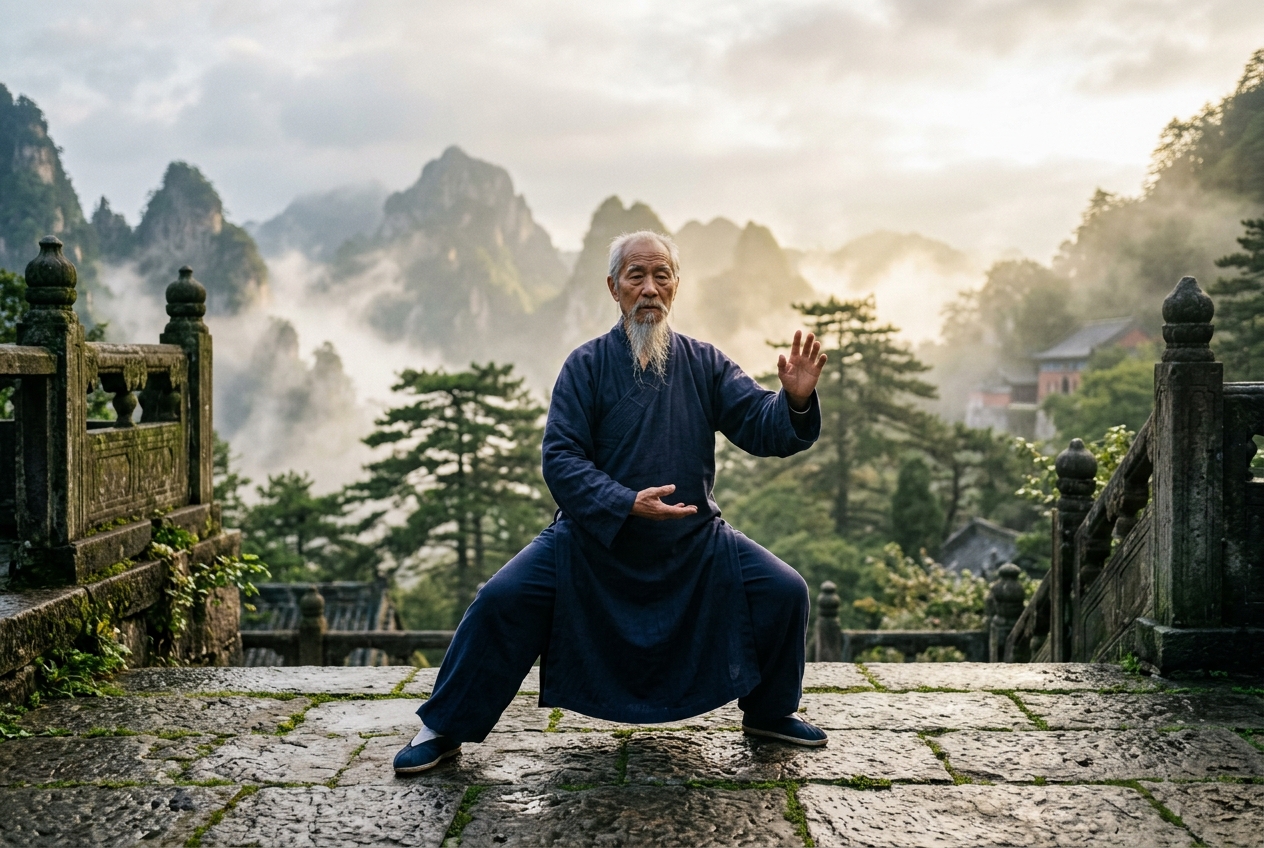
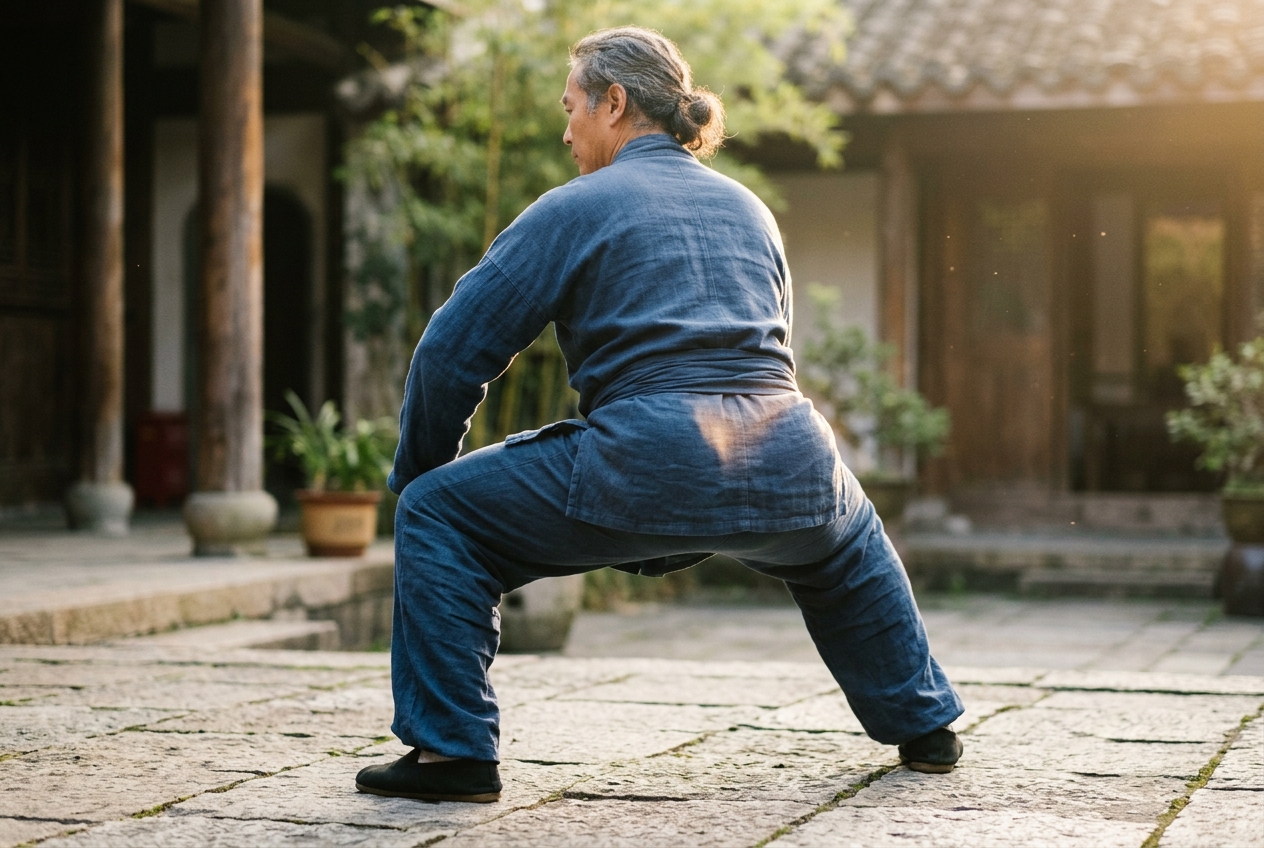
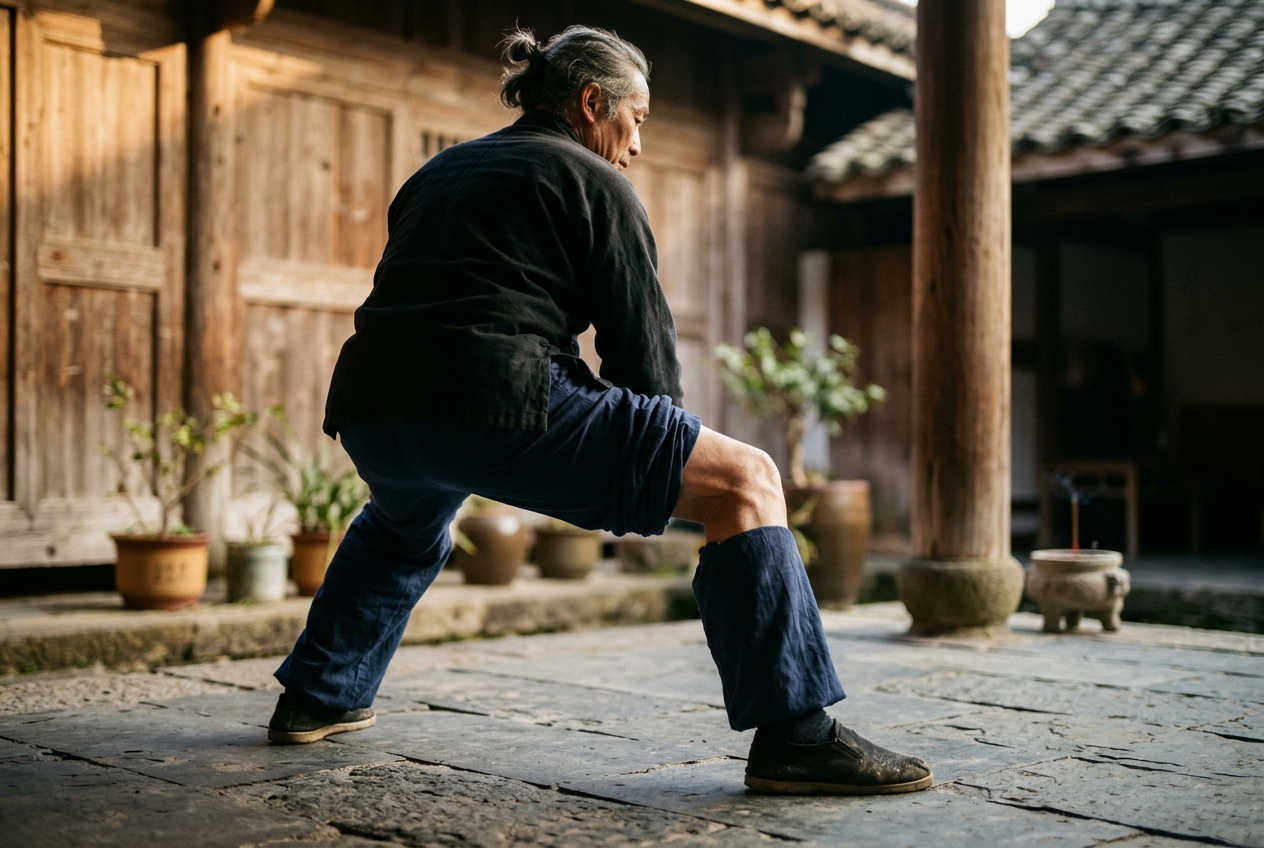
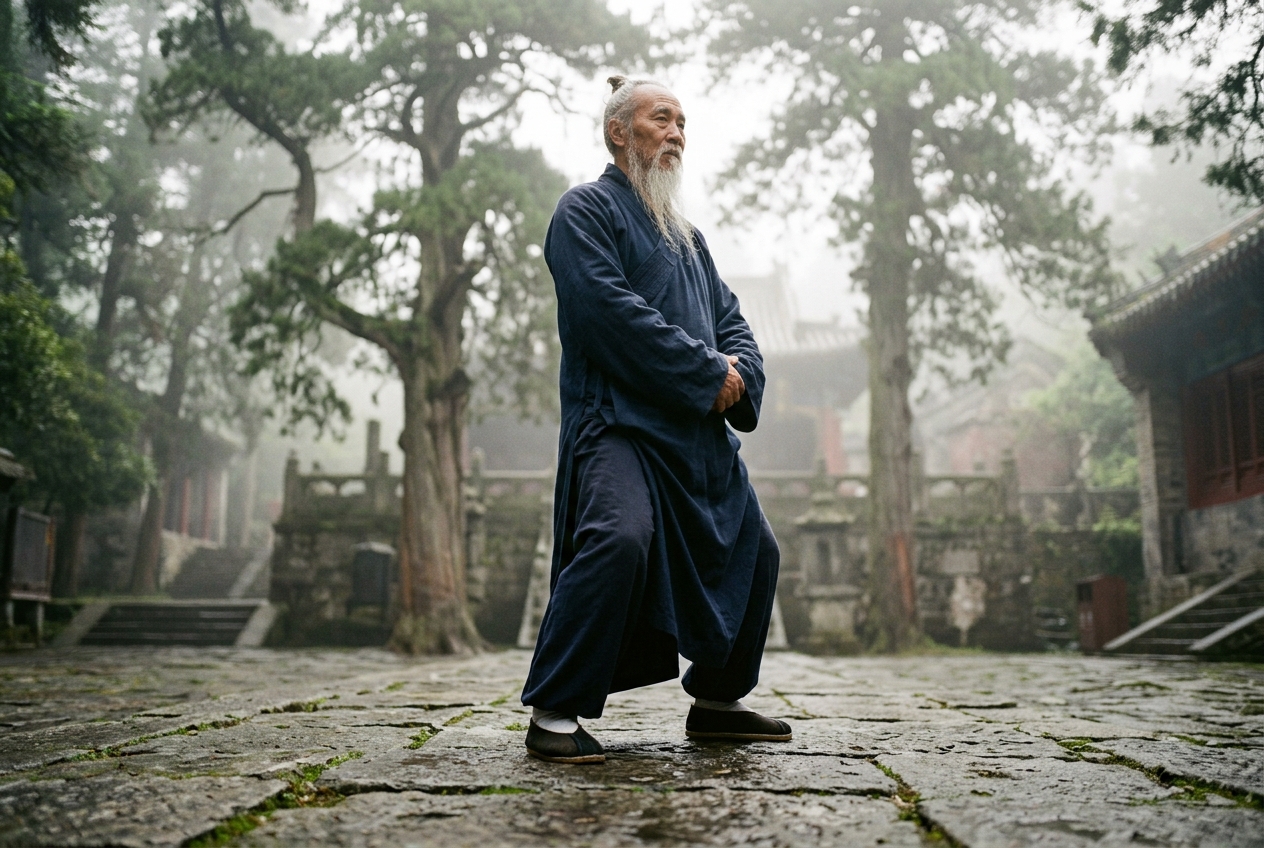
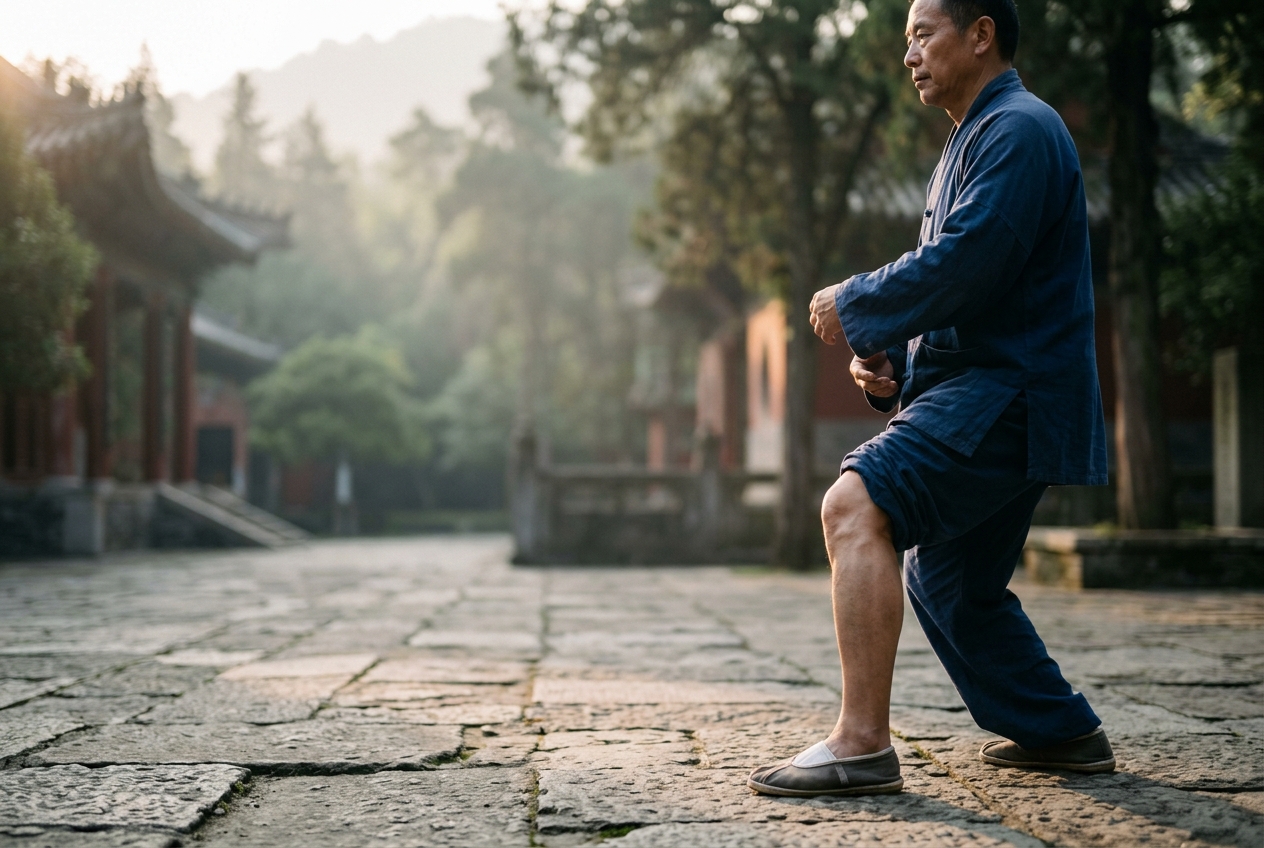
At its essence, *Yuan Dang* is the deliberate biomechanical shaping of the pelvic basin and legs into a continuous, elastic vault. When a novice practitioner stands with knees bent, the legs typically collapse inward toward one another or flop outward into a dead sag. Rounding the crotch solves this by establishing a dynamic suspension bridge: the knees are gently rounded outward over the line of the toes, the inner thighs remain open and spacious as if hugging a broad wooden barrel, and the pelvic floor remains buoyantly lifted rather than compressed or overstretched.

⚡ 8,872 Tokens • $0.00 Cost
Yinlingquan Cavity Yin Mound Spring: Medial Tibial Fascial Decompression, Spleen Fluid Transformation, and Deep Kinetic Chain Integration in Classical Neigong
TCM QIGONG & ENERGY MOVEMENT

Yinlingquan Cavity Yin Mound Spring: Medial Tibial Fascial Decompression, Spleen Fluid Transformation, and Deep Kinetic Chain Integration in Classical Neigong

In the classical traditions of Daoist longevity exercises ([Daoyin](https://en.wikipedia.org/wiki/Daoyin)) and internal cultivation ([Neigong](https://en.wikipedia.org/wiki/Neigong)), this specific anatomical site is known as *Yinlingquan* (陰陵泉)—frequently translated as the "Yin Mound Spring" or Acupoint SP9. Situated along the [Spleen meridian](https://en.wikipedia.org/wiki/Spleen_meridian) of traditional East Asian medicine, Yinlingquan sits in the deep natural groove immediately below the medial condyle of the tibia, where the swelling head of the shin bone tapers into the shaft.

⚡ 8,432 Tokens • $0.00 Cost
Yi Dao Qi Dao Intention Guides Qi: Cortical Sensorimotor Pre-Innervation, Bioelectric Meridian Conduction, and Somatosensory Vectoring in Classical Neigong
TCM QIGONG & ENERGY MOVEMENT

Yi Dao Qi Dao Intention Guides Qi: Cortical Sensorimotor Pre-Innervation, Bioelectric Meridian Conduction, and Somatosensory Vectoring in Classical Neigong

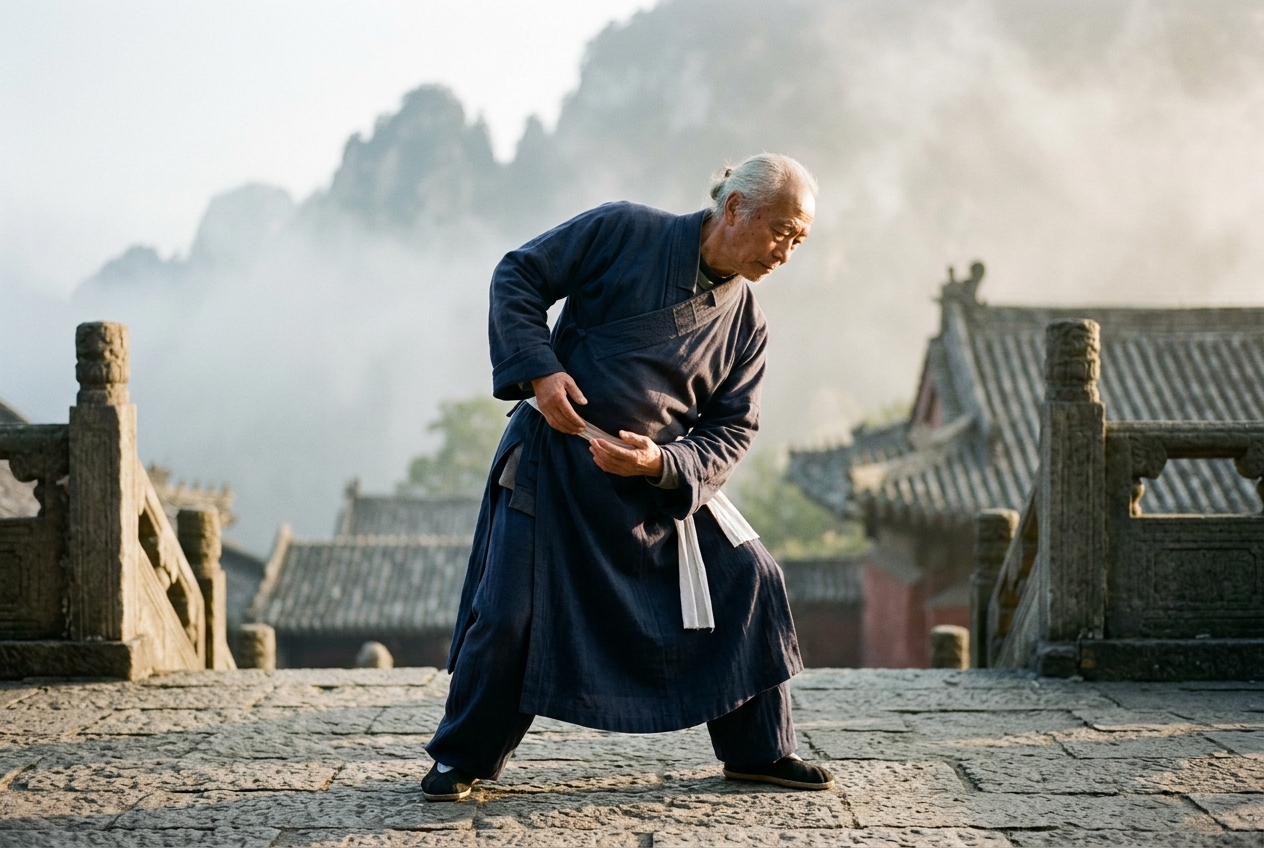
To comprehend the profound physiological and martial implications of this classical axiom, one must dissect the three-tiered functional hierarchy that underpins traditional Daoist internal alchemy and internal martial arts ([Neigong](https://en.wikipedia.org/wiki/Neigong)): the distinct yet continuously coupled domains of *Yi* (conscious somatic intent), *Qi* (bioelectric, thermodynamic, and hemodynamic vitality), and *Li* (gross mechanical and neuromuscular force).

⚡ 7,131 Tokens • $0.00 Cost
Yanglingquan Cavity Yang Mound Spring: Peroneal Fascial Decompression, Sinew Meridian Modulation, and Lateral Kinetic Chain Integration in Classical Neigong
TCM QIGONG & ENERGY MOVEMENT

Yanglingquan Cavity Yang Mound Spring: Peroneal Fascial Decompression, Sinew Meridian Modulation, and Lateral Kinetic Chain Integration in Classical Neigong

In the classical Chinese health tradition, this anatomical focal point is known as *Yanglingquan* (陽陵泉), designated in modern acupuncture taxonomy as Gallbladder 34 (GB34) and translated poetically as the "Yang Mound Spring." In the foundational framework of Daoist movement therapy (*Daoyin*) and internal development (*Neigong*), working with this point is not simply a matter of clinical needle insertion; it is an active somatic discipline of postural vectoring, myofascial unwinding, and conscious kinetic alignment.

⚡ 7,190 Tokens • $0.00 Cost
Xuehai Cavity Sea of Blood: Medial Femoral Fascial Decompression, Vastus Medialis Kinetic Vectoring, and Hematological Qi Regulation in Classical Neigong
TCM QIGONG & ENERGY MOVEMENT

Xuehai Cavity Sea of Blood: Medial Femoral Fascial Decompression, Vastus Medialis Kinetic Vectoring, and Hematological Qi Regulation in Classical Neigong

Within the classical taxonomy of [Traditional Chinese Medicine](https://en.wikipedia.org/wiki/Traditional_Chinese_medicine), the Spleen system is revered as the primary governor of transportation and transformation (*Yun Hua*), responsible not only for digestion but for holding the blood within its vascular pathways and generating fresh nutritive fluids. Positioned on the Foot Taiyin channel, *Xuehai* functions as an energetic sea—a vast reservoir capable of dampening turbulent systemic heat, dispersing micro-thrombi and cellular stagnation, and replenishing depleted blood volume throughout the viscera.

⚡ 6,786 Tokens • $0.00 Cost
Xuanzhong Cavity Suspended Bell: Distal Fibular Fascial Decompression, Marrow Hui Dynamics, and Lateral Crural Kinetic Vectoring in Classical Neigong
TCM QIGONG & ENERGY MOVEMENT

Xuanzhong Cavity Suspended Bell: Distal Fibular Fascial Decompression, Marrow Hui Dynamics, and Lateral Crural Kinetic Vectoring in Classical Neigong

At its core, this practice is a method of conscious postural alignment and breathwork designed to open a critical structural gateway in the lower leg. By releasing chronic muscular tension at this specific junction, the practitioner aligns the skeletal framework so that the weight of the torso settles effortlessly into the earth, relieving strain on the knees, hips, and spine while stimulating the living tissues inside our bones.

⚡ 7,761 Tokens • $0.00 Cost
Xu Bu Empty Stance Qigong: Unilateral Posterior Weight Vectoring, Spiral Fascial Coiling, and Plantar Proprioceptive Rooting in Classical Daoyin
TCM QIGONG & ENERGY MOVEMENT

Xu Bu Empty Stance Qigong: Unilateral Posterior Weight Vectoring, Spiral Fascial Coiling, and Plantar Proprioceptive Rooting in Classical Daoyin

To understand *Xu Bu*, one must first dismantle the modern Western habit of symmetric standing. Most people navigate their daily lives in a state of biomechanical ambiguity, constantly leaning, slumping, or locking both knees simultaneously. In classical Chinese internal arts, this muddled distribution is termed "double weighting" (*Shuang Zhong*), an unrefined somatic state where neither leg is truly grounded and neither leg is truly free.

⚡ 7,729 Tokens • $0.00 Cost
Xinshu Cavity Heart Shu: Interscapular Fascial Decompression, Cardiac Shen Tranquilization, and Upper-Thoracic Kinetic Tensegrity in Classical Neigong
TCM QIGONG & ENERGY MOVEMENT

Xinshu Cavity Heart Shu: Interscapular Fascial Decompression, Cardiac Shen Tranquilization, and Upper-Thoracic Kinetic Tensegrity in Classical Neigong

At its core, this practice is a gentle method of opening the upper back and chest through micro-movements, relaxed breathing, and focused mental awareness. Rather than forcing the body into extreme stretches, it uses subtle spirals of the spine and shoulder blades to release deep muscular tension trapped between the shoulder blades, allowing the breath to fill the chest and abdomen naturally.

⚡ 8,231 Tokens • $0.00 Cost
Xie Bu Resting Stance Qigong: Spiral Pelvic Torsion, Lateral Fascial Kinetic Loading, and Shaoyang Gallbladder Meridian Activation in Classical Daoyin
TCM QIGONG & ENERGY MOVEMENT

Xie Bu Resting Stance Qigong: Spiral Pelvic Torsion, Lateral Fascial Kinetic Loading, and Shaoyang Gallbladder Meridian Activation in Classical Daoyin

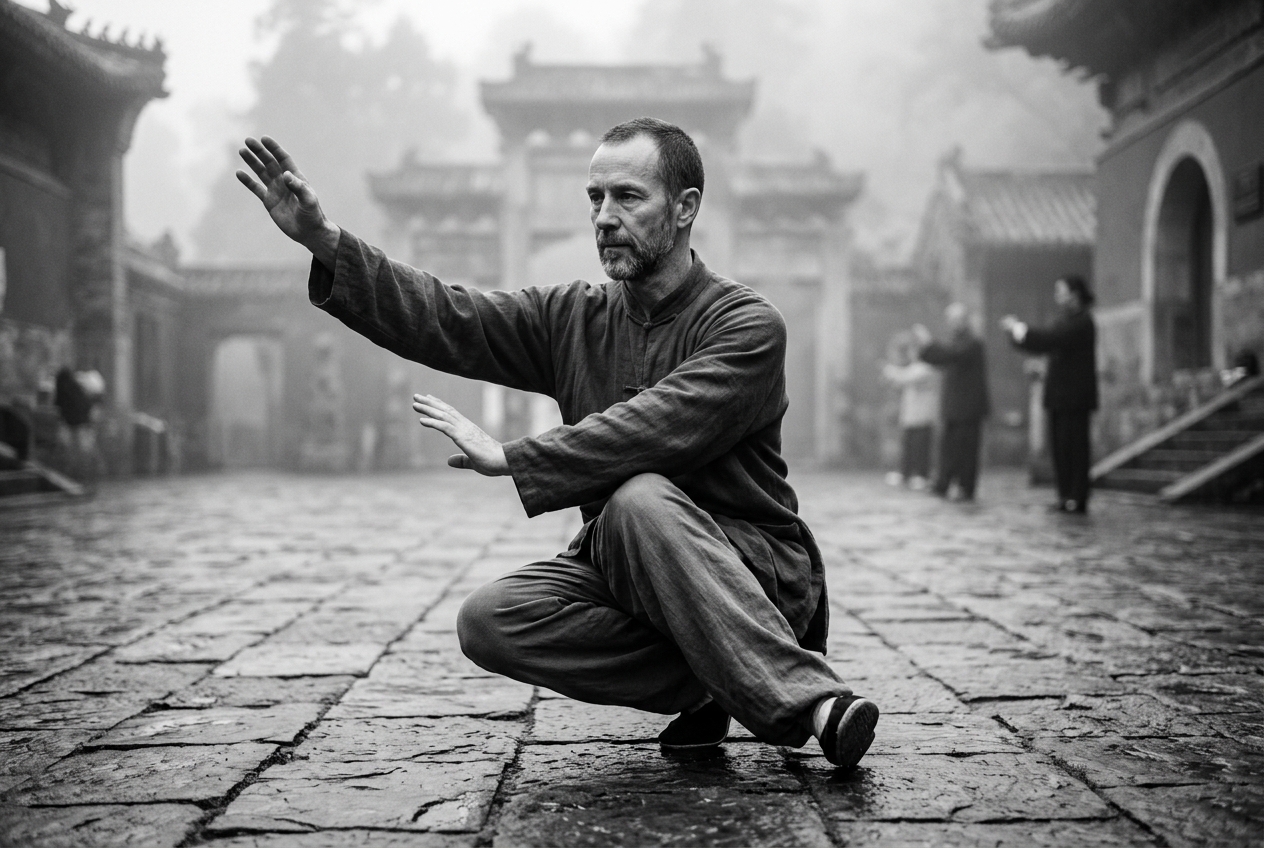
At its simplest, this posture is known as *Xie Bu* (歇步), commonly translated as the "Resting Stance" or "Crossed Stance." Far from being a passive rest, it is an active, coiled sitting posture in which the legs cross tightly and the pelvis sinks low to the ground while the torso remains upright and buoyant. In the classical Chinese movement arts of [Qigong](https://en.wikipedia.org/wiki/Qigong) and [Daoyin](https://en.wikipedia.org/wiki/Daoyin) (the ancient tradition of therapeutic stretching and breath guiding), Xie Bu acts as a torsional spring. It compresses the pelvic bowl, wrings out deep-seated muscular and fascial stagnation around the hips, and builds an extraordinary foundation of lower-body stability.

⚡ 6,406 Tokens • $0.00 Cost
Xiaochangshu Cavity Small Intestine Shu: Sacroiliac Fascial Decompression, Enteric Pure-Turbid Separation, and Pelvic Kinetic Rooting in Classical Neigong
TCM QIGONG & ENERGY MOVEMENT

Xiaochangshu Cavity Small Intestine Shu: Sacroiliac Fascial Decompression, Enteric Pure-Turbid Separation, and Pelvic Kinetic Rooting in Classical Neigong

At its core, this practice is a method of structurally decompressing the sacroiliac junction and cultivating conscious awareness within a pivotal anatomical and energetic gateway known in Classical Chinese Medicine as *Xiaochangshu* (BL27, or the Small Intestine Back-Shu point). In ordinary terms, it is the art of unlocking the dense junction where your spine nests into your pelvis, transforming a locked, rigid tailbone into an elastic, breathing suspension bridge.

⚡ 7,102 Tokens • $0.00 Cost
Weizhong Cavity Supporting Middle: Popliteal Fascial Decompression, Posterior Kinetic Chain Unwinding, and Lumbosacral Ground Force Transmission in Classical Neigong
TCM QIGONG & ENERGY MOVEMENT

Weizhong Cavity Supporting Middle: Popliteal Fascial Decompression, Posterior Kinetic Chain Unwinding, and Lumbosacral Ground Force Transmission in Classical Neigong

Stand up from wherever you are, slip off your shoes, and plant your bare feet shoulder-width apart on a firm, level surface. Allow your arms to hang unweighted by your sides, close your eyes, and direct your interoceptive attention immediately to the posterior aspect of your knees. In all likelihood, you will find your knee joints locked in rigid hyperextension, the surrounding connective tissues drawn taut like steel cables, and your pelvis subtly anteriorly tilted—pinching the lumbosacral junction of your lower back. Now, without dropping your hips into a muscular squat, imagine softening the crease behind each knee by a mere two millimeters, as if filling a gentle, pressurized balloon within the hollow of the joint space. Take a slow, diaphragmatic breath into your lower abdomen. Notice the instantaneous neuromuscular ripple effect: the hamstrings lengthen, the sacrum descends, the lumbar spine lengthens and decompresses, and your center of gravity drops effortlessly through your heels into the floor.

⚡ 7,610 Tokens • $0.00 Cost
Weishu Cavity Stomach Shu: Lower Thoracolumbar Fascial Decompression, Gastric Qi Descending Dynamics, and Axial Kinetic Rooting in Classical Neigong
TCM QIGONG & ENERGY MOVEMENT

Weishu Cavity Stomach Shu: Lower Thoracolumbar Fascial Decompression, Gastric Qi Descending Dynamics, and Axial Kinetic Rooting in Classical Neigong

At its core, working with Weishu means releasing chronic muscular, fascial, and nervous tension at the junction of your mid-back and lower back (the twelfth thoracic vertebra, or T12) in order to restore the natural, downward flow of digestive and metabolic activity. When we experience physical fatigue, emotional distress, or structural collapse, the muscles bordering our spine contract, compressing the neurovascular pathways that regulate gastric motility and blood supply to the stomach.

⚡ 7,957 Tokens • $0.00 Cost
Tiantu Cavity Celestial Chimney: Suprasternal Fascial Decompression, Thoracic Inlet Decongestion, and Descending Ren Mai Qi Vectoring in Classical Neigong
TCM QIGONG & ENERGY MOVEMENT

Tiantu Cavity Celestial Chimney: Suprasternal Fascial Decompression, Thoracic Inlet Decongestion, and Descending Ren Mai Qi Vectoring in Classical Neigong

At its core, this practice is a gentle method of opening the throat and upper chest using precise postural alignments and relaxed diaphragmatic breathing. In everyday life, chronic stress and hours spent staring down at computer screens cause the shoulders to hunch forward and the chin to poke outward, creating a vice-like compression at the base of the throat.

⚡ 5,623 Tokens • $0.00 Cost
Tianshu Cavity Celestial Pivot: Rectus Sheath Fascial Decompression, Enteric Axis Motility, and Sagittal Core Kinetic Vectoring in Classical Neigong
TCM QIGONG & ENERGY MOVEMENT

Tianshu Cavity Celestial Pivot: Rectus Sheath Fascial Decompression, Enteric Axis Motility, and Sagittal Core Kinetic Vectoring in Classical Neigong

At its essence, the cultivation of the Celestial Pivot is the systematic practice of decompressing and mobilizing the deep tissues of the middle abdomen using breath, structural alignment, and gentle manual pressure. Rather than bracing or contracting the abdominal wall into a rigid shield—a common error in modern fitness—this practice trains you to soften the muscles of the belly so that your diaphragm can move like an internal piston, gently massaging your abdominal organs with every cycle of inhalation and exhalation.

⚡ 7,364 Tokens • $0.00 Cost
Taiyuan Cavity Supreme Abyss: Radial Carpal Fascial Decompression, Vascular Hui Dynamics, and Distal Upper-Limb Kinetic Transmission in Classical Neigong
TCM QIGONG & ENERGY MOVEMENT

Taiyuan Cavity Supreme Abyss: Radial Carpal Fascial Decompression, Vascular Hui Dynamics, and Distal Upper-Limb Kinetic Transmission in Classical Neigong

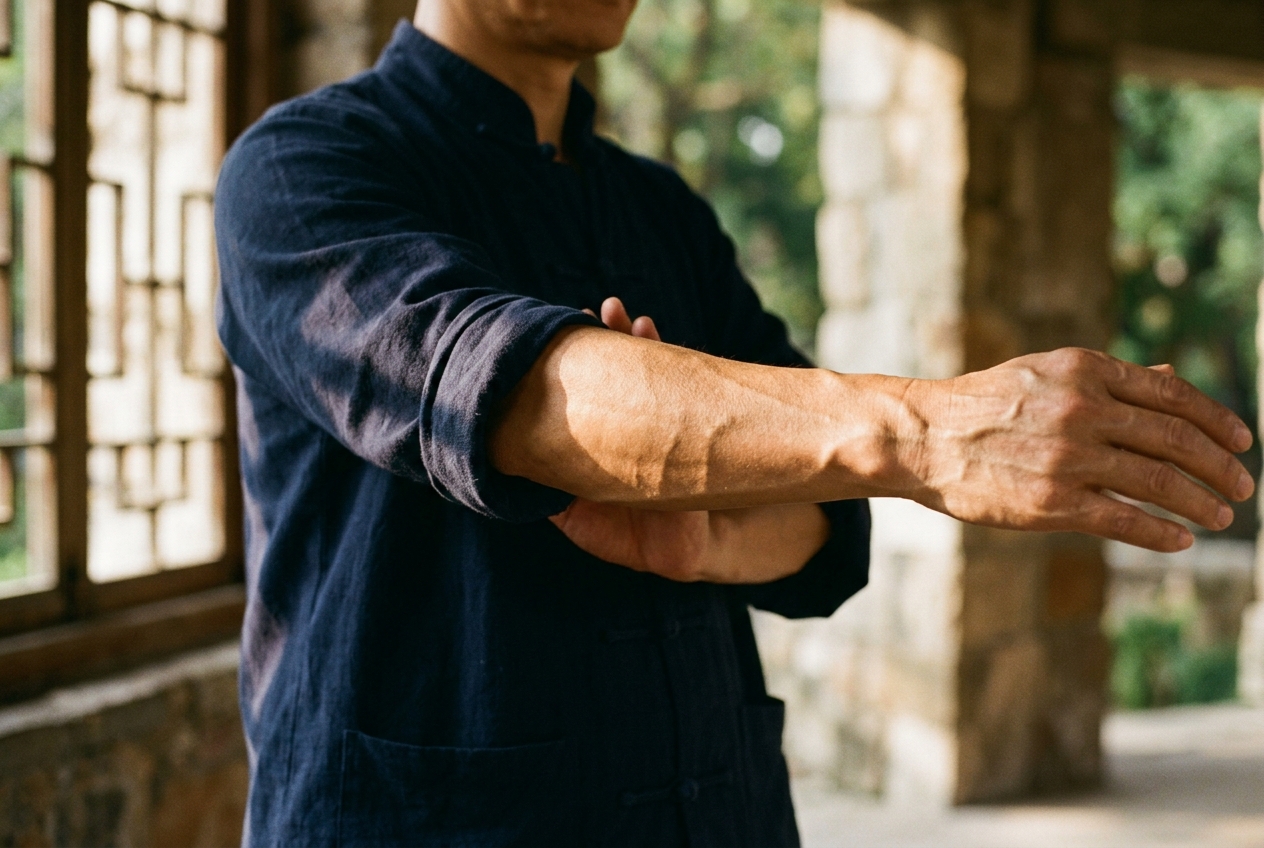
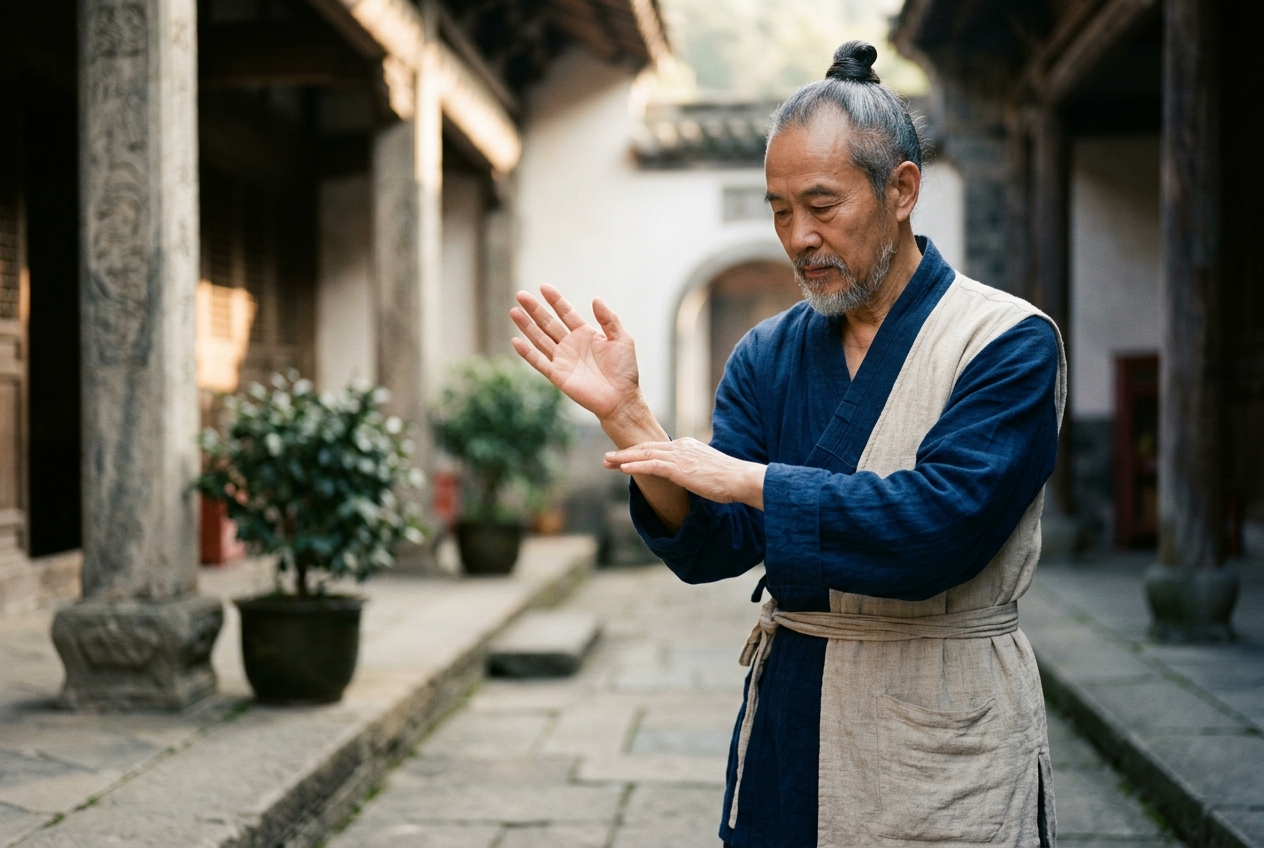
Stand up from wherever you are, or sit tall at the edge of your chair with an erect, unweighted spine. Allow your arms to hang naturally at your sides, letting the weight of your elbows draw the shoulder blades down toward your sacrum. Take three slow, unforced inhalations through your nose, guiding the breath down into the lower abdomen beneath your navel. Now, without stiffening your fingers, slowly raise your left forearm until the wrist is level with your solar plexus. Turn the palm gently toward the floor, and lightly place the fingertips of your right hand along the inner crease of your left wrist, directly in the depression on the thumb side, just lateral to the prominent tendon.

⚡ 11,316 Tokens • $0.00 Cost
Taixi Cavity Supreme Stream: Medial Malleolar Fascial Decompression, Renal Essence Anchoring, and Calcaneal Kinetic Rooting in Classical Neigong
TCM QIGONG & ENERGY MOVEMENT

Taixi Cavity Supreme Stream: Medial Malleolar Fascial Decompression, Renal Essence Anchoring, and Calcaneal Kinetic Rooting in Classical Neigong

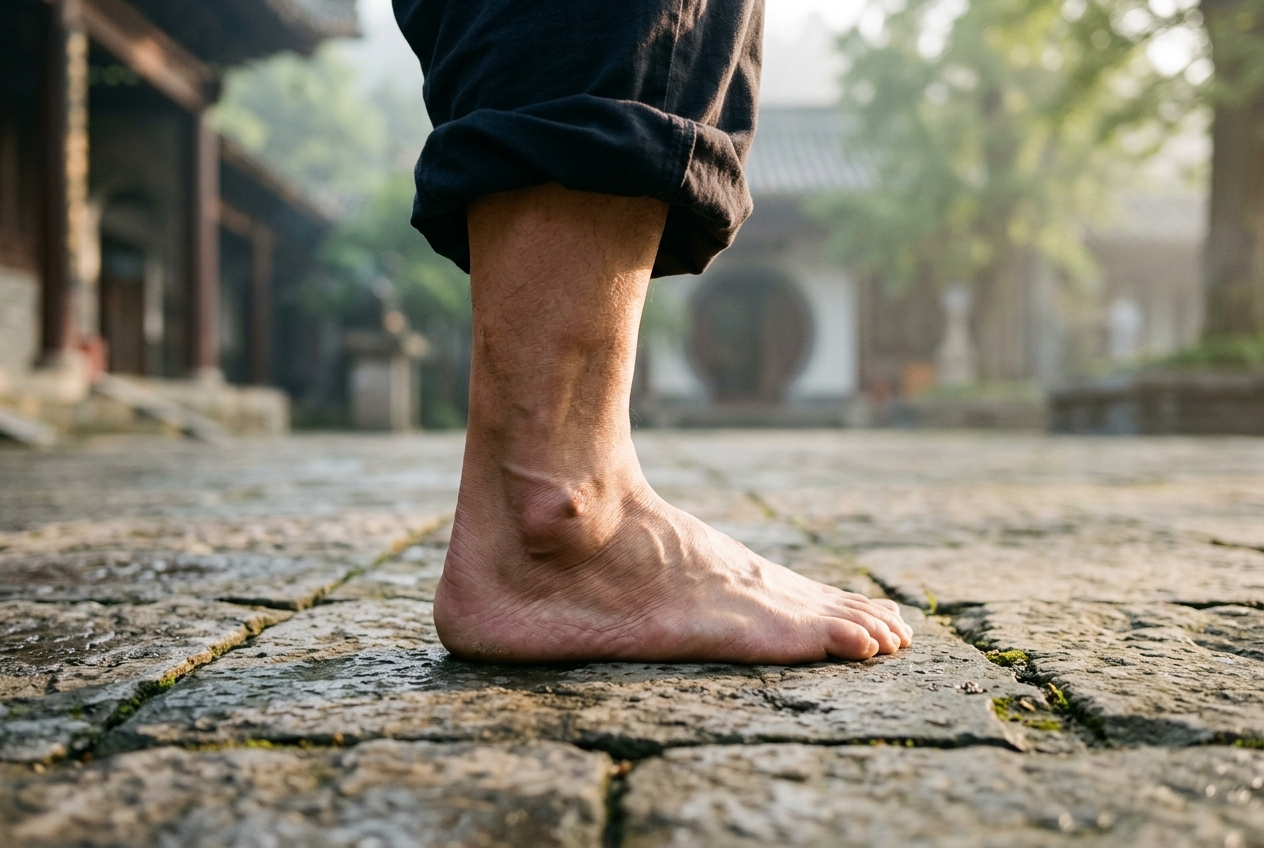
In the classical traditions of Daoist internal cultivation (*Neigong*) and standing meditation (*Zhan Zhuang*), the human body is understood not as a rigid scaffolding of compressed bones held together by clenched muscles, but as an elastic, fluid architectural web. At the heart of this physical art lies a deceptively simple discipline: learning how to stand without collapsing into the joints, allowing ground reaction forces and physiological fluids to circulate freely. Central to this structural freedom is the conscious opening of a specific anatomical cavity on the inner ankle known in Traditional Chinese Medicine as *Taixi* (太溪, KI3), translated literally as the "Supreme Stream" or "Great Ravine."

⚡ 6,969 Tokens • $0.00 Cost
Taichong Cavity Supreme Surge: Intermetatarsal Fascial Decompression, Hepatic Qi Regulation, and Distal Lower-Limb Kinetic Grounding in Classical Neigong
TCM QIGONG & ENERGY MOVEMENT

Taichong Cavity Supreme Surge: Intermetatarsal Fascial Decompression, Hepatic Qi Regulation, and Distal Lower-Limb Kinetic Grounding in Classical Neigong

At its core, working with the *Taichong* point is a systematic method of releasing chronic tension stored along the inner leg, pelvis, and diaphragm by stimulating a specific neurovascular gateway on the top of the foot. In the lexicon of somatic movement and Classical Chinese Medicine, this point is designated as Liver 3 (LV3), situated on the Foot *Jueyin* Liver channel. Rather than viewing the body as a collection of isolated muscles and joints, this discipline treats the human form as an integrated, continuous web of living tissue where distal anchor points govern central physiological states.

⚡ 7,082 Tokens • $0.00 Cost
Song Yao Relaxing the Waist: Lumbosacral Lordosis Flattening, Thoracolumbar Fascial Tensegrity, and Core Kinetic Transmission in Classical Neigong
TCM QIGONG & ENERGY MOVEMENT

Song Yao Relaxing the Waist: Lumbosacral Lordosis Flattening, Thoracolumbar Fascial Tensegrity, and Core Kinetic Transmission in Classical Neigong

At its simplest, *Song Yao* (松腰) is the deliberate release and functional flattening of the lower back, allowing the spine to decompress and hang like a flexible suspension bridge rather than a rigid, compressed pillar. Instead of arching your lower spine and clenching your lower back muscles to hold yourself upright, you relax those hyper-tight muscles, allowing your pelvis to act as a buoyant hydraulic shock absorber. Once the lower back releases its chronic grip, practitioners describe a profound sensation of structural lightness above and rooted stability below—an embodied state where physical movement ceases to be driven by localized muscle strain and is instead steered effortlessly from the body's true kinetic center.

⚡ 6,958 Tokens • $0.00 Cost
Shimen Cavity Stone Gate: Infraumbilical Fascial Decompression, Triple Burner Mu Dynamics, and Lower Dantian Energetic Sealing in Classical Neigong
TCM QIGONG & ENERGY MOVEMENT

Shimen Cavity Stone Gate: Infraumbilical Fascial Decompression, Triple Burner Mu Dynamics, and Lower Dantian Energetic Sealing in Classical Neigong

Stand up from wherever you are right now. Place your bare feet flat against the floor, exactly shoulder-width apart, and let your knees soften until they unlock. Allow your tailbone to sink gently toward the earth as if you were resting against a high barstool, and let both arms hang completely loose by your sides. Close your eyes halfway, relax your jaw, and breathe naturally through your nose. Now, place your left palm flat over your lower abdomen, resting the middle finger two inches—roughly three finger-widths—directly below your belly button. As you draw your next breath in, do not puff your chest upward; instead, feel the subtle mechanical resistance beneath your fingertips. Notice the subtle density, tightness, or hollow coolness residing in this precise geographic center of your hypogastrium. That dense physical junction beneath your fingers is known in classical somatic lineages as the *Stone Gate* (*Shimen*, 石門), and the tension you feel there is the starting point for unlocking systemic vitality, interstitial fluid circulation, and deep core stability.

⚡ 9,467 Tokens • $0.00 Cost
← Previous Page Page 3 / 11 Next Page →