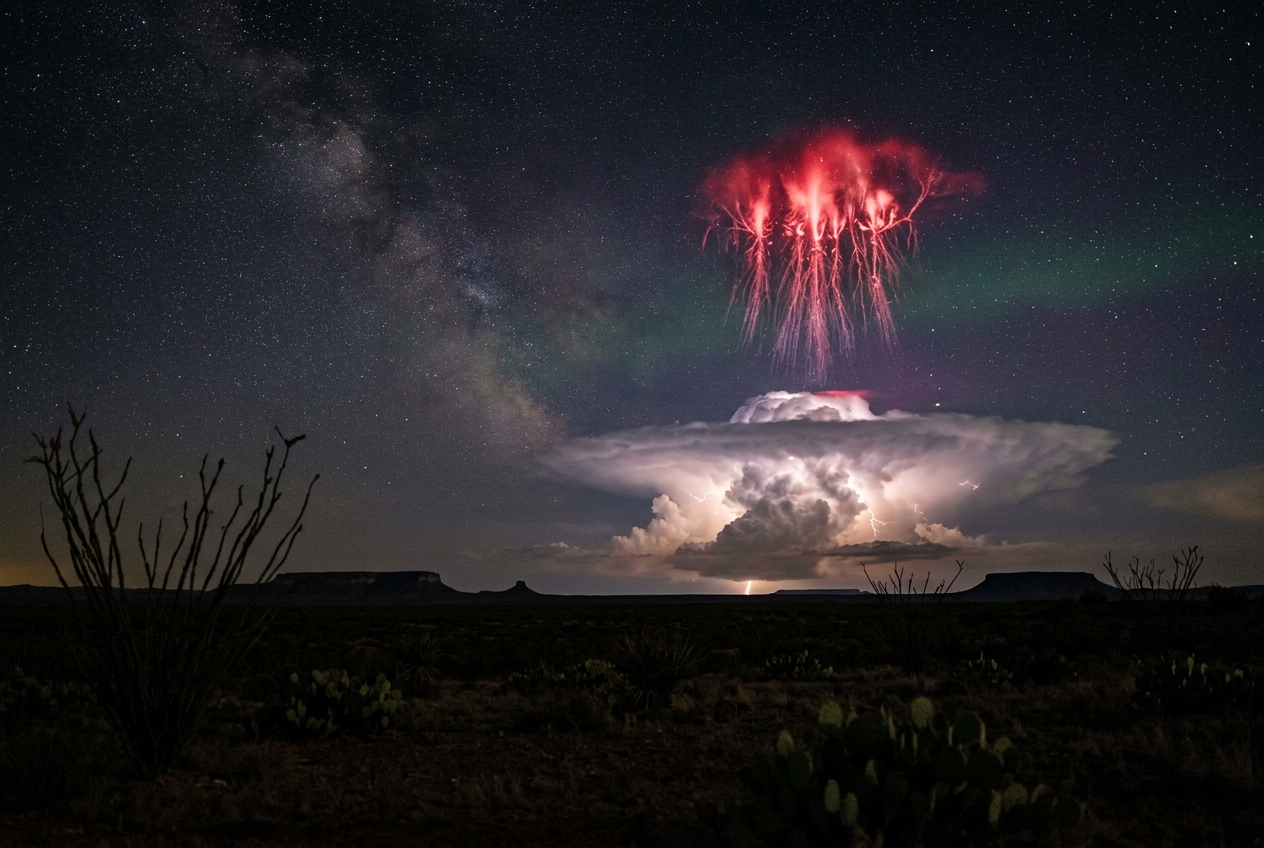
Transient Luminous Events & Red Sprite Dynamics: How Massive Positive Discharges and Mesospheric Dielectric Breakdown Ignite High-Altitude Glows
**METEOROLOGY & UPPER-ATMOSPHERIC PHYSICS**
# The Architecture of Light: How Molecular Collisions and Suspended Dust Paint the Sky
### OPTICAL METEOROLOGY
### ATMOSPHERIC SCIENCE & EXTREME METEOROLOGY
### COASTAL HYDRODYNAMICS & MESOSCALE METEOROLOGY
### METEOROLOGY & HIGH-LATITUDE DYNAMICS
### METEOROLOGY / SYNOPTIC DYNAMICS
*ATMOSPHERIC DYNAMICS & UPPER-ATMOSPHERE MICROPHYSICS*
### ATMOSPHERIC DYNAMICS & SYNOPTIC TELECONNECTIONS
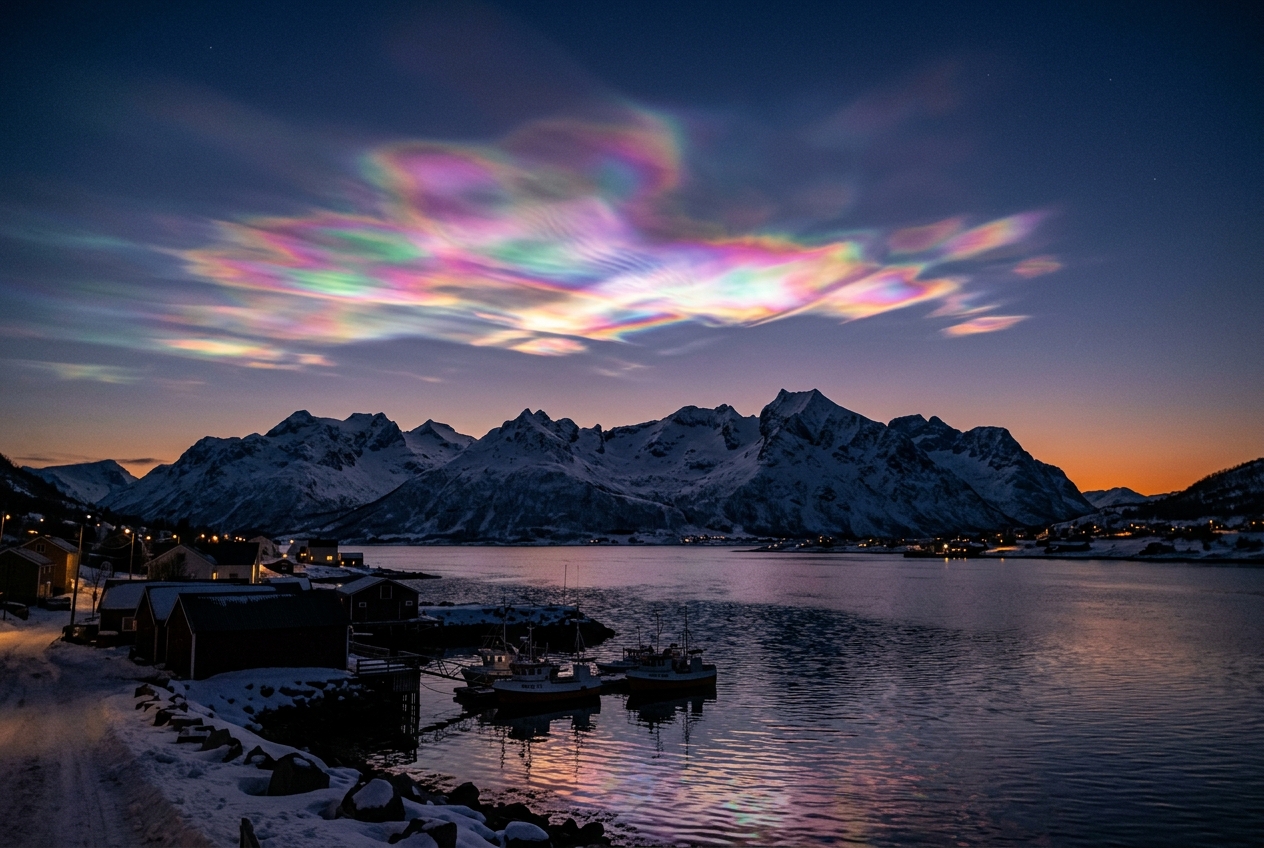
## Polar Stratospheric Clouds: The Geometry, Thermodynamics, and Chemical Catalysis of Winter Twilight Iridescence
### ATMOSPHERIC DYNAMICS & PLANETARY HEAT ENGINES
### METEOROLOGICAL PHYSICS | THE FLUID EARTH
### METEOROLOGY & MESOSCALE DYNAMICS
## METEOROLOGY MASTERCLASS | CHAPTER XII
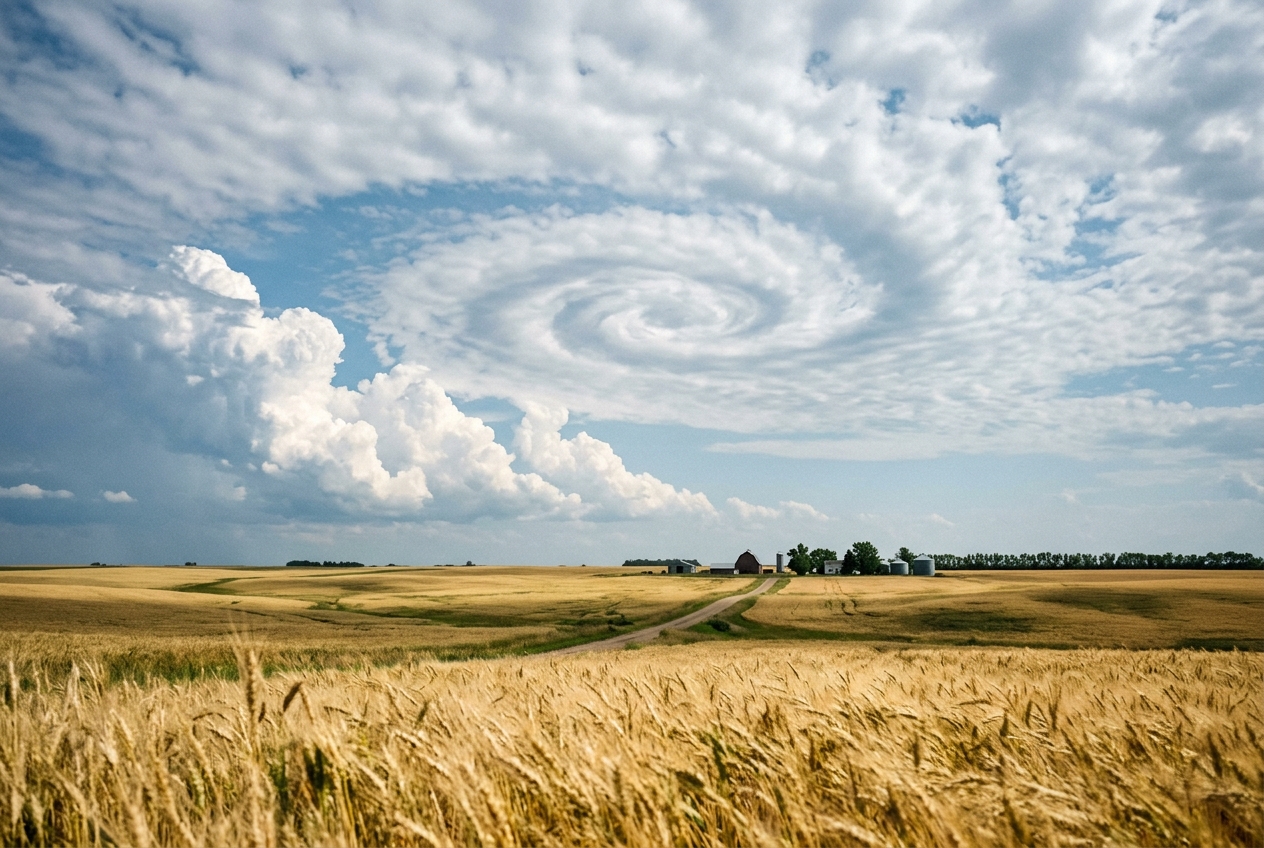
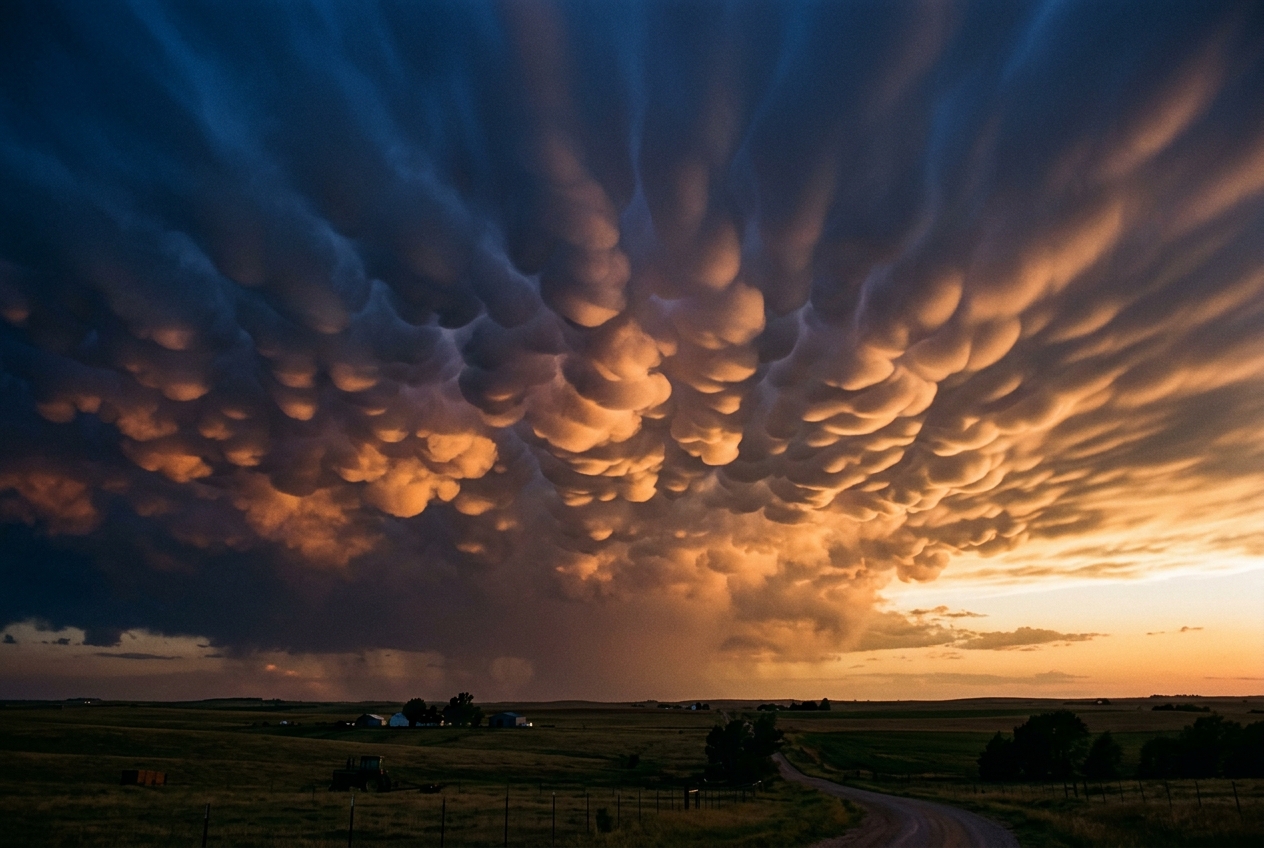
The air over the high plains shifts with an abrupt, electric weight. Minutes ago, the landscape was scorched by late-afternoon heat, smelling of baked wheat and sun-cured asphalt; now, a sharp drop of ten degrees arrives on an easterly breeze. Overhead, the sun descends toward the horizon, its blinding white daylight softening into rich amber and bruised copper. Then, looking straight up into the sprawling underbelly of a departing thunderstorm’s anvil, the sky undergoes a transformation that defies our deepest instincts about how the atmosphere behaves.
### METEOROLOGY & ATMOSPHERIC DYNAMICS
### By Dr. Alistair Vance | Atmospheric Microphysics Long-Read
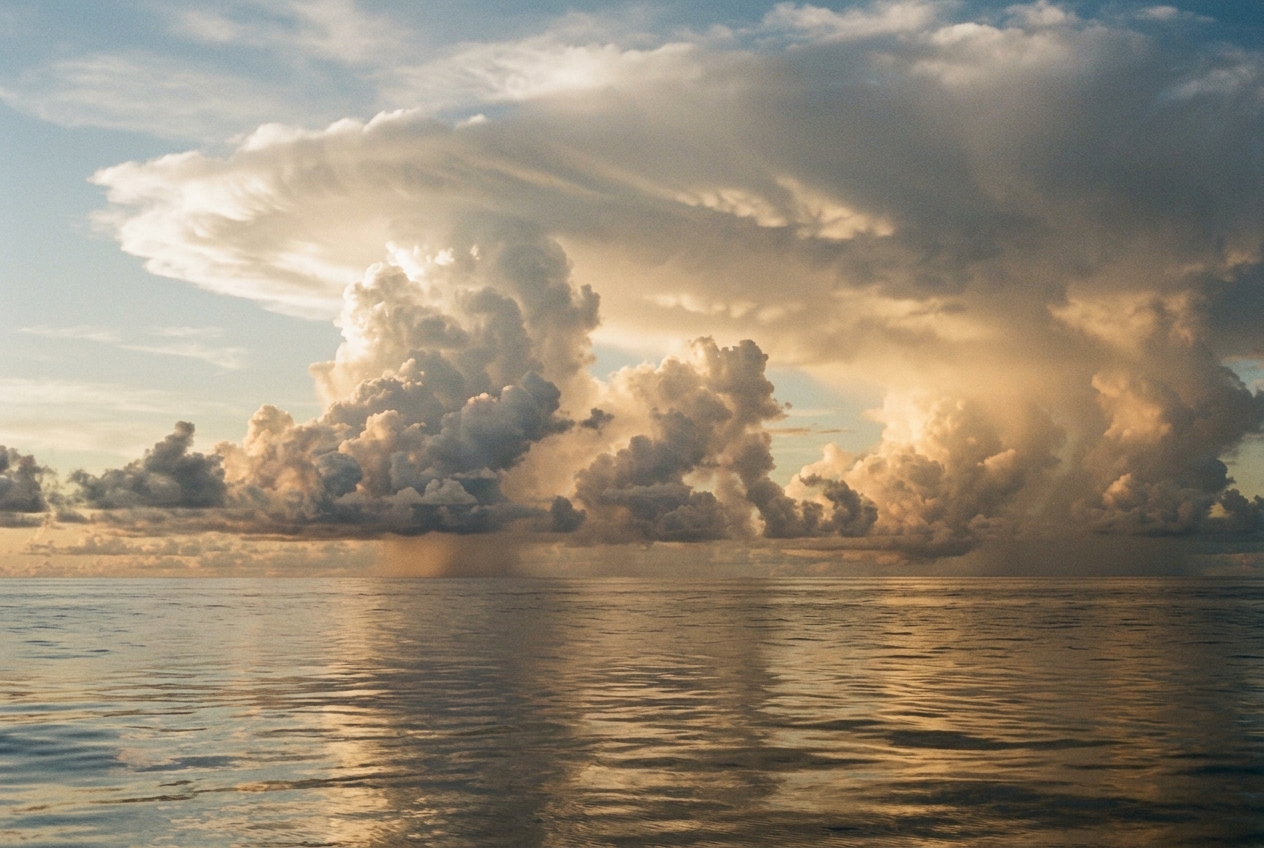
For five continuous days, your wooden hull has sliced cleanly through the Atlantic at eight knots, carried south-southwest by the unwavering hum of the northeast trade winds. The trade winds are the steady metronome of open-ocean sailing: stiff, reliable, carrying the dry coolness of the subtropics over deep cobalt swells. Then, somewhere near five degrees north of the equator, the world changes with eerie suddenness.
### METEOROLOGY & FLUID DYNAMICS
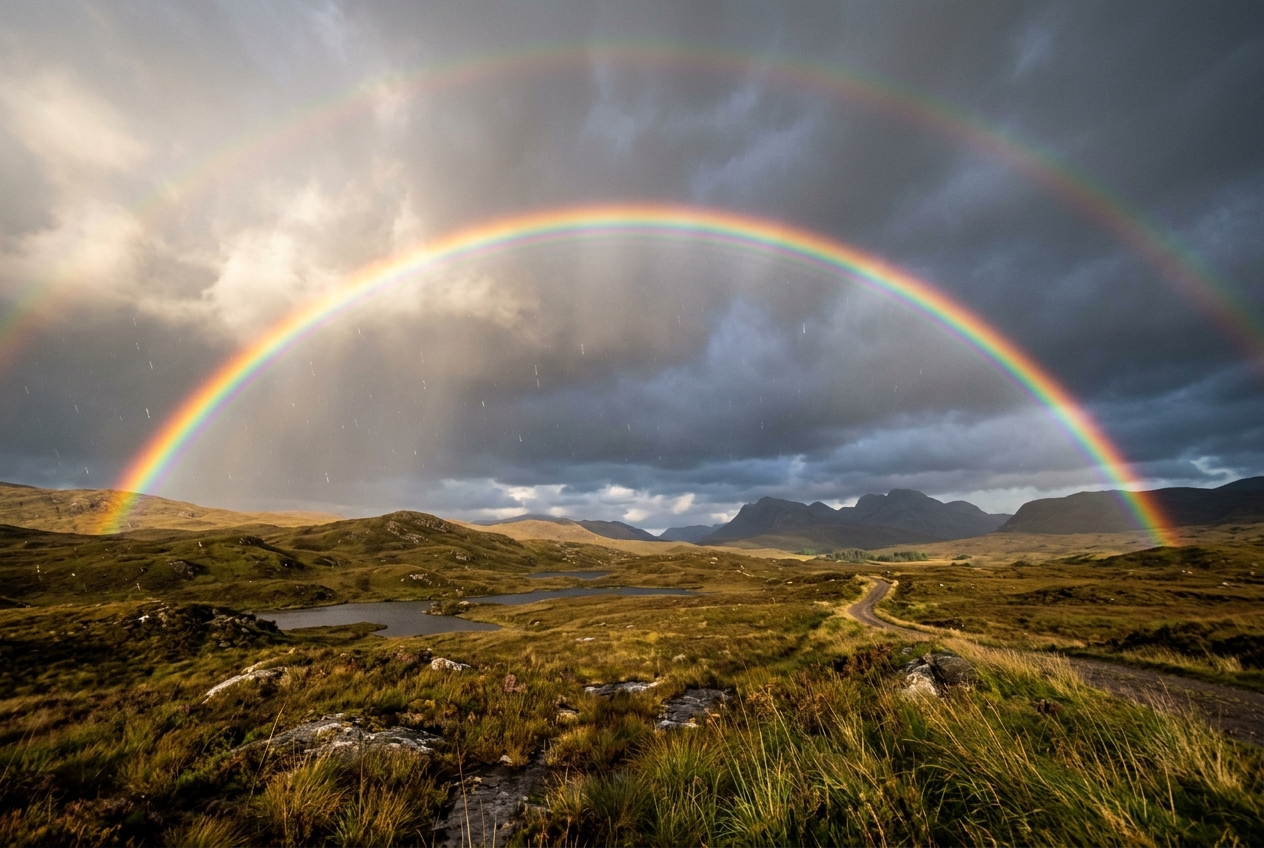
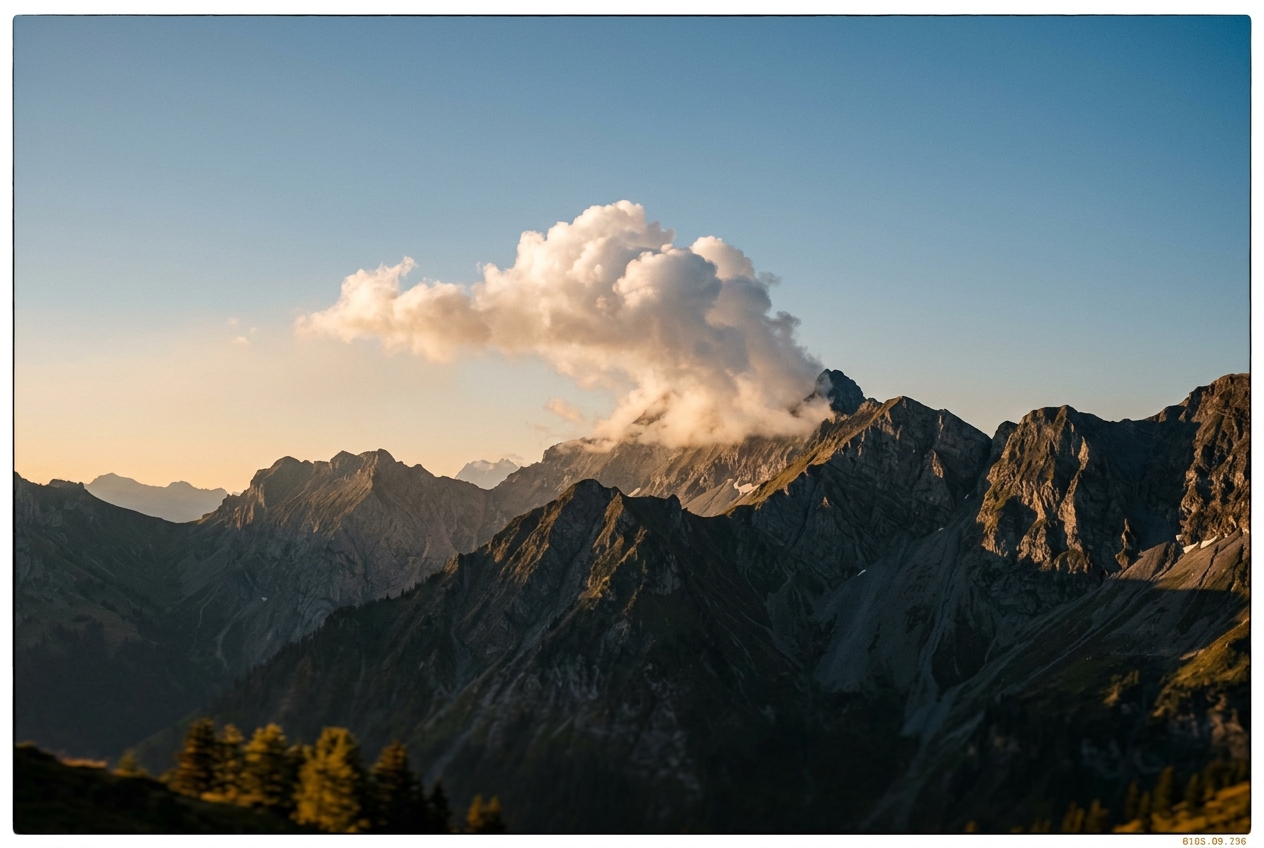
A biting late-November wind cuts across the exposed granite ridges of Cairn Gorm. The heather beneath your boots crunches with brittle frost, but the air around you feels deceptively still for a few fleeting minutes. Looking south-west across the glen, the horizon is no longer clear; a bruised, slate-grey curtain of cloud is steadily swallowing the distant peaks. You can smell the sharp, metallic tang of impending precipitation—that clean, damp scent of ozone and chilled mineral earth that heralds a sudden front.