Powernews Section Archive

TCM Qigong & Energy Movement Archive

Page 6 of 11
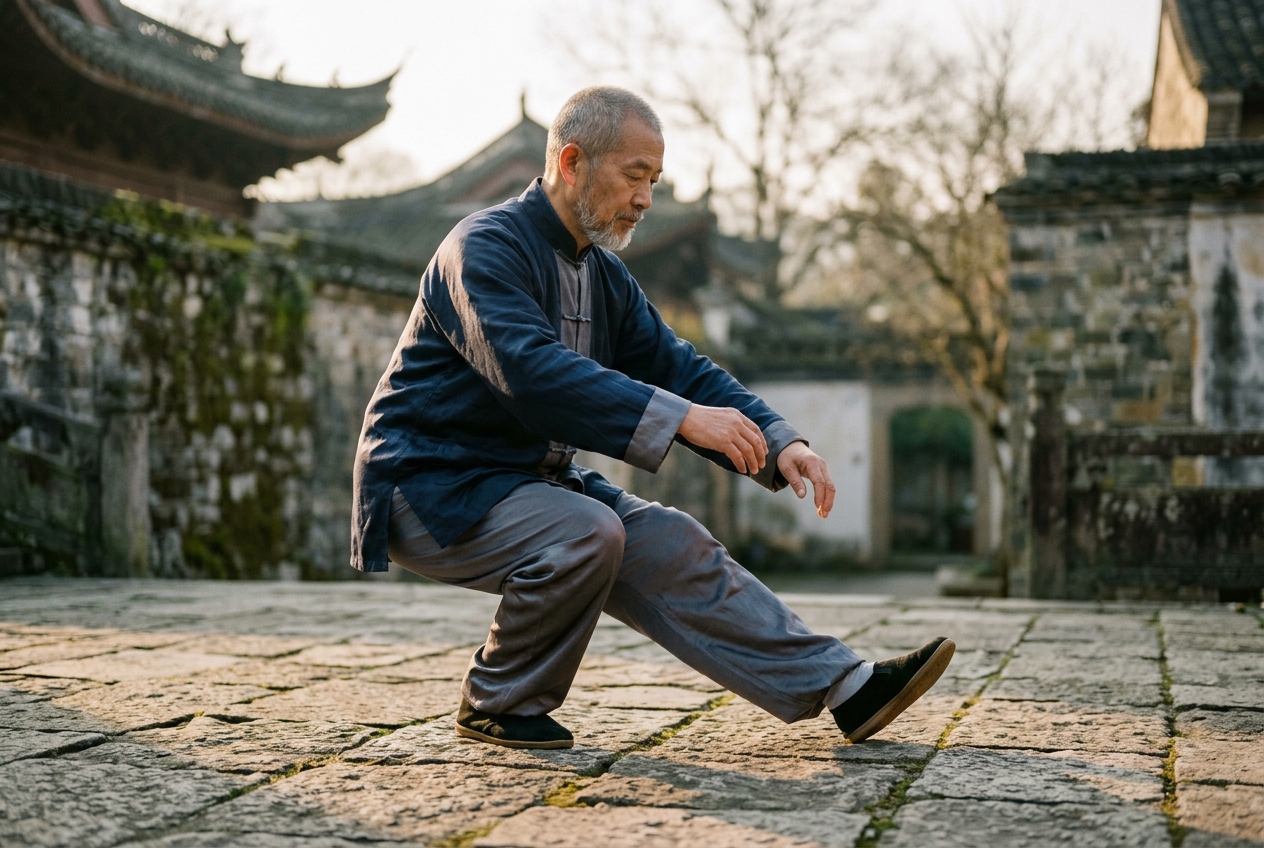
Mao Bu Cat Step Qigong: Eccentric Quadriceps Deceleration, Plantar Proprioceptive Rooting, and Pelvic Tensegrity in Classical Daoyin
TCM QIGONG & ENERGY MOVEMENT

Mao Bu Cat Step Qigong: Eccentric Quadriceps Deceleration, Plantar Proprioceptive Rooting, and Pelvic Tensegrity in Classical Daoyin

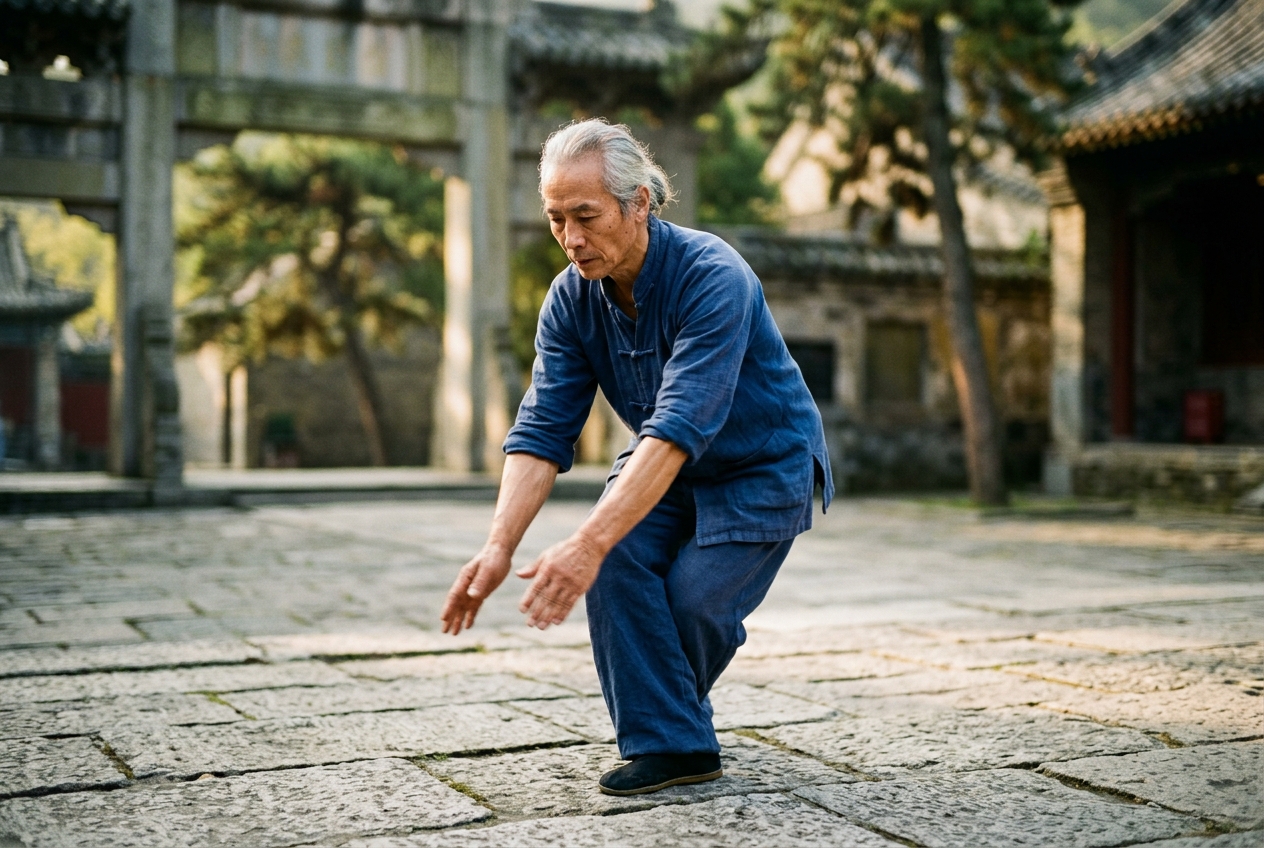
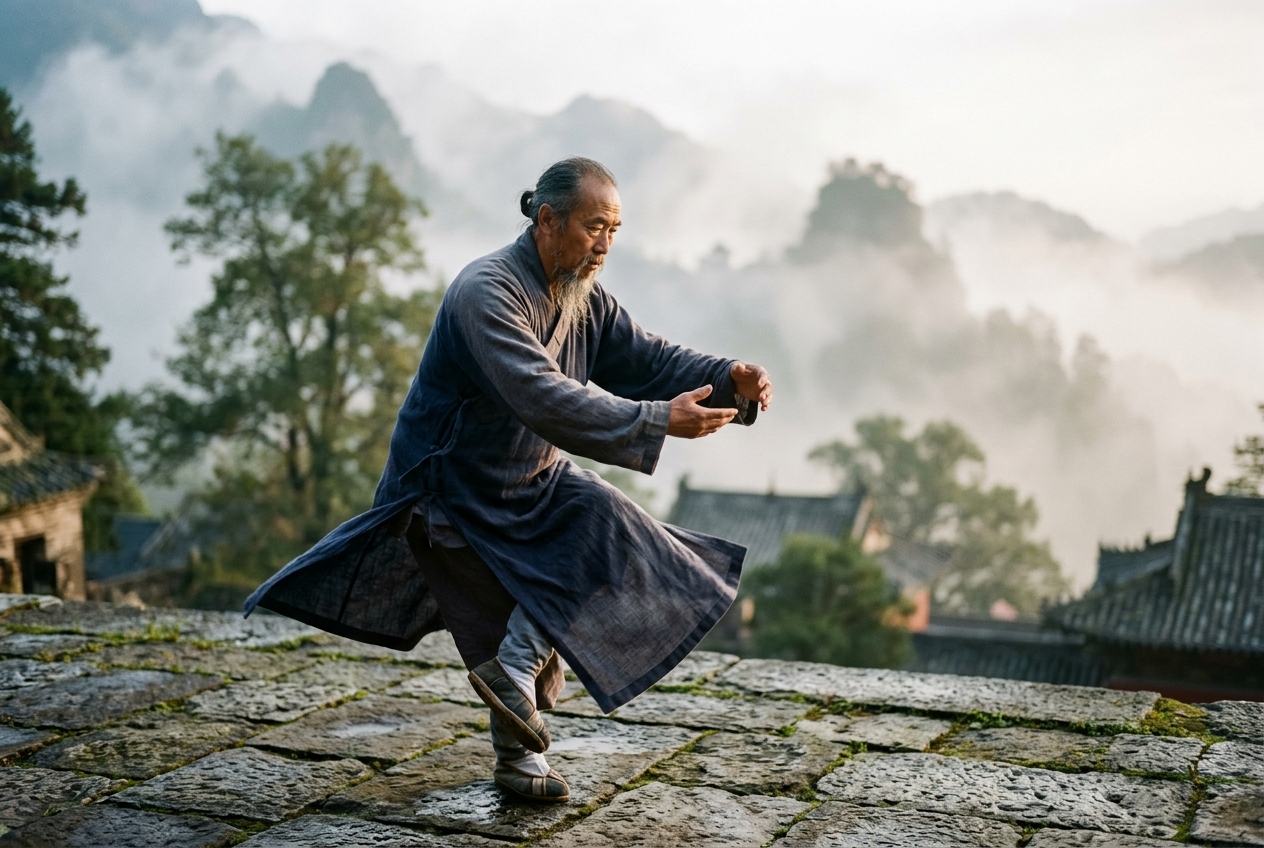
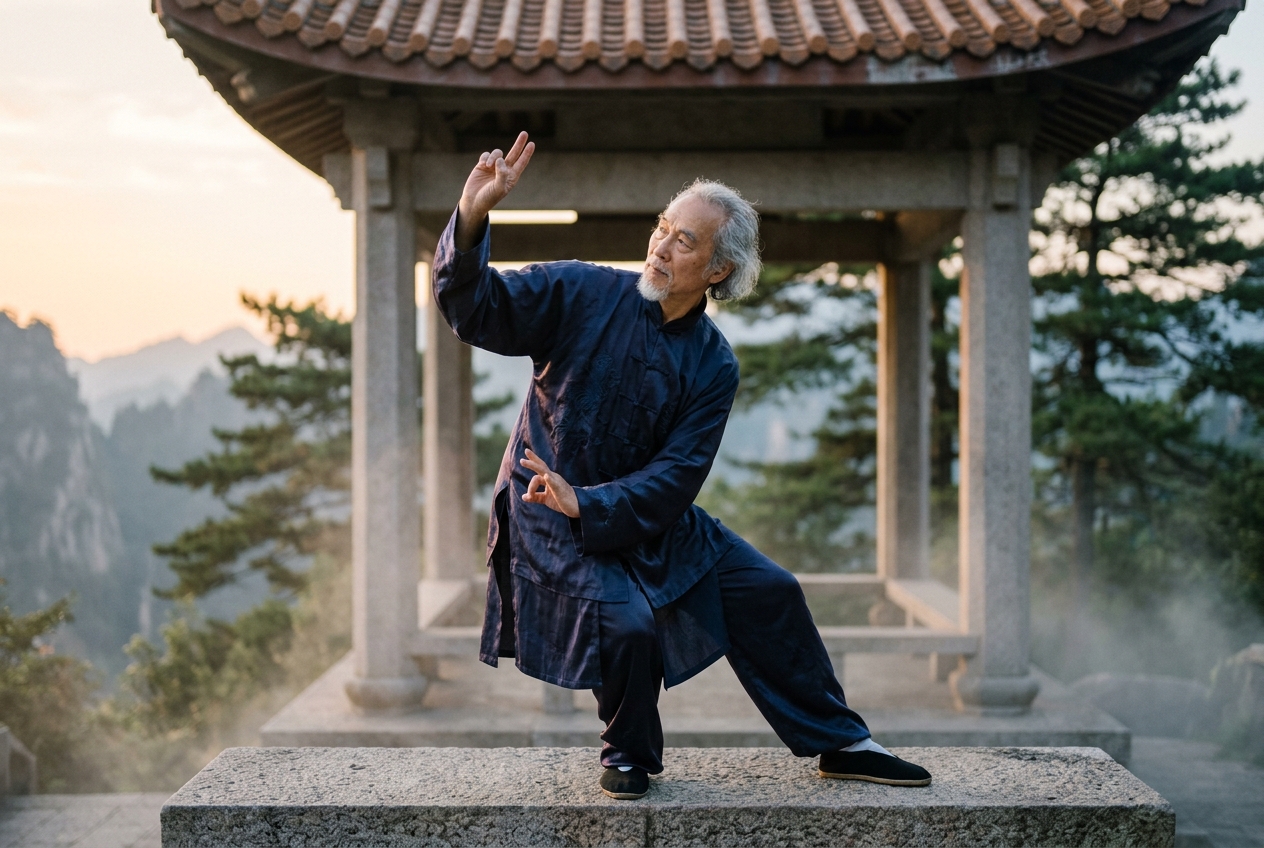
At its foundational level, Mao Bu (迈步如猫行, *mai bu ru mao xing*), literally translated as "stepping like a cat," is a classical movement discipline that trains the human body to achieve completely silent, shockwave-free locomotion through total control of physical weight. In modern biomechanical terms, it is a method of conscious, single-leg weight bearing where one limb supports the entirety of the body's mass while the other limb reaches, probes, and articulates across the floor without carrying any load until the foot is fully positioned.

⚡ 8,288 Tokens • $0.00 Cost
Du Li Bu Single-Leg Stance Qigong: Unilateral Pelvic Stabilization, Plantar Proprioceptive Rooting, and Vestibular Neuromuscular Calibration in Classical Daoyin
TCM QIGONG & ENERGY MOVEMENT

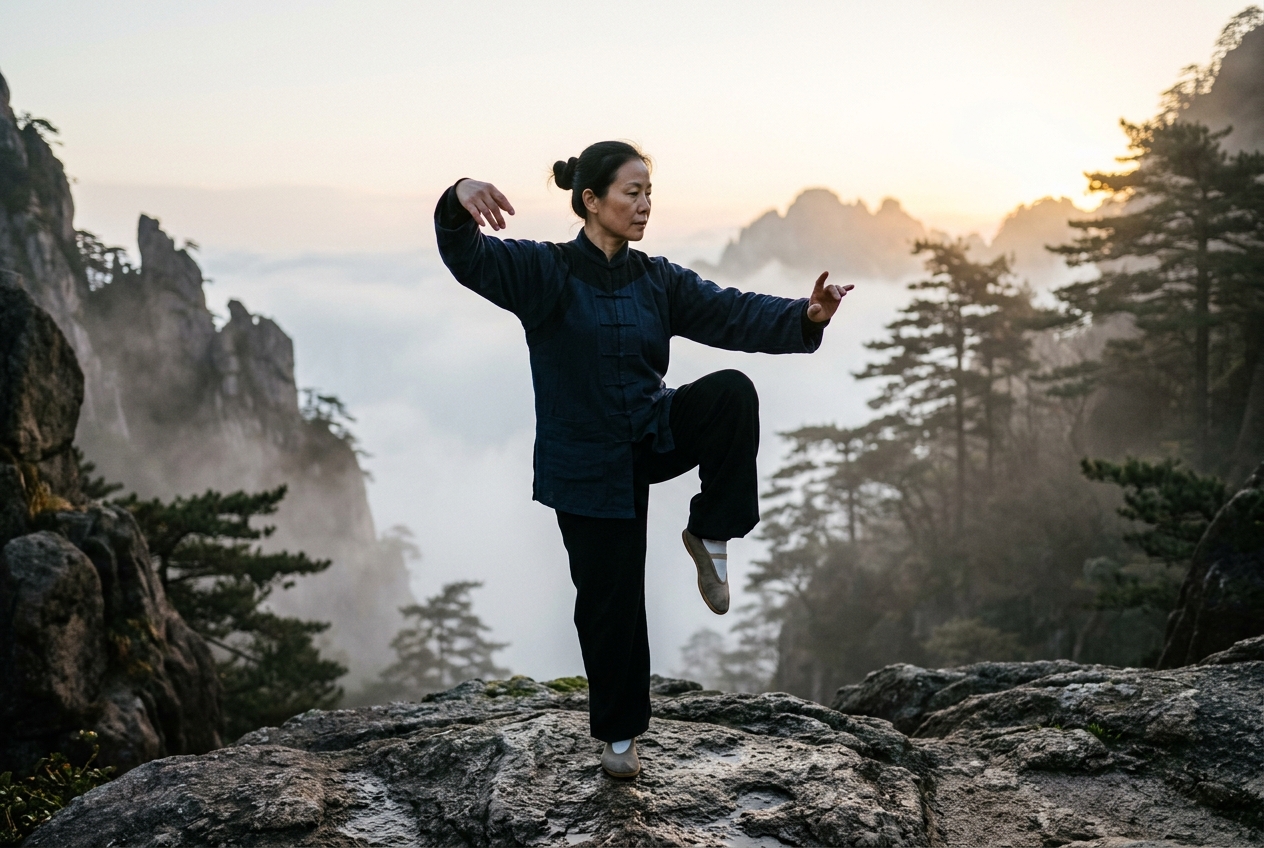
Du Li Bu Single-Leg Stance Qigong: Unilateral Pelvic Stabilization, Plantar Proprioceptive Rooting, and Vestibular Neuromuscular Calibration in Classical Daoyin

In the classical movement arts of China, this unilateral posture is known as *Du Li Bu* (独立步), translating literally as "Single-Leg Stance" or "Independent Step." At its most fundamental level, *Du Li Bu* is the deliberate art of standing motionless on a single leg while cultivating total internal relaxation, vertical spinal integrity, and a rooted energetic connection to the earth. Rather than viewing balance as a rigid, static freeze, this practice approaches equilibrium as a dynamic, continuous wave of micro-adjustments flowing between the crown of the head and the sole of the foot.

⚡ 7,907 Tokens • $0.00 Cost
Cai Jin Pluck Force: Abrupt Gravitational Shearing, Helical Fascial Snapping, and Downward Kinetic Rooting in Classical Neigong
TCM QIGONG & ENERGY MOVEMENT

Cai Jin Pluck Force: Abrupt Gravitational Shearing, Helical Fascial Snapping, and Downward Kinetic Rooting in Classical Neigong

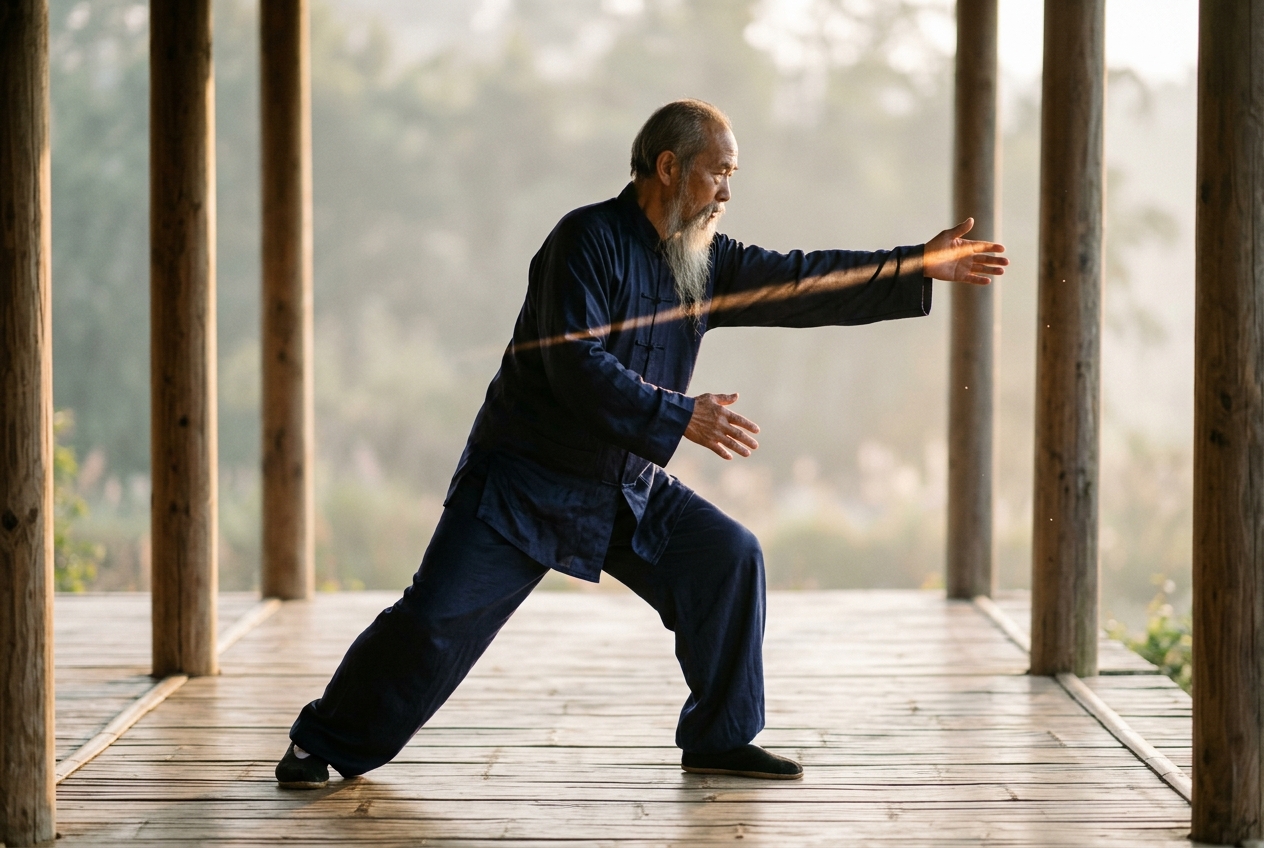
At its core, *Cai Jin* is the art of borrowing gravity to produce an instantaneous, downward-spiraling snap that unbalances an opposing force or decompresses the human spine. Instead of pulling an object with the muscles of the arms and shoulders—which is slow, metabolically expensive, and easily countered—the practitioner drops their entire body weight downward into their hip crease in a single, explosive fraction of a second. This sudden sinking stretches the connective tissue of the back and torso like a drawn bowstring, transferring that elastic energy down through the arms in a sharp, shearing vector.

⚡ 6,875 Tokens • $0.00 Cost
Lieque Cavity Broken Sequence: Brachioradial Fascial Decompression, Pulmonary Qi Dispersal, and Ren Mai Vessel Activation in Classical Neigong
TCM QIGONG & ENERGY MOVEMENT

Lieque Cavity Broken Sequence: Brachioradial Fascial Decompression, Pulmonary Qi Dispersal, and Ren Mai Vessel Activation in Classical Neigong

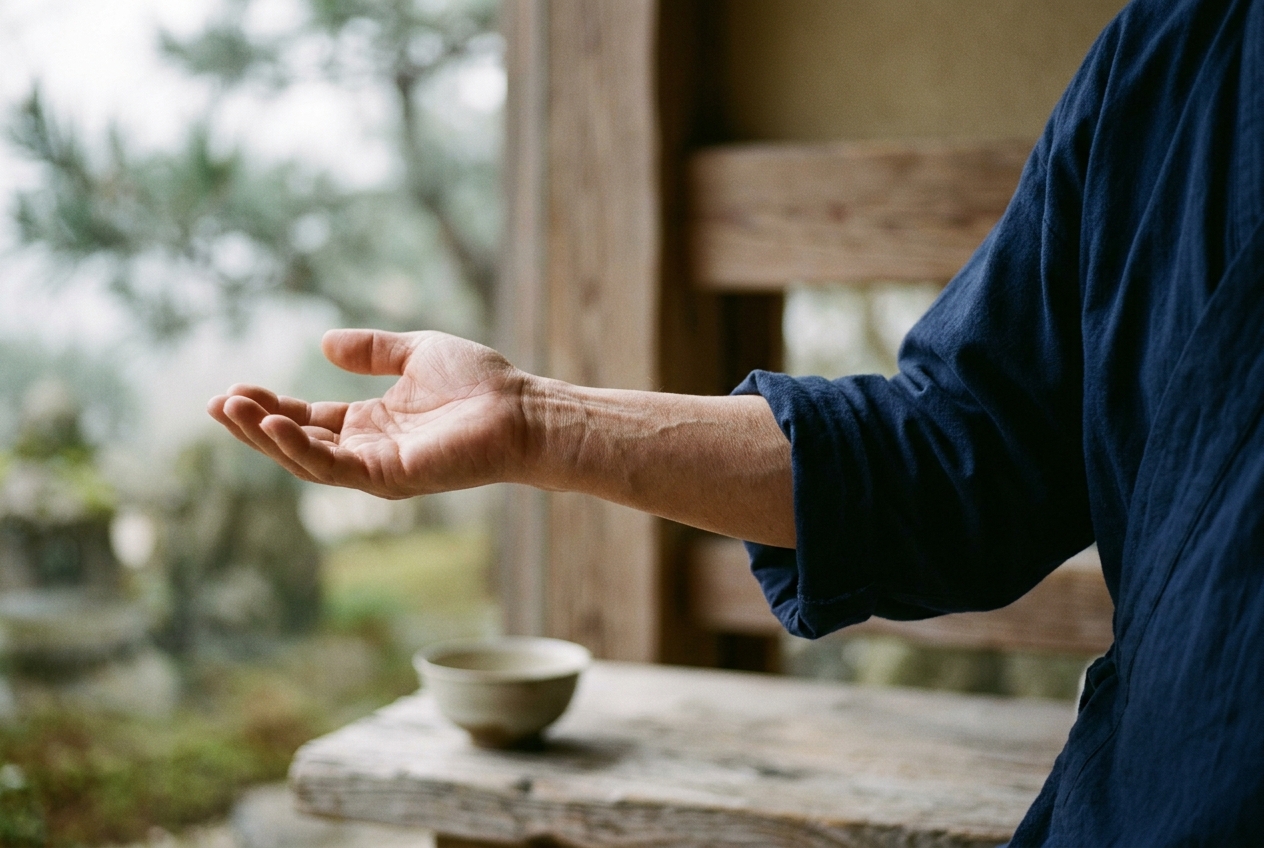
Before navigating the complex neuroanatomy and meridian theory, it is essential to understand what is occurring mechanically in everyday language. The practice focuses on opening a tight junction near your radial wrist bone—the same area chronically compressed by typing on keyboards, holding smartphones, gripping steering wheels, and holding chronic stress in the upper chest. When this area is compressed, the connective tissue sheath wrapping the forearm tightens like a twisted sleeve, pulling the shoulders inward, shortening the breath into the upper ribs, and straining the back of the neck.

⚡ 7,227 Tokens • $0.00 Cost
Ji Jin Press Force: Linear Elastic Compression, Symmetrical Myofascial Vectoring, and Concentrated Ground Reaction Projection in Classical Neigong
TCM QIGONG & ENERGY MOVEMENT

Ji Jin Press Force: Linear Elastic Compression, Symmetrical Myofascial Vectoring, and Concentrated Ground Reaction Projection in Classical Neigong

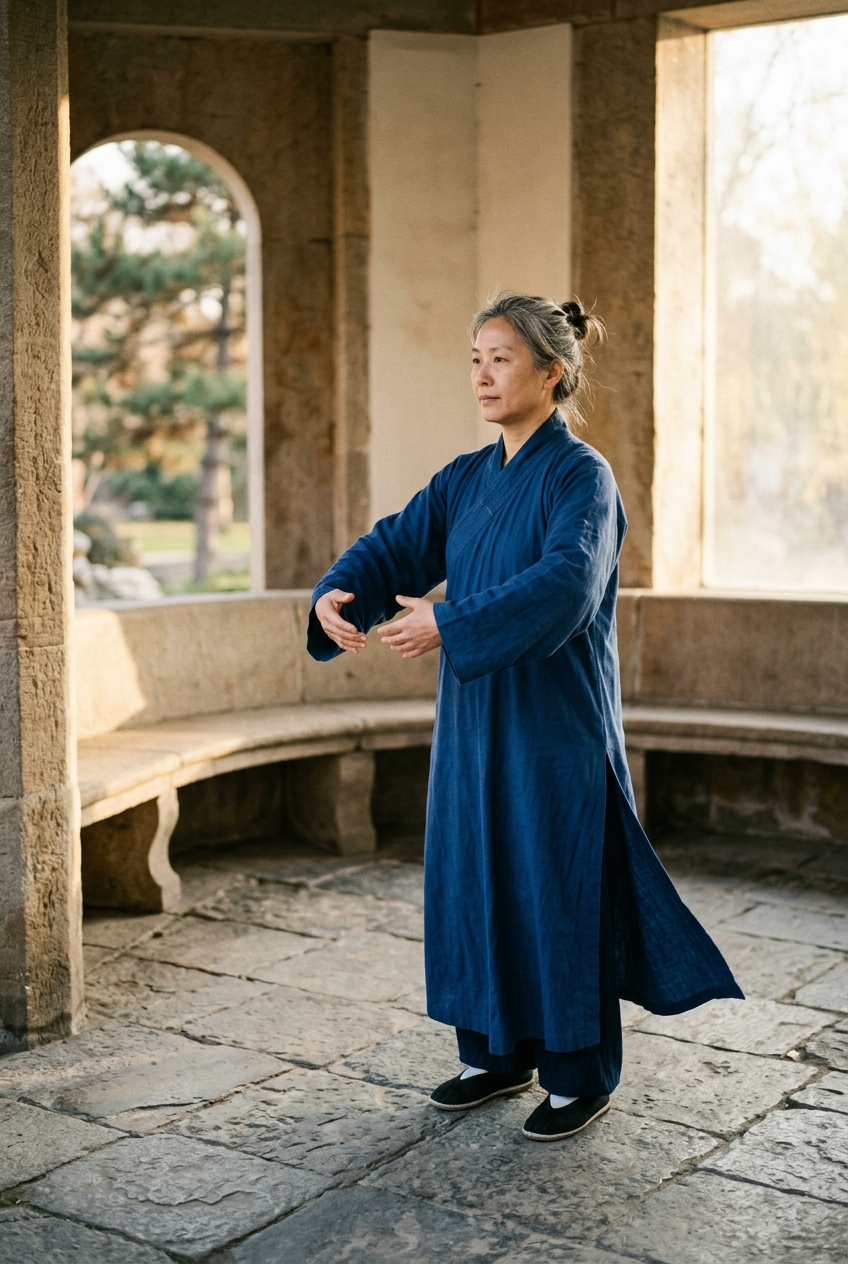
To experience the authentic mechanics of *Ji Jin* without needing a lifetime of martial training, follow this systematic foundational drill. This exercise calibrates your fascial tension, breath pressurization, and kinetic alignment from the ground up.

⚡ 6,517 Tokens • $0.00 Cost
Zuo Wang Sitting in Oblivion: Sensory Deafferentation, Cortical Quieting, and Primordial Emptiness in Classical Daoist Meditation
TCM QIGONG & ENERGY MOVEMENT

Zuo Wang Sitting in Oblivion: Sensory Deafferentation, Cortical Quieting, and Primordial Emptiness in Classical Daoist Meditation

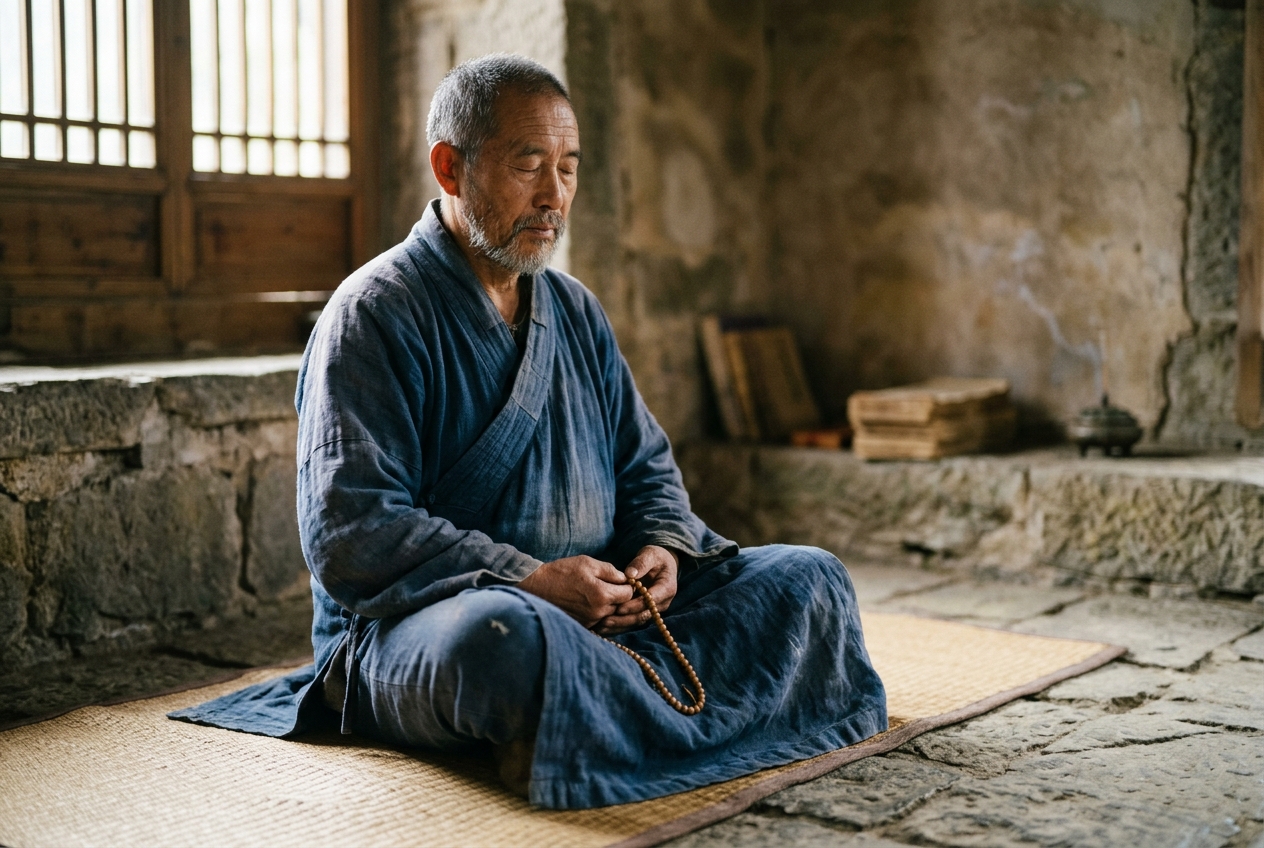
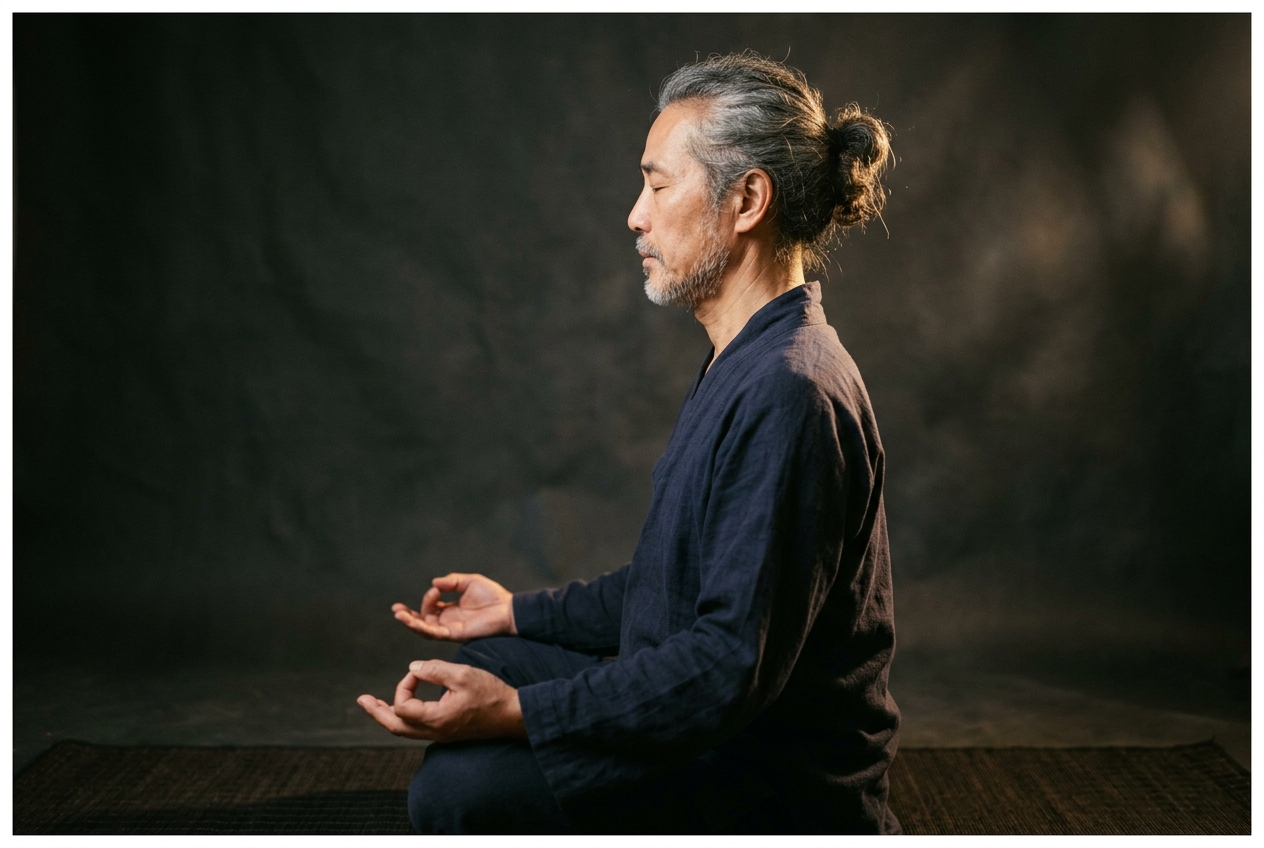
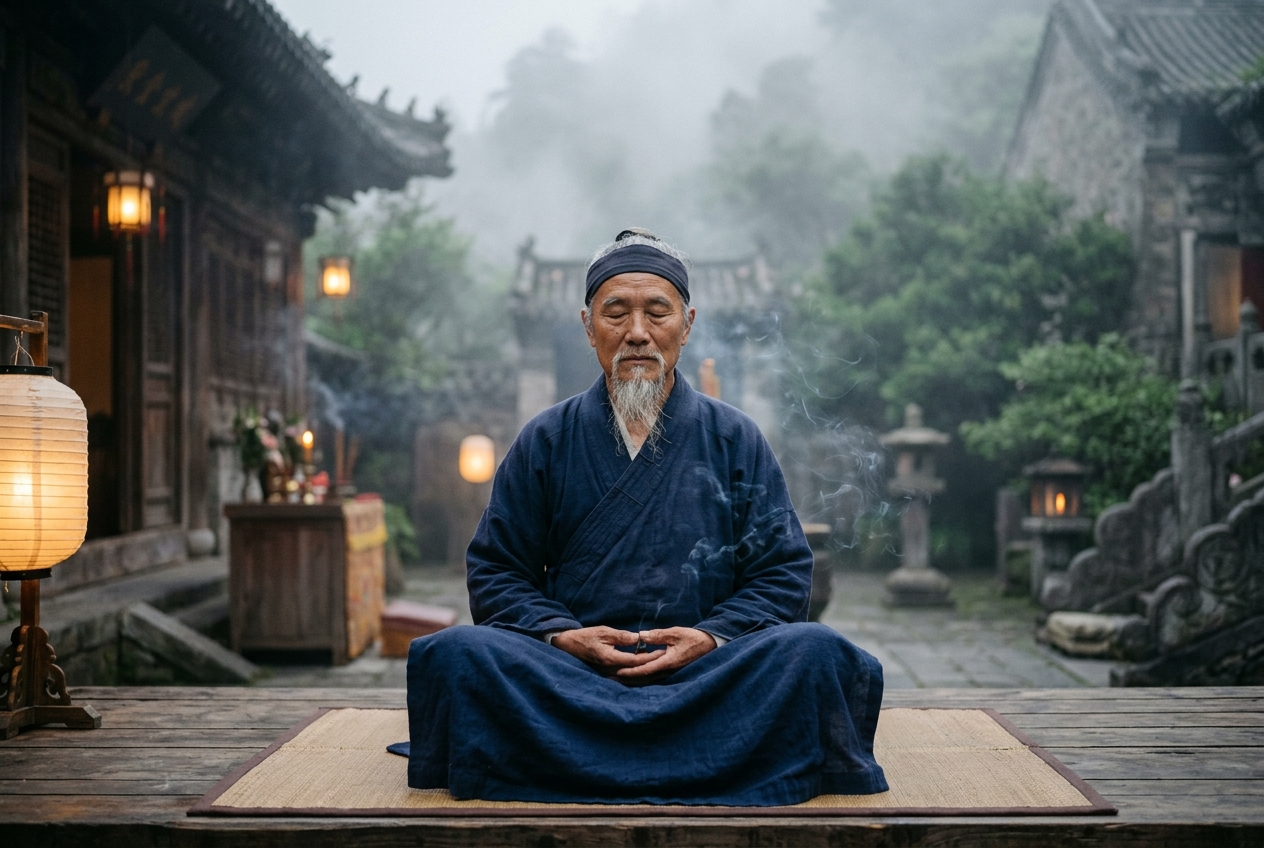
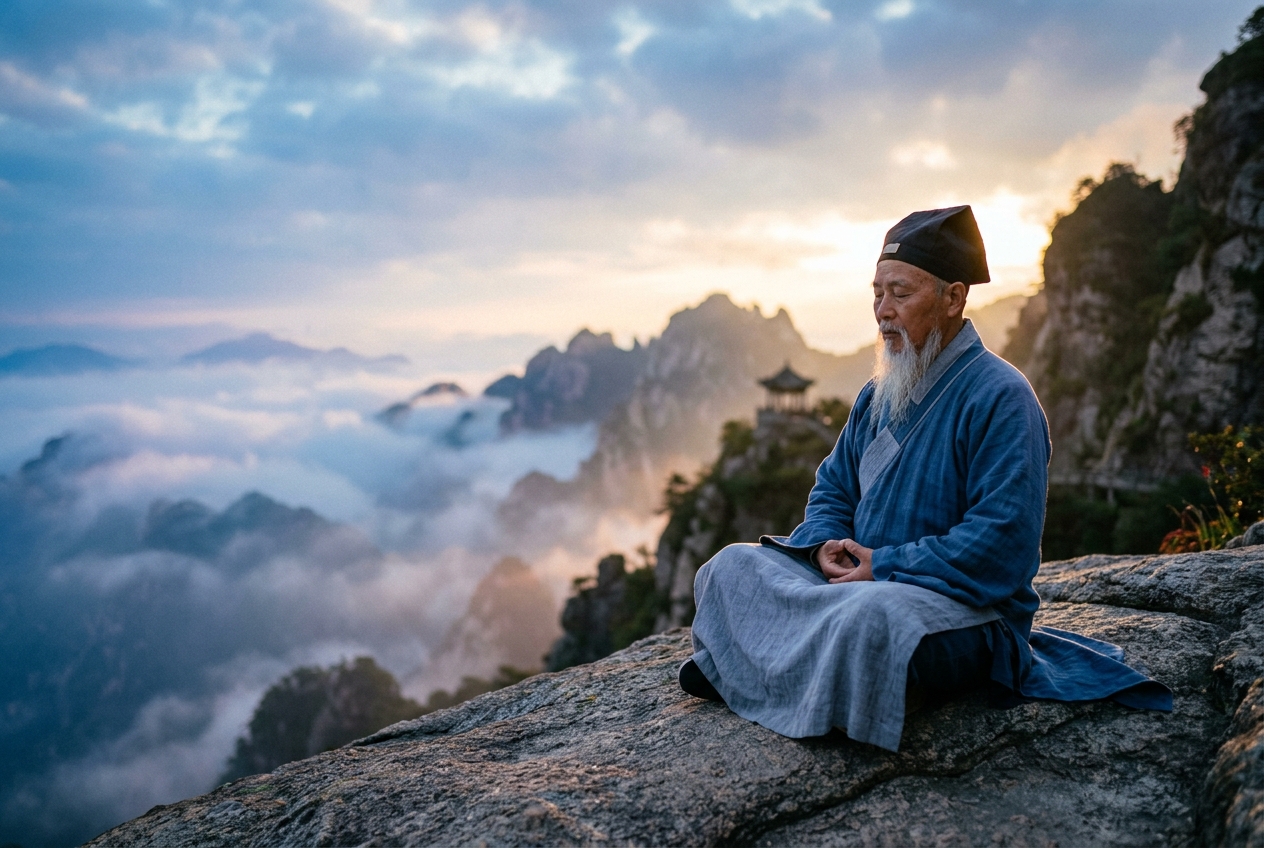
At its core, *Zuo Wang*—literally translated from Classical Chinese as "sitting and forgetting" or "sitting in oblivion"—is the radical Daoist practice of effortless, non-dual stillness. Unlike meditation styles that demand intense concentration on a single object, such as visualizing complex mandalas or counting the breath, *Zuo Wang* requires the practitioner to let go of intentional control altogether. Rather than trying to achieve a specific mental state or energetically steer internal currents through force of will, you systematically dissolve the habit of psychological clinging, allowing the busy calculating mind to settle back into its primordial, unconditioned ground of pure awareness.

⚡ 6,953 Tokens • $0.00 Cost
Zi Fa Dong Gong Spontaneous Movement Qigong: Neuro-Fascial Unwinding, Somatosensory Tremor Release, and Autonomic Meridian Regulation in Classical Daoyin
TCM QIGONG & ENERGY MOVEMENT

Zi Fa Dong Gong Spontaneous Movement Qigong: Neuro-Fascial Unwinding, Somatosensory Tremor Release, and Autonomic Meridian Regulation in Classical Daoyin

At its most fundamental level, *Zi Fa Dong Gong* (自发动功, literally "spontaneous movement energy skill") is an ancient Chinese somatic practice in which the practitioner suspends voluntary, conscious muscular control to allow the body's innate nervous system and connective tissue matrix to execute self-correcting movements. Rather than memorizing and executing rigid, choreographed sequences—such as those found in standard Tai Chi forms or conventional Calisthenic regimens—the practitioner creates specific internal conditions of deep physiological relaxation (*Song*, 放松) and structural grounding (*Wuji*, 無極). Under these conditions, the neuromuscular system initiates involuntary micro-tremors, undulating waves, circular rotations, and postural unwinding that systematically discharge stored somatic trauma, restore fascial gliding, and clear energetic blockages.

⚡ 7,773 Tokens • $0.00 Cost
Zhong Ding Central Equilibrium: Dynamic Gravitational Axis Alignment, Vestibular Neuromuscular Calibration, and Core Dantian Balance in Classical Neigong
TCM QIGONG & ENERGY MOVEMENT

Zhong Ding Central Equilibrium: Dynamic Gravitational Axis Alignment, Vestibular Neuromuscular Calibration, and Core Dantian Balance in Classical Neigong

In classical Chinese movement arts and Daoist internal cultivation (*Neigong*), this state of dynamic, effortless poise is known as *Zhong Ding* (中定), commonly translated as Central Equilibrium. Far from being a rigid, military stance of static straightness, *Zhong Ding* represents a living, responsive balance in which the human body aligns itself precisely with gravity, allowing mechanical load to transfer directly into the earth with minimal muscular exertion.

⚡ 7,548 Tokens • $0.00 Cost

Yuzhen Cavity Jade Pillow: Sub-Occipital Fascial Decompression, Cerebrospinal Fluid Hydrodynamics, and Cranial Gate Ingress in Classical Neigong
TCM QIGONG & ENERGY MOVEMENT

Yuzhen Cavity Jade Pillow: Sub-Occipital Fascial Decompression, Cerebrospinal Fluid Hydrodynamics, and Cranial Gate Ingress in Classical Neigong

At its core, the practice of opening the Jade Pillow Gate is a method of physical alignment, fascial release, and breath-directed awareness designed to liberate the compressed junction where your skull balances upon your spine. In everyday life, hours spent peering at screens, driving, and reacting to psychological stress cause the head to drift forward and tilt upward. This chronic modern pattern, known clinically as forward-head posture, pinches the delicate tissues at the base of the skull into a mechanical vice.

⚡ 7,671 Tokens • $0.00 Cost
Yintang Cavity Hall of Impression: Glabellar Fascial Decompression, Pineal-Hypothalamic Synchronization, and Shen Illumination in Classical Neigong
TCM QIGONG & ENERGY MOVEMENT

Yintang Cavity Hall of Impression: Glabellar Fascial Decompression, Pineal-Hypothalamic Synchronization, and Shen Illumination in Classical Neigong

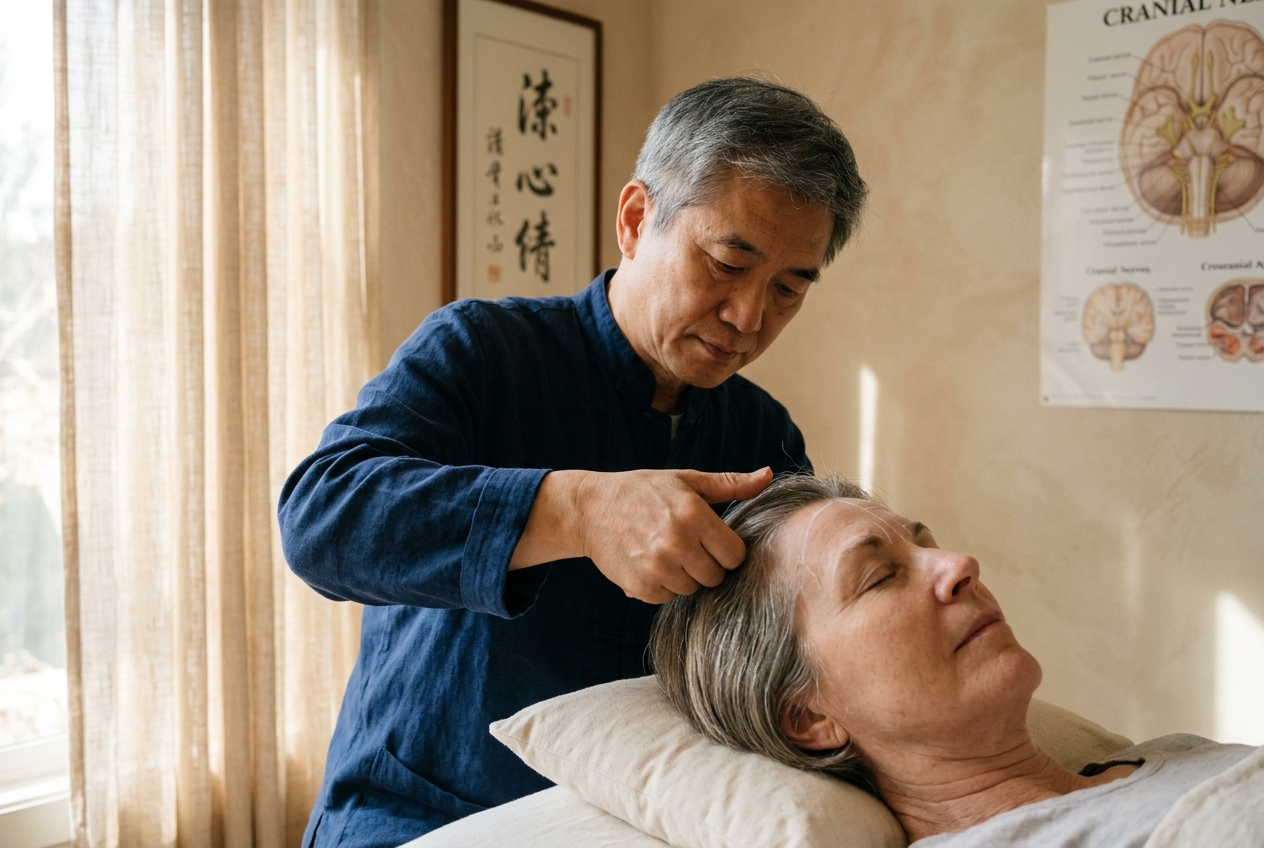
Anatomically, Yintang is localized at the glabellar midpoint between the medial extremities of the two eyebrows, directly overlying the frontonasal suture where the frontal bone meets the nasal bones. Beneath the epidermal surface lies a delicate confluence of muscular and neurovascular structures: the *procerus* muscle vertically, the medial fibres of the *corrugator supercilii* laterally, and the overarching *frontalis* belly of the epicranial aponeurosis.

⚡ 5,346 Tokens • $0.00 Cost
Yang Shen Yang Spirit: Cranial Fontanelle Emergence, Solar Body Crystallization, and Transmuting Spirit Into the Void in Classical Daoist Neidan
TCM QIGONG & ENERGY MOVEMENT

Yang Shen Yang Spirit: Cranial Fontanelle Emergence, Solar Body Crystallization, and Transmuting Spirit Into the Void in Classical Daoist Neidan

The cultivation and stabilization of the Yang Spirit demands methodical progression. Attempting to force cranial awareness before the pelvic and thoracic centers are structurally aligned and biologically consolidated is the primary reason practitioners experience cognitive disorientation or energetic turbulence. The following protocol provides a safe, grounded framework for this progression.

⚡ 6,864 Tokens • $0.00 Cost
Xu Ling Ding Jin Head Suspended From Above: Cranio-Cervical Axial Alignment, Sub-Occipital Fascial Decompression, and Baihui Polarization in Classical Neigong
TCM QIGONG & ENERGY MOVEMENT

Xu Ling Ding Jin Head Suspended From Above: Cranio-Cervical Axial Alignment, Sub-Occipital Fascial Decompression, and Baihui Polarization in Classical Neigong

In the lexicon of traditional Chinese martial arts and internal cultivation (*Neigong*), few principles are as revered—and as widely misunderstood—as *Xu Ling Ding Jin* (虛靈頂勁). Commonly translated as "head suspended from above" or "empty, agile crown force," this foundational requirement underpins virtually every posture in Taijiquan, Baguazhang, Xingyiquan, and classical Qigong. Stripped of mystical obfuscation, it describes a refined biomechanical and neuromuscular state wherein the head rests atop the cervical spine with zero muscular holding, producing axial spinal decompression and profound nervous system equilibrium.

⚡ 7,266 Tokens • $0.00 Cost
Xing Shen Zhuang Body and Mind Qigong: Segmental Articular Mobilization, Deep Fascial Sheath Elongation, and Intracorporeal Qi Integration in Medical Daoyin
TCM QIGONG & ENERGY MOVEMENT

Xing Shen Zhuang Body and Mind Qigong: Segmental Articular Mobilization, Deep Fascial Sheath Elongation, and Intracorporeal Qi Integration in Medical Daoyin

Within the broader taxonomy of Chinese somatic cultivation, the art of [Daoyin](https://en.wikipedia.org/wiki/Daoyin)—literally "guiding the breath and stretching the limbs"—possesses a continuous lineage stretching over two millennia, from the silk manuscripts recovered at the Western Han Dynasty Mawangdui tombs to modern clinical settings. In the late 20th century, Western-trained physician and TCM grandmaster Dr. Pang Ming codified these classical principles into a rigorous curriculum known as Zhineng (Wisdom) Qigong. Within this pedagogical system, Xing Shen Zhuang occupies the critical second level, serving as the essential bridge between external energetic accumulation and deep internal structural reorganization.

⚡ 9,415 Tokens • $0.00 Cost
Xing Ming Shuang Xiu Dual Cultivation of Nature and Life: Somato-Spiritual Integration, Neuro-Endocrine Homeostasis, and Consciousness-Physiology Harmonization in Classical Daoist Neidan
TCM QIGONG & ENERGY MOVEMENT

Xing Ming Shuang Xiu Dual Cultivation of Nature and Life: Somato-Spiritual Integration, Neuro-Endocrine Homeostasis, and Consciousness-Physiology Harmonization in Classical Daoist Neidan

To embody the principles of *Xing Ming Shuang Xiu*, the practitioner must avoid abstract intellectualization and engage a precise, progressive psycho-physical routine. The following sequence synthesizes foundational *Ming-gong* (vitality cultivation through structural alignment and breath circulation) with classical *Xing-gong* (nature cultivation through non-reactive awareness).

⚡ 6,709 Tokens • $0.00 Cost
Wuji Zhuang Primordial Posture Qigong: Zero-Point Biomechanical Neutrality, Gravitational Vector Grounding, and Pre-Heaven Stillness in Classical Daoist Neigong
TCM QIGONG & ENERGY MOVEMENT

Wuji Zhuang Primordial Posture Qigong: Zero-Point Biomechanical Neutrality, Gravitational Vector Grounding, and Pre-Heaven Stillness in Classical Daoist Neigong

In classical Chinese somatic science, before movement can become expressive, functional, or martial, it must first return to absolute neutrality. This state of unpolarized stillness is cultivated through *Wuji Zhuang* (无极桩), translated as "Primordial Posture" or "Void Standing." Unlike popular standing meditation postures such as *Cheng Bao Zhuang* (the ubiquitous "embracing the tree" posture with rounded, elevated arms) or the asymmetric, combat-ready stances of internal martial arts like *San Ti Shi* in Xingyiquan, Wuji Zhuang requires no held arm geometry, no directional torque, and no outward display of physical effort. The arms hang naturally along the lateral seam of the trousers, the shoulders drop with the uninterrupted pull of gravity, and the entire human frame settles into a state of structural zero-point balance.

⚡ 10,025 Tokens • $0.00 Cost
Weilu Cavity Tailbone Gate: Sacrococcygeal Nutation, Cerebrospinal Fluid Propulsion, and Du Mai Ascent in Classical Neigong
TCM QIGONG & ENERGY MOVEMENT

Weilu Cavity Tailbone Gate: Sacrococcygeal Nutation, Cerebrospinal Fluid Propulsion, and Du Mai Ascent in Classical Neigong

At its core, this practice is a method for unlocking the base of your spine—specifically the flexible junction where your tailbone meets the triangular sacrum bone—to restore healthy spinal movement and stimulate the upward flow of bodily vitality. In classical Chinese medicine and internal martial arts, this biological nexus is termed the *Weilu* (尾闾) or the "Tailbone Gate," anatomically corresponding to the acupuncture point *Changqiang* (Governing Vessel 1, or GV-1) located at the sacrococcygeal articulation and anococcygeal raphe.

⚡ 4,725 Tokens • $0.00 Cost
Wai Qi Liao Fa External Qi Therapy: Bio-Electromagnetic Transduction, Projective Intention Vectoring, and Clinical Biofield Transmission in Medical Qigong
TCM QIGONG & ENERGY MOVEMENT

Wai Qi Liao Fa External Qi Therapy: Bio-Electromagnetic Transduction, Projective Intention Vectoring, and Clinical Biofield Transmission in Medical Qigong

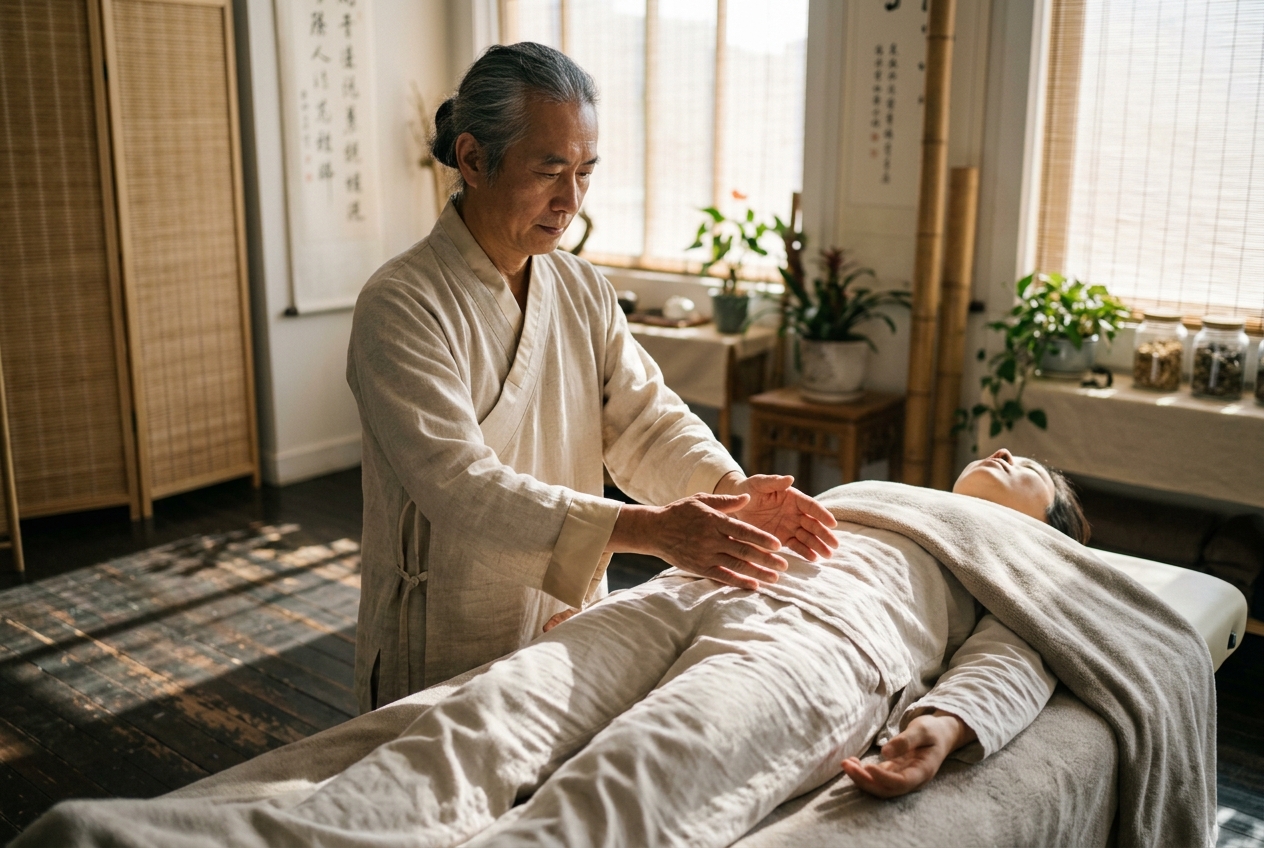
At its core, *Wai Qi Liao Fa* is the systematic cultivation, directional guidance, and non-contact clinical emission of the practitioner’s bio-energetic field to assess, regulate, and restore physiological and emotional homeostasis in another person. While self-cultivation practices such as movement and breathwork focus on regulating one's own internal vitality, this therapeutic branch trains the clinician to serve as an open biophysical conduit, transmitting concentrated energy across physical space into specific acupuncture points, fascial planes, and meridian pathways. In modern somatic and integrative medicine, this modality is understood as a refined application of biofield therapy, wherein biophysical signals—including ultra-weak photon emissions, low-frequency electromagnetic fields, and infrasonic acoustic waves—are projected to induce measurable healing responses in living tissue.

⚡ 8,264 Tokens • $0.00 Cost
Shi Er Jing Mai Twelve Primary Meridians: Circadian Organ Clock Pathways, Longitudinal Channel Biocircuitry, and Visceral Qi Synchronization in Classical Daoyin
TCM QIGONG & ENERGY MOVEMENT

Shi Er Jing Mai Twelve Primary Meridians: Circadian Organ Clock Pathways, Longitudinal Channel Biocircuitry, and Visceral Qi Synchronization in Classical Daoyin

The foundational medical treatise of East Asian medicine, the [*Huangdi Neijing*](https://en.wikipedia.org/wiki/Huangdi_Neijing) (comprising the theoretical *Suwen* or "Basic Questions" and the clinical *Lingshu* or "Spiritual Pivot"), compiled between the third century BCE and the second century CE, describes the twelve channels not as isolated tracks, but as an unbroken, continuous closed-circuit loop. Energy and fluid dynamics do not abruptly start and stop; they cascade uninterruptedly through four distinct structural quadrants, linking the three Yin channels of the hand, the three Yang channels of the hand, the three Yang channels of the foot, and the three Yin channels of the foot back to the chest.

⚡ 6,426 Tokens • $0.00 Cost
Hui Guang Fan Zhao Turning the Light Inward: Ocular Convergence, Pineal Phototransduction, and Shen Illumination in Classical Daoist Neidan
TCM QIGONG & ENERGY MOVEMENT

Hui Guang Fan Zhao Turning the Light Inward: Ocular Convergence, Pineal Phototransduction, and Shen Illumination in Classical Daoist Neidan

At its fundamental physical core, "Circulating the Light" is an ancient attentional discipline that uses subtle eye positioning and diaphragmatic breathing to reverse sensory fatigue. In modern everyday life, our eyes relentlessly chase external stimuli—emails, traffic, notifications, and social anxieties—a state of chronic sensory dissipation that classical Chinese medicine terms *Sheng Se* (聲色), or the scattering of vitality through sight and sound. When we practice *Hui Guang Fan Zhao*, we gently rest the external visual gaze upon the tip of the nose while projecting the internal, cognitive "spotlight" backward toward the anatomical core of the brain and downward into the torso.

⚡ 5,427 Tokens • $0.00 Cost
Tu Na Respiration Qigong: Expelling Turbid Qi, Inhaling Celestial Essence, and Pulmonary Diaphragmatic Dynamics in Classical Daoist Daoyin
TCM QIGONG & ENERGY MOVEMENT

Tu Na Respiration Qigong: Expelling Turbid Qi, Inhaling Celestial Essence, and Pulmonary Diaphragmatic Dynamics in Classical Daoist Daoyin

The theoretical lineage of Tu Na is woven into the foundational texts of classical Chinese philosophy and medical science. Long before formal martial traditions systematized breathwork, ancient Daoist natural philosophers observed that human vitality was intrinsically tied to the rhythm and depth of pulmonary exchange.

⚡ 8,640 Tokens • $0.00 Cost
← Previous Page Page 6 / 11 Next Page →