Powernews Section Archive

UNIX Command of the Day Archive

Page 4 of 11
Pkill: Dispatching Pattern-Based Signals, Terminating Orphaned Daemon Subtrees, and Enforcing Process Lifecycle Governance in Production
UNIX COMMAND OF THE DAY

Pkill: Dispatching Pattern-Based Signals, Terminating Orphaned Daemon Subtrees, and Enforcing Process Lifecycle Governance in Production

The shrill siren of an on-call pager shatters the silence of a freezing Tuesday morning at twenty past two. Before your eyes have even adjusted to the harsh glare of your laptop screen, the alert dashboard confirms your worst fears: the primary web tier is collapsing, customer requests are timing out, and system response times are climbing into the stratosphere. As you establish an emergency remote shell into the server, your keystrokes crawl across the screen, stuttering under the staggering weight of hundreds of runaway worker processes spawned by a rogue database connection leak.

⚡ 8,917 Tokens • $0.00 Cost
Ping: Auditing ICMP Reachability, Probing Path MTU Constraints, and Triaging Latency Jitter in Production
UNIX COMMAND OF THE DAY

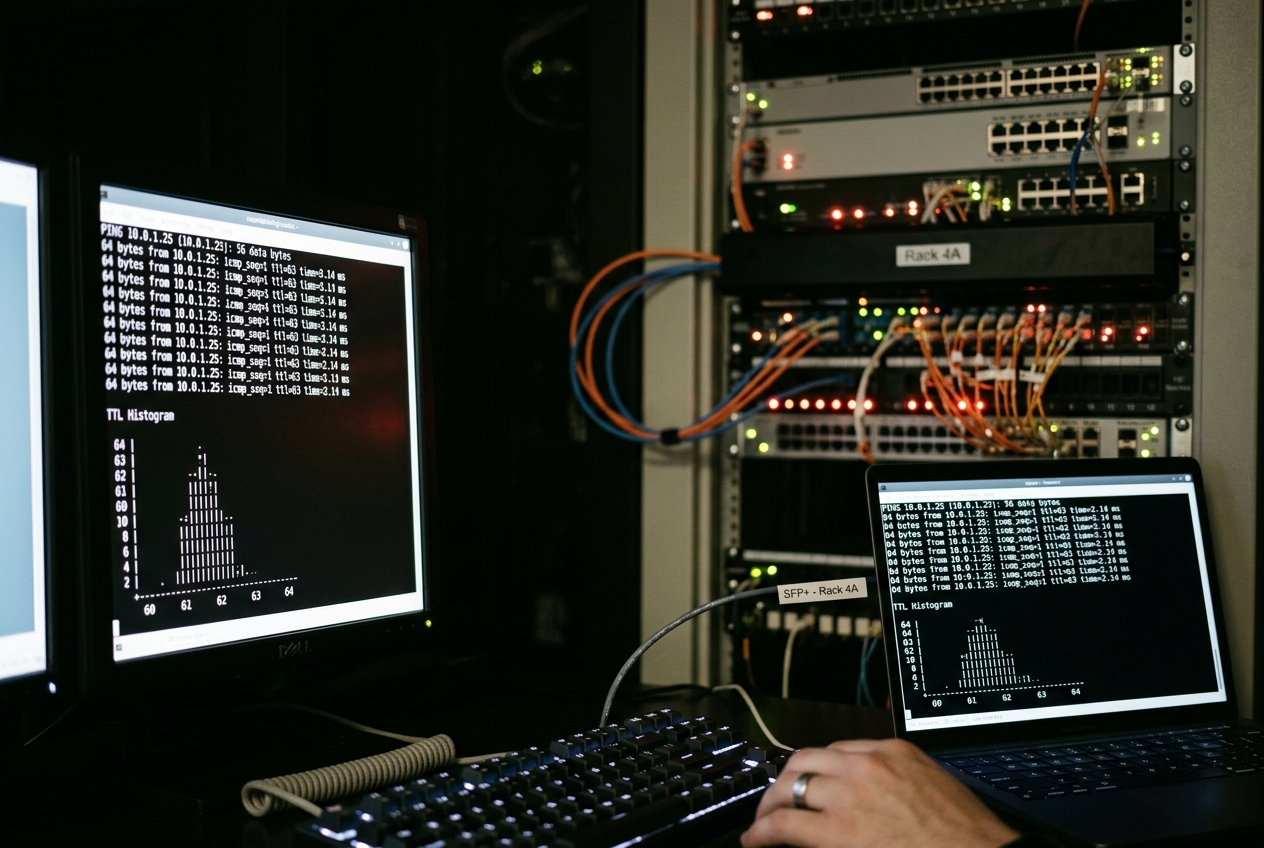
Ping: Auditing ICMP Reachability, Probing Path MTU Constraints, and Triaging Latency Jitter in Production

It is 02:47 on a freezing Tuesday morning, and the piercing wail of the on-call pager cuts through the quiet of the bedroom. Your laptop screen flickers to life, illuminating cold coffee mugs and a cascading wall of incident alerts. The company’s core payment gateway is shedding transactions at the edge, customer checkouts across three continents are stalling mid-flight, and automated Slack channels are screaming for attention. Yet, when you glance at the primary application dashboard, every worker pool stubbornly reports green health.

⚡ 9,061 Tokens • $0.00 Cost
Nm: Extracting Symbol Tables, Demangling Mangled Signatures, and Diagnosing Unresolved Linker Symbols in Production
UNIX COMMAND OF THE DAY

Nm: Extracting Symbol Tables, Demangling Mangled Signatures, and Diagnosing Unresolved Linker Symbols in Production

The bedside alarm goes off at 02:14 on a freezing Tuesday morning, its piercing tone instantly cutting through sleep. Your phone screen is glowing with escalation alerts from the on-call rota: a mission-critical payment microservice is caught in a vicious restart loop across thirty production pods, customer transactions are stalling, and the engineering incident channel is already filling with frantic messages. A routine canary deployment was rolled out ten minutes ago—a release that passed every continuous integration check, passed unit tests, and signed off cleanly in staging—yet the new containers are dying within milliseconds of launch, leaving behind zero application logs and a trail of baffled engineers.

⚡ 9,669 Tokens • $0.00 Cost
Ngrep: Regex-Matching Network Packet Payloads, Intercepting Cleartext Protocol Streams, and Triaging Production Wire Traffic
UNIX COMMAND OF THE DAY

Ngrep: Regex-Matching Network Packet Payloads, Intercepting Cleartext Protocol Streams, and Triaging Production Wire Traffic

It is twenty-seven minutes past two in the morning, and the piercing, rhythmic chime of the on-call pager tears through the quiet of your bedroom. Bleary-eyed, you stumble to your desk, the harsh glow of the laptop screen stinging your eyes as the emergency chat channel fills with frantic messages from customer support and engineering leads. The checkout system is failing, transactions are dropping, customers are complaining, and the revenue dashboard shows a terrifying nosedive. You are clutching a mug of lukewarm coffee, heart pounding, facing the nightmare every systems administrator dreads: something is broken in production, and nobody knows why.

⚡ 8,721 Tokens • $0.00 Cost
Modinfo: Inspecting Kernel Module Metadata, Auditing Cryptographic Signatures, and Validating Driver Parameters in Production
UNIX COMMAND OF THE DAY

Modinfo: Inspecting Kernel Module Metadata, Auditing Cryptographic Signatures, and Validating Driver Parameters in Production

It is 02:40 on a cold Tuesday morning when the silence of the operations floor is shattered by the shrill pulse of an automated pager. On the primary monitoring wall, a sea of reassuring green tiles suddenly flashes amber, then deep crimson. A cluster of critical database servers has begun dropping network traffic without warning, shedding packets into the void while customer transactions stall worldwide. The incident channel erupts with frantic speculation: the database team suspects faulty network cards; the network engineers blame a broken software release; the on-call manager wonders aloud if the servers are overheating. Nobody knows where the fault lies, but every minute of downtime costs thousands of pounds, and everyone is staring at an empty log screen waiting for someone to find the truth.

⚡ 8,714 Tokens • $0.00 Cost
Mktemp: Provisioning Secure Ephemeral Files, Mitigating Symlink Race Conditions, and Managing Atomic Temporary Hierarchies in Production
UNIX COMMAND OF THE DAY

Mktemp: Provisioning Secure Ephemeral Files, Mitigating Symlink Race Conditions, and Managing Atomic Temporary Hierarchies in Production

The emergency escalation alert vibrates against your bedside table at 02:14 on a Tuesday morning. By the time the harsh blue light of your laptop cuts through the dark room, the engineering channel is already spiralling into confusion: a mission-critical deployment pipeline has frozen solid, worker services across the fleet are throwing bizarre data corruption errors, and half the night shift is convinced the servers have been compromised. It is the classic nightmare of modern systems administration—a cascading production outage triggered not by an elaborate external cyberattack, but by a hurried three-line hotfix pushed to a background helper script right before leaving the office yesterday afternoon.

⚡ 8,267 Tokens • $0.00 Cost
Mkfifo: Creating POSIX Named Pipes, Decoupling Asynchronous Streams, and Eliminating Intermediate Storage in Production
UNIX COMMAND OF THE DAY

Mkfifo: Creating POSIX Named Pipes, Decoupling Asynchronous Streams, and Eliminating Intermediate Storage in Production

It is 02:45 on a Sunday morning, and the piercing chime of your on-call phone cuts through the silence of the bedroom. Stumbling to your desk in the dark, you open your laptop to find your telemetry dashboards glowing in alarming shades of crimson: storage utilisation on the primary database server is pinned at 100 per cent, system response times have collapsed, and error alerts are cascading across the screen. A newly automated backup routine has gone rogue, dumping a multi-hundred-gigabyte raw database export straight onto the local scratch disk before attempting to dispatch it across the network to cloud storage.

⚡ 10,677 Tokens • $0.00 Cost
Lvm: Provisioning Elastic Logical Volumes, Orchestrating Online Volume Group Expansions, and Managing Thin-Provisioned Snapshots in Production
UNIX COMMAND OF THE DAY

Lvm: Provisioning Elastic Logical Volumes, Orchestrating Online Volume Group Expansions, and Managing Thin-Provisioned Snapshots in Production

It is 02:14 on a freezing Tuesday morning, and the piercing siren of an automated high-severity pager alert tears through your sleep. Your pulse spikes as you fumble for your laptop in the dark, squinting at the glow of a crimson alert banner: the core production database has breached 99.4% disk capacity. Transactions are backing up, customer checkout services across three continents are grinding to a halt, and you have mere minutes before the disk fills entirely and crashes the whole business.

⚡ 7,608 Tokens • $0.00 Cost
Lsusb: Querying USB Bus Hierarchies, Inspecting Device Descriptors, and Auditing Peripheral Security in Production
UNIX COMMAND OF THE DAY

Lsusb: Querying USB Bus Hierarchies, Inspecting Device Descriptors, and Auditing Peripheral Security in Production

It is 02:45 on a damp Tuesday morning, and the piercing chime of an on-call pager cuts through the silence of a cold flat. The incident dashboard is flashing a stark crimson: the company’s primary payment gateway is rejecting transactions en masse, customer checkouts are failing worldwide, and the emergency escalation channel is rapidly filling with anxious executives. Bleary-eyed, you log into the production cluster expecting to find a scorched-earth disaster—a crashed database, maxed-out processors, or a collapsed network pipe. Instead, you find eerie tranquility: CPU utilization is idling near zero, system memory is largely free, and the network interfaces report zero dropped packets. Everything in the operating system insists that all services are operational, yet customer payments cannot be processed because an essential hardware security token has silently vanished into the digital ether.

⚡ 9,427 Tokens • $0.00 Cost
Lslocks: Auditing Kernel Byte-Range Locks, Isolating Contended File Descriptors, and Resolving Storage Deadlocks in Production
UNIX COMMAND OF THE DAY

Lslocks: Auditing Kernel Byte-Range Locks, Isolating Contended File Descriptors, and Resolving Storage Deadlocks in Production

It is 02:14 on a freezing Tuesday morning when the on-call pager shrills from the nightstand. You stumble across the room in the dark, blinking against the harsh glow of your laptop screen as red alerts flood the incident channel: the core payment processing gateway has abruptly stopped processing transactions. Frantic messages from customer support are already stacking up, yet when you bring up the main infrastructure dashboard, you are met with an eerie calm.

⚡ 8,657 Tokens • $0.00 Cost
Lscpu: Inspecting CPU Microarchitectures, Auditing Hardware Vulnerability Mitigations, and Profiling NUMA Topologies in Production
UNIX COMMAND OF THE DAY

Lscpu: Inspecting CPU Microarchitectures, Auditing Hardware Vulnerability Mitigations, and Profiling NUMA Topologies in Production

It is 2.14am, the harsh blue glow of your laptop screen is the only illumination in the room, and your phone has just vibrated across the bedside table for the third time in ten minutes. The production application is grinding to a painful halt, customer support tickets are piling up, and your monitoring dashboards offer no obvious culprit. Disk space is virtually untouched, the network connection shows negligible latency, and overall processor utilisation sits comfortably at a modest forty-two percent. You take a sip of lukewarm coffee and stare at the metrics: somewhere between the operating system and the physical metal humming quietly in a server rack hundreds of miles away, your systems are choking.

⚡ 8,986 Tokens • $0.00 Cost
Lsattr: Auditing Extended Inode Attributes, Inspecting Immutability Flags, and Hardening Production Filesystems
UNIX COMMAND OF THE DAY

Lsattr: Auditing Extended Inode Attributes, Inspecting Immutability Flags, and Hardening Production Filesystems

It is 3:14 on a freezing Tuesday morning when the on-call pager shatters the silence of your bedroom with the frantic, rhythmic chime of a critical production outage. Half-awake and squinting against the harsh glare of your laptop screen, you log into the failing server, switch immediately to the supreme administrator account, and prepare to wipe away a corrupted configuration file. But when you press Enter, expecting the silent obedience Unix systems have delivered for half a century, the terminal snaps back with an infuriating verdict: *Operation not permitted*. You check your credentials, you re-verify that you hold total administrative power over the machine, yet the operating system simply refuses to budge.

⚡ 8,546 Tokens • $0.00 Cost
Loginctl: Auditing User Session Topologies, Provisioning Lingering Service Daemons, and Managing Systemd Cgroup Slices in Production
UNIX COMMAND OF THE DAY

Loginctl: Auditing User Session Topologies, Provisioning Lingering Service Daemons, and Managing Systemd Cgroup Slices in Production

The cold glare of a laptop screen cuts through the darkness at half past two in the morning. Your phone vibrates relentlessly on the bedside table, buzzing with urgent automated escalation alerts from the primary compute cluster. An enterprise production server that had been running smoothly all week has suddenly ground to an inexplicable halt: vital metric streams have fallen silent, message queues are rapidly congesting, and unprivileged background jobs have vanished into thin air. You stumble to your desk, pull up a terminal, and log into the unresponsive host, bracing yourself for an exhausting troubleshooting session.

⚡ 9,093 Tokens • $0.00 Cost
Ln: Orchestrating Atomic Symlink Deployments, Managing Inode Link Topologies, and Eliminating Release Downtime in Production
UNIX COMMAND OF THE DAY

Ln: Orchestrating Atomic Symlink Deployments, Managing Inode Link Topologies, and Eliminating Release Downtime in Production

It is 02:14 on a freezing Tuesday morning, and the familiar, gut-wrenching wail of the on-call pager shatters the silence of the bedroom. By the time your laptop screen flickers to life, the team Slack channel is already a sea of red alerts: the company's flagship e-commerce platform has ground to an abrupt halt, customer checkouts are failing in droves, and the executive incident bridge is rapidly filling with panicked managers demanding answers. You take a hurried sip of lukewarm coffee and stare at the monitoring dashboards, wondering how a routine midnight software update could have plunged an entire business into chaos in a matter of milliseconds.

⚡ 9,815 Tokens • $0.00 Cost
Ldconfig: Configuring Dynamic Linker Runtime Bindings, Rebuilding Shared Object Caches, and Resolving Library Conflicts in Production
UNIX COMMAND OF THE DAY

Ldconfig: Configuring Dynamic Linker Runtime Bindings, Rebuilding Shared Object Caches, and Resolving Library Conflicts in Production

It is 2:14 on a Tuesday morning. The deployment pipeline flashed green ten minutes ago, the automated release notes were dutifully posted to the engineering channel, and you were just reaching to shut your laptop when the pager starts screaming. Across forty nodes in the application cluster, every worker process has terminated the instant it was spawned, setting off a cascade of HTTP 502 Bad Gateway alerts that lights up the monitoring dashboard in alarming shades of red.

⚡ 8,882 Tokens • $0.00 Cost
Keyctl: Managing Kernel In-Memory Keyrings, Securing Ephemeral Cryptographic Tokens, and Hardening Userspace Secret Isolation in Production
UNIX COMMAND OF THE DAY

Keyctl: Managing Kernel In-Memory Keyrings, Securing Ephemeral Cryptographic Tokens, and Hardening Userspace Secret Isolation in Production

The piercing chime of an on-call pager at 2:15 on a Sunday morning is a sound no systems engineer ever forgets. You stumble out of bed, eyes stinging in the harsh blue glare of a laptop screen, heart hammering as the monitoring dashboard flashes an urgent red banner across the production cluster.

⚡ 10,097 Tokens • $0.00 Cost
Kexec: Fast-Booting Production Kernels, Bypassing Firmware POST Cycles, and Orchestrating Automated Kdump Crash Relocations
UNIX COMMAND OF THE DAY

Kexec: Fast-Booting Production Kernels, Bypassing Firmware POST Cycles, and Orchestrating Automated Kdump Crash Relocations

It is 02:14 on a Tuesday morning, and the sharp, urgent chime of an emergency incident alert cuts through the silence of the on-call bedroom. On the glowing screen, a critical security bulletin has just landed across the infrastructure channel: a severe flaw in the operating system's memory management subsystem requires an immediate, mandatory kernel upgrade across every bare-metal virtualization host in the fleet. Staring at the dashboard with a cold mug of coffee, your stomach drops—not because applying the software patch is difficult, but because of what comes after.

⚡ 8,922 Tokens • $0.00 Cost
Ipvsadm: Orchestrating Kernel Layer-4 Load Balancing, Managing High-Capacity Virtual Server Clusters, and Tuning Transport Schedulers in Production
UNIX COMMAND OF THE DAY

Ipvsadm: Orchestrating Kernel Layer-4 Load Balancing, Managing High-Capacity Virtual Server Clusters, and Tuning Transport Schedulers in Production

The phone on the bedside table buzzes with the frantic, rhythmic vibration that every systems engineer dreads in the dead of night. It is 02:14 on a freezing Tuesday morning, and sleep evaporates into an adrenaline-soaked haze as the duty pager unleashes a cascade of severity-one alerts. Bleary-eyed in the dark, squinting against the harsh glare of a laptop screen, you watch the operations channel ignite with messages from across three time zones. Edge ingress latency has spiked from four milliseconds to nearly two seconds, connection timeouts are multiplying, and the company's European endpoints are falling like dominoes.

⚡ 9,079 Tokens • $0.00 Cost
Ipset: Managing High-Capacity Netfilter Hash Sets, Automating Sub-Millisecond Firewall Lookups, and Mitigating Distributed DDoS Vectors in Production
UNIX COMMAND OF THE DAY

Ipset: Managing High-Capacity Netfilter Hash Sets, Automating Sub-Millisecond Firewall Lookups, and Mitigating Distributed DDoS Vectors in Production

It is 2:14 AM on a Tuesday when the piercing chime of an on-call pager jolts a systems engineer out of sleep. Bleary-eyed in the glow of a laptop screen, they watch emergency monitoring dashboards flash violently red: inbound traffic to the company's main web gateway has fallen off a cliff, API response times have exploded into tens of seconds, and legitimate customer connections are vanishing into thin air.

⚡ 9,799 Tokens • $0.00 Cost
Ipcs: Auditing Inter-Process Communication Facilities, Triaging Shared Memory Leaks, and Resolving Kernel IPC Bottlenecks in Production
UNIX COMMAND OF THE DAY

Ipcs: Auditing Inter-Process Communication Facilities, Triaging Shared Memory Leaks, and Resolving Kernel IPC Bottlenecks in Production

The sharp, unforgiving buzz of a duty phone on a bedside table at 3:23 AM is a sound no systems engineer ever forgets. Across three continents, latency graphs are spiking, client dashboards have turned an ominous amber, and core database replication has ground to an abrupt halt. You stagger to your desk, log into the stricken primary server, and punch in an emergency restart command to bring the database cluster back on its feet. The terminal hangs for four breathless seconds of silence—and then aborts immediately with a baffling pair of errors: `FATAL: could not create shared memory segment: Identifier removed` followed by `PANIC: could not allocate Skeys: No space left on device`.

⚡ 8,208 Tokens • $0.00 Cost
← Previous Page Page 4 / 11 Next Page →