Powernews Section Archive

UNIX Command of the Day Archive

Page 3 of 11
Top: Auditing Real-Time CPU State Distribution, Demystifying Process Memory Geometries, and Orchestrating Headless System Telemetry in Production
UNIX COMMAND OF THE DAY

Top: Auditing Real-Time CPU State Distribution, Demystifying Process Memory Geometries, and Orchestrating Headless System Telemetry in Production

The bedroom is pitch-black when the harsh, relentless buzz of an on-call phone vibrates across the nightstand at fourteen minutes past two in the morning. With dry eyes and a pounding pulse, you fumble for your glasses and open your laptop in the dark. The company’s primary web services are falling like dominoes: customer transactions are timing out, automated alerts are flooding into the emergency operations room, and European morning traffic is only a few hours away. You connect to an afflicted server, but the terminal cursor blinks back sluggishly, barely acknowledging your keystrokes. While modern browser dashboards display glossy thirty-second averages of impending disaster, they cannot tell you what is happening inside the computer at this exact microsecond.

⚡ 9,629 Tokens • $0.00 Cost
Tmux: Managing Persistent Terminal Sessions, Synchronising Multi-Pane Workflows, and Automating Operational Cockpits in Production
UNIX COMMAND OF THE DAY

Tmux: Managing Persistent Terminal Sessions, Synchronising Multi-Pane Workflows, and Automating Operational Cockpits in Production

It is twenty past two on a freezing Tuesday morning, and the piercing chime of a high-priority pager alert has just shattered your sleep. A critical database is choking on an unexpected surge of traffic, disk space is evaporating by the gigabyte, and transactions across three continents are grinding to a halt. Blinking against the sudden glare of your laptop screen, you dial in from your kitchen table, open a terminal window, and start a delicate multi-hour data migration to rescue the storage volume. Coffee brews in the background as progress bars inch forward. Then, without warning, your home broadband flickers. Your terminal freezes mid-stride. A single brutal error message appears across the glass: `packet_write_wait: Connection to 10.0.4.12 port 22: Broken pipe`.

⚡ 9,551 Tokens • $0.00 Cost
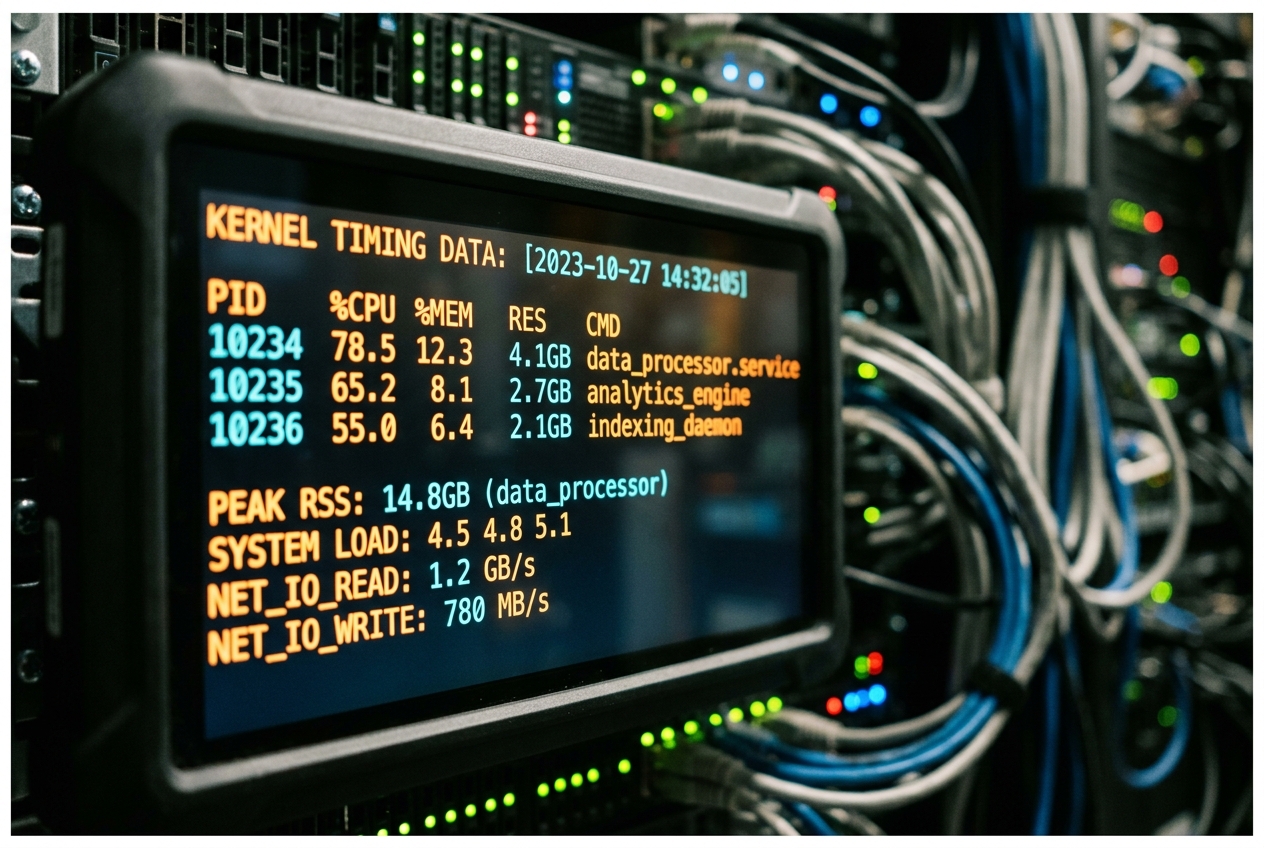
Time: Profiling Granular Process Resource Consumption, Measuring Peak Resident Set Size, and Triaging Kernel Context Switches in Production
UNIX COMMAND OF THE DAY

Time: Profiling Granular Process Resource Consumption, Measuring Peak Resident Set Size, and Triaging Kernel Context Switches in Production

The clock reads 3:14 on a freezing Sunday morning when the phone on your bedside table begins its violent, insistent buzzing. Before you have even rubbed the sleep from your eyes, the glare of the monitor confirms the worst: a mission-critical financial ledger service has stalled, alerts are flashing amber across your dashboards, and automated container instances are dropping offline one after another in an unforgiving crash loop.

⚡ 8,741 Tokens • $0.00 Cost
Systemd-tmpfiles: Managing Ephemeral Filesystem Lifecycles, Provisioning Runtime Directories, and Enforcing Inode Security Policies in Production
UNIX COMMAND OF THE DAY

Systemd-tmpfiles: Managing Ephemeral Filesystem Lifecycles, Provisioning Runtime Directories, and Enforcing Inode Security Policies in Production

It is 02:17 on a cold Tuesday morning when the on-call engineer's phone begins buzzing relentlessly against the bedside table. PagerDuty alerts illuminate the dark room: fifty critical payment services have crashed simultaneously following a scheduled automated reboot. Still half-asleep, the engineer stumbles to the laptop and joins the incident bridge, bracing for a catastrophic database failure or an availability zone outage. Instead, the frantic search through lines of error logs reveals something infuriatingly simple: the microservices crashed on startup because their socket directory, created by hand weeks ago, had vanished into thin air.

⚡ 9,308 Tokens • $0.00 Cost
Systemd-run: Provisioning Ephemeral Service Units, Enforcing Dynamic Cgroup Limits, and Sandboxing Ad-Hoc Workloads in Production
UNIX COMMAND OF THE DAY

Systemd-run: Provisioning Ephemeral Service Units, Enforcing Dynamic Cgroup Limits, and Sandboxing Ad-Hoc Workloads in Production

It is 02:47 on a freezing Sunday morning, and the phone on the bedside table erupts into frantic vibration. The on-call engineer fumbles in the dark, squinting through bleary eyes at a wall of crimson pager alerts. Latencies on the primary customer database have spiked from four milliseconds to twenty-two seconds, query queues are backing up exponentially, and critical microservices are silently collapsing one after another.

⚡ 8,972 Tokens • $0.00 Cost
Systemd-nspawn: Spawning Ephemeral Container Namespaces, Bootstrapping Isolated Rootfs Environments, and Hardening Lightweight Workloads in Production
UNIX COMMAND OF THE DAY

Systemd-nspawn: Spawning Ephemeral Container Namespaces, Bootstrapping Isolated Rootfs Environments, and Hardening Lightweight Workloads in Production

The shrill alert from the on-call pager shatters the quiet of a 2:14am shift. Surrounded by half-drained mugs of cold coffee and the blinding glare of multiple monitors, you find yourself staring at an urgent critical vulnerability advisory. A foundational system component has broken across your infrastructure, and candidate patches must be validated against a live operating environment before the morning rush. One mistaken deployment could bring down the entire cluster, yet hesitating guarantees a catastrophic outage by sunrise.

⚡ 8,958 Tokens • $0.00 Cost
Systemd-cgtop: Profiling Real-Time Control Group Resource Saturation, Auditing Container Slices, and Triaging Multi-Tenant Throttling in Production
UNIX COMMAND OF THE DAY

Systemd-cgtop: Profiling Real-Time Control Group Resource Saturation, Auditing Container Slices, and Triaging Multi-Tenant Throttling in Production

It is 2.45am on a bleak Sunday morning when the phone on your bedside table begins its dreaded, rhythmic buzz. You fumble for your glasses in the dark, squinting at an alert screen awash with crimson: the core API has ground to a halt, response times have surged past acceptable thresholds, and the production nodes are choking under mysterious load. Half-asleep and clutching a lukewarm mug of water, you log into the bastion server and instinctively fire up `top`—only to be greeted by a dizzying, unreadable blur of thousands of flickering lines. Every process looks identical, worker threads scroll past faster than the eye can track, and finding the culprit feels like searching for a single fare evader in a packed railway concourse at rush hour.

⚡ 7,176 Tokens • $0.00 Cost
Swapon: Orchestrating Virtual Memory Paging, Prioritising Multi-Device Swap Pools, and Mitigating OOM Thrashing in Production
UNIX COMMAND OF THE DAY

Swapon: Orchestrating Virtual Memory Paging, Prioritising Multi-Device Swap Pools, and Mitigating OOM Thrashing in Production

It is 02:14 on a Tuesday morning when the harsh buzz of the on-call pager shatters the silence of your bedroom. Half-asleep, you reach for your phone to find your team’s incident channel in full panic mode: the primary ingestion server has suddenly stopped responding, web requests are crashing into HTTP 502 error pages, and automated monitoring charts are plunging off a cliff. Stumbling to your desk and logging into the terminal, you prepare for the worst, wondering what could have brought down a seemingly healthy production machine in the dead of night.

⚡ 10,192 Tokens • $0.00 Cost
Sudo: Enforcing Granular Privilege Delegation, Hardening Security Policies, and Auditing Administrative Execution in Production
UNIX COMMAND OF THE DAY

Sudo: Enforcing Granular Privilege Delegation, Hardening Security Policies, and Auditing Administrative Execution in Production

At 2:40 on a cold Tuesday morning, the on-call phone on your bedside table violently vibrates against the wood. Bleary-eyed and clutching a mug of lukewarm water, you squint at a glowing dashboard flashing amber and red: the primary reverse proxy cluster in London has abruptly failed its automated health checks, customer connections are dropping across Europe, and an automated deployment has stalled midway through. You establish an emergency SSH connection to the edge fleet and stare at the terminal prompt. Production is down, and you have mere minutes before the incident triggers a formal service-level breach.

⚡ 9,443 Tokens • $0.00 Cost
Stress-ng: Benchmarking Kernel Subsystems, Validating Container Resource Quotas, and Stress-Testing Hardware Resilience in Production
UNIX COMMAND OF THE DAY

Stress-ng: Benchmarking Kernel Subsystems, Validating Container Resource Quotas, and Stress-Testing Hardware Resilience in Production

Your bedside table vibrates violently with the distinctive, gut-wrenching alarm tone reserved strictly for production emergencies. It is 02:14 on a freezing Tuesday morning. Squinting through the harsh glare of a laptop screen in the dark, you are met with a wall of red dashboards: customer transactions have ground to a halt, support queues are exploding with furious complaints, and automated incident channels are flooding faster than you can read them. Nothing has formally crashed, no hardware fault lights are blinking amber in the server rack, and no obvious panics appear in the logs. Yet the entire infrastructure is gasping for air, locked in an invisible chokehold under peak traffic, turning what should have been an ordinary night into a frantic, sleepless firefighting operation.

⚡ 8,357 Tokens • $0.00 Cost
Ssh-keygen: Provisioning Ed25519 Cryptographic Identities, Enforcing OpenSSH Certificate Authorities, and Auditing Host Key Topologies in Production
UNIX COMMAND OF THE DAY

Ssh-keygen: Provisioning Ed25519 Cryptographic Identities, Enforcing OpenSSH Certificate Authorities, and Auditing Host Key Topologies in Production

At 2.14am on a freezing Tuesday, your on-call phone violently vibrates against the nightstand. The glare of the screen cuts through the dark with a high-severity security alert: a contractor who left your engineering team three weeks ago has just had their unencrypted company laptop stolen from a train. You throw on a dressing gown, stumble to your desk, and open a terminal with a sinking feeling in your stomach. Did anyone actually remember to revoke their access?

⚡ 11,148 Tokens • $0.00 Cost
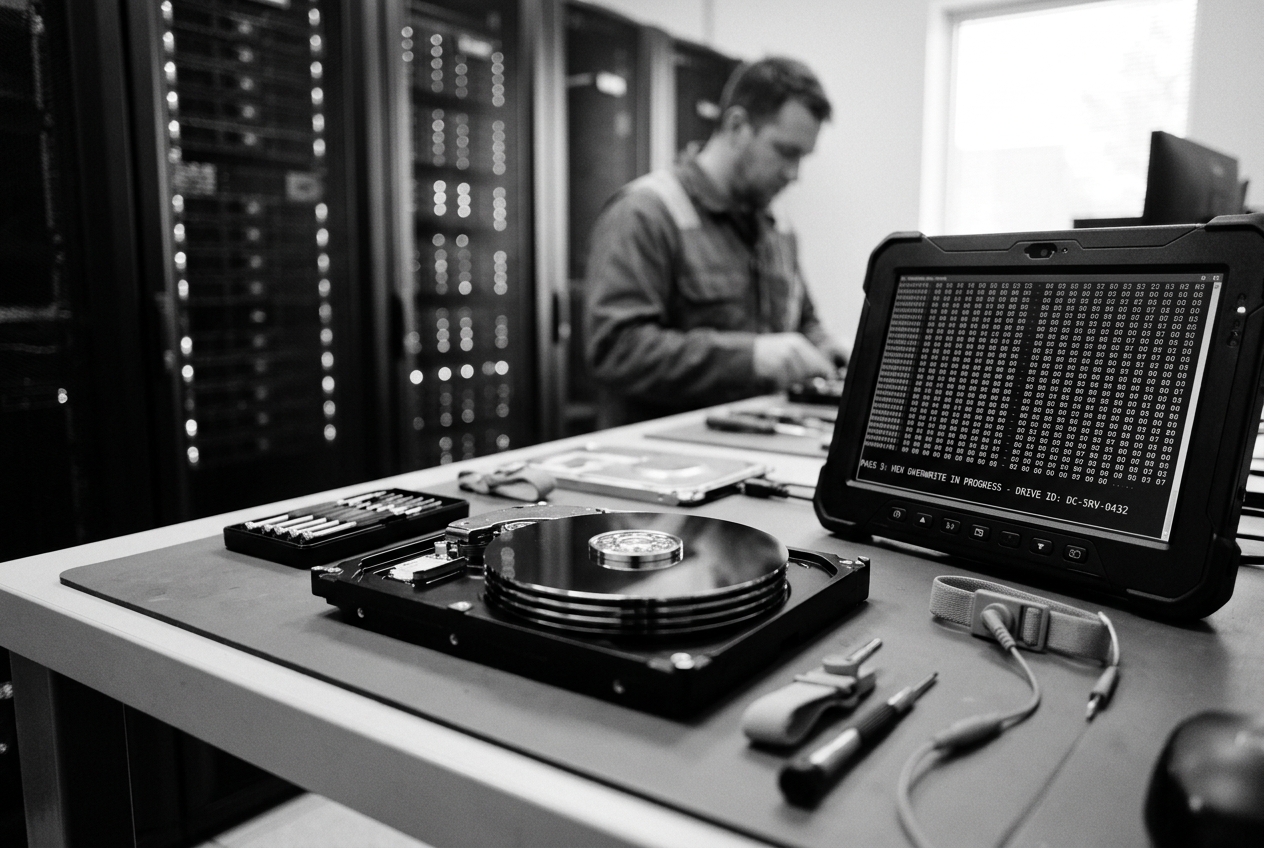
Shred: Securely Overwriting Ephemeral Secrets, Sanitising Decommissioned Storage Blocks, and Enforcing Cryptographic Erasure in Production
UNIX COMMAND OF THE DAY

Shred: Securely Overwriting Ephemeral Secrets, Sanitising Decommissioned Storage Blocks, and Enforcing Cryptographic Erasure in Production

It is 02:40 on a damp Tuesday morning, and the stale office coffee went cold two hours ago. In a quiet enterprise data centre humming with rows of multi-tenant racks, a tired systems administrator watches the clock tick towards dawn. A fleet of forty bare-metal servers, previously dedicated to processing confidential patient healthcare records, must be decommissioned before the logistics courier arrives at 06:00. To clear the drives, the administrator punches a familiar sequence into the orchestration console: `rm -rf /var/data/isolated_tenants/*`. The prompt returns in a fraction of a second. The system reports hundreds of gigabytes of reclaimed storage space. Relieved, the administrator signs off on the decommissioning ticket and heads home for some sleep.

⚡ 7,818 Tokens • $0.00 Cost
Sha256sum: Validating Cryptographic Integrity Manifests, Auditing Software Supply Chains, and Detecting Storage Bit Rot in Production
UNIX COMMAND OF THE DAY

Sha256sum: Validating Cryptographic Integrity Manifests, Auditing Software Supply Chains, and Detecting Storage Bit Rot in Production

The bedside mobile phone vibrates with the violent, unforgiving buzz of a high-priority incident alert at 2:14 on a freezing Sunday morning. Bleary-eyed in the harsh glare of a laptop screen, an on-call engineer watches dashboard monitors flash an ominous wall of crimson. A critical database cluster has abruptly collapsed, customer transactions are failing worldwide, and the emergency Slack channel is already spiralling with frantic messages from executive leadership. The secondary failover system has crashed on boot, leaving only one viable escape route: pulling forty gigabytes of compressed archive snapshots out of remote cold storage to rebuild the entire platform from scratch.

⚡ 8,192 Tokens • $0.00 Cost
Setpriv: Dropping Process Privileges, Enforcing No-New-Privs Boundaries, and Hardening Unprivileged Services in Production
UNIX COMMAND OF THE DAY

Setpriv: Dropping Process Privileges, Enforcing No-New-Privs Boundaries, and Hardening Unprivileged Services in Production

It is 02:45 on a freezing Tuesday morning when the pager on your nightstand screams to life. Groggy and bleary-eyed, you stumble over to your laptop only to be blinded by a wall of crimson incident alerts cascading across the monitoring dashboard. An automated background task—designed merely to convert uploaded customer graphics—has suddenly started establishing rogue network connections to unknown servers across the globe. You had set up the account yourself, deliberately locking it down without administrator privileges and forbidding interactive logins. Yet within minutes of an intruder slipping a poisoned file into the processing queue, they have seized complete, unfettered command of the entire production machine.

⚡ 10,301 Tokens • $0.00 Cost
Setfattr: Writing Extended Filesystem Attributes, Managing Metadata Namespaces, and Hardening Storage Geometries in Production
UNIX COMMAND OF THE DAY

Setfattr: Writing Extended Filesystem Attributes, Managing Metadata Namespaces, and Hardening Storage Geometries in Production

The on-call pager screams at 02:40 on a Tuesday morning. In the dimly lit glow of a home office, an engineer stares at a wall of automated health checks flashing red across a distributed ingest cluster. A routine midnight deployment has ground high-priority services to a dead halt, throwing critical ingestion pipelines into a tailspin and sending node saturation graphs spiking towards catastrophic failure.

⚡ 10,044 Tokens • $0.00 Cost
Semanage: Managing SELinux Policy Stores, Provisioning Network Port Contexts, and Enforcing Mandatory Access Control in Production
UNIX COMMAND OF THE DAY

Semanage: Managing SELinux Policy Stores, Provisioning Network Port Contexts, and Enforcing Mandatory Access Control in Production

The pager goes off at 02:14 on a Tuesday morning, shattering a rare night of uninterrupted sleep. You sit up in the dark, the harsh blue glare of your laptop illuminating a half-empty mug of cold coffee on the desk. The migration had seemed like a triumph: the final cutover script completed cleanly at midnight, the deployment checklist was ticked off, and the team had signed off with cheerful emojis in the chat channel. But now your phone is vibrating continuously against the nightstand with automated incident alerts, and the company status dashboard is flashing an ominous amber. Customers cannot complete checkouts, the staging environment never exhibited this failure, and you are staring bleary-eyed at a screen trying to understand why a service that ran flawlessly during daylight hours is suddenly dead in the water.

⚡ 7,321 Tokens • $0.00 Cost
Restorecon: Reconciling Filesystem SELinux Security Contexts, Remediating Label Drift, and Enforcing Dynamic MAC Policies in Production
UNIX COMMAND OF THE DAY

Restorecon: Reconciling Filesystem SELinux Security Contexts, Remediating Label Drift, and Enforcing Dynamic MAC Policies in Production

It is 2.14am on a damp Tuesday, and the on-call pager on your nightstand has just erupted with an aggressive, rhythmic buzz. Half-awake and squinting into the cold glare of a laptop screen, you watch the monitoring dashboard shift from steady green to an alarming cascade of flashing red indicators. An automated deployment pipeline ran ten minutes ago, reports declared everything green, and the release was stamped as successful. Yet across the estate, users are hitting immediate access errors, critical worker services are crashing upon boot, and the incident Slack channel is filling up with frantic queries from executives.

⚡ 10,469 Tokens • $0.00 Cost
Resolvectl: Inspecting Per-Interface DNS Configurations, Flushing Resolver Caches, and Triaging DNS-over-TLS Routing in Production
UNIX COMMAND OF THE DAY

Resolvectl: Inspecting Per-Interface DNS Configurations, Flushing Resolver Caches, and Triaging DNS-over-TLS Routing in Production

The sudden, piercing chime of an on-call pager at three in the morning is a sound designed to induce instant adrenaline. You stumble across a dark room, squinting through bleary eyes at a laptop screen rapidly filling with furious red alert notifications. Payment processing has ground to a dead halt. Customer-facing services are timing out, automated background jobs are collapsing in heaps, and database connections across your encrypted private network are dropping like lead weights. Yet, when you hastily log into an affected server and ping an external host by its raw numerical IP address, the packets return immediately with zero loss. The network cables are humming and the routers are healthy, but your applications are utterly stranded—shivering in the dark, unable to translate a single server name into an address.

⚡ 8,982 Tokens • $0.00 Cost
Resize2fs: Expanding Ext4 Filesystems Online, Reallocating Block Descriptors, and Managing Elastic Cloud Storage in Production
UNIX COMMAND OF THE DAY

Resize2fs: Expanding Ext4 Filesystems Online, Reallocating Block Descriptors, and Managing Elastic Cloud Storage in Production

The sharp, piercing chime of an on-call pager jolts you awake at 2:14 AM on a Sunday. Groggy and disoriented, you reach for your laptop to find an urgent red banner plastered across your monitoring dashboard: your core database handling live customer transactions has ground to an abrupt halt. The disk has hit 100% capacity. In a surge of adrenaline, you log into your cloud provider's web console, locate the virtual volume, and double its provisioned storage from 500 gigabytes to one terabyte. The cloud console flashes a bright green confirmation within seconds. Yet, back in your terminal, the database continues to fail, transactions are dropping, and the operating system stubbornly insists that zero bytes remain.

⚡ 10,331 Tokens • $0.00 Cost
Renice: Dynamically Adjusting Process Scheduling Priorities, Mitigating Compute Starvation, and Orchestrating Multi-Tenant Workload Quality-of-Service in Production
UNIX COMMAND OF THE DAY

Renice: Dynamically Adjusting Process Scheduling Priorities, Mitigating Compute Starvation, and Orchestrating Multi-Tenant Workload Quality-of-Service in Production

It is 2:14 on a freezing Tuesday morning when the harsh buzz of the on-call phone jolts you awake. In the dark bedroom, the piercing screen glows red with critical alerts: your company's core web application is grinding to a halt, customer checkouts are timing out, and API response times have spiked from fifteen milliseconds to two full seconds. Heart pounding, you stumble to your desk, throw open your laptop, and establish an emergency terminal connection to the primary database server.

⚡ 8,501 Tokens • $0.00 Cost
← Previous Page Page 3 / 11 Next Page →