Tonifying Herbs (Bu Yi Yao) Pharmacodynamics: Governing Qi-Blood Replenishment, Yin-Yang Restoration, Adaptive Immunomodulation, and Visceral Debility in Traditional Chinese Medicine
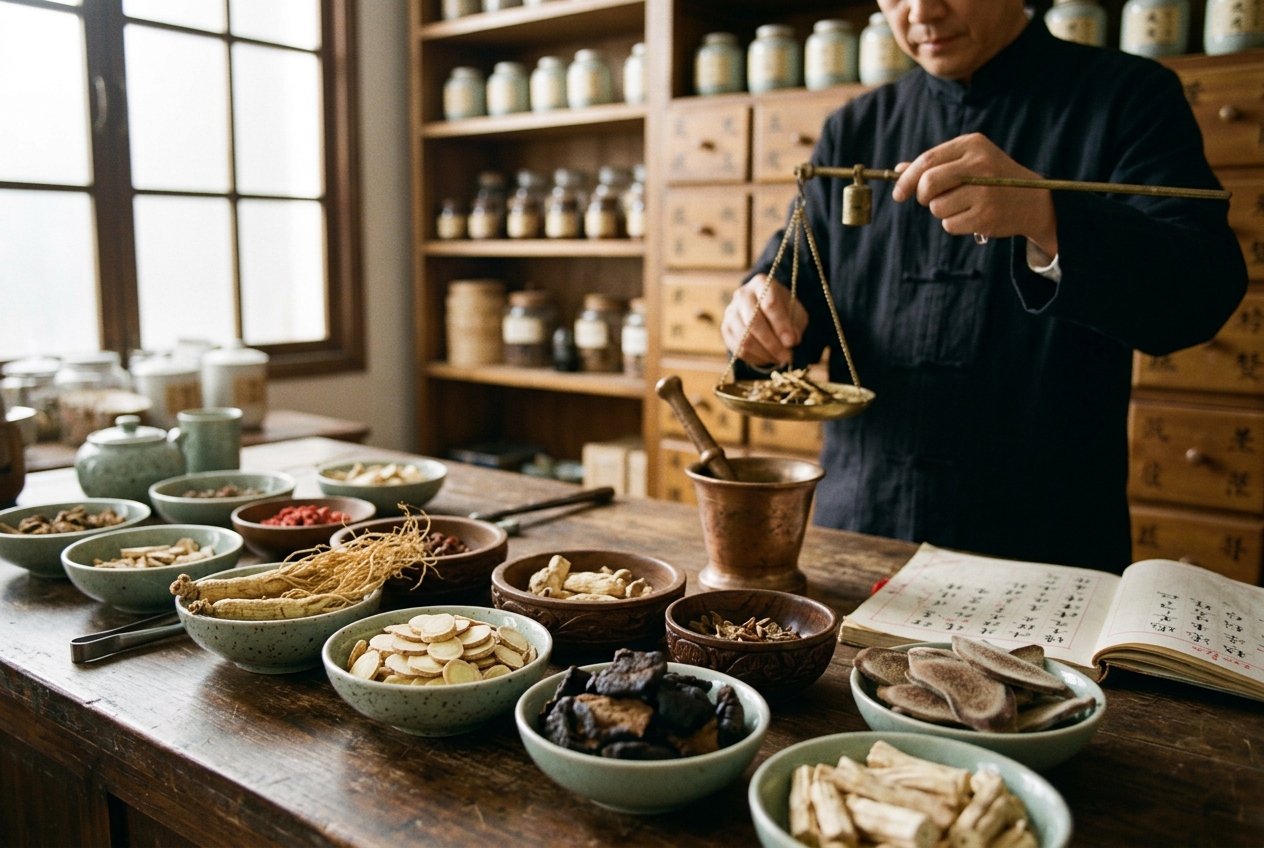
1. Theoretical Foundation & Pharmacodynamic Architecture of Bǔ Yì Yào
1.1 Ontological Framing of Xū Zhèng (Deficiency Patterns) and Homeostatic Collapse
In the theoretical architecture of Traditional Chinese Medicine (TCM), systemic vitality and biological integrity are maintained through a dynamic equilibrium between physiological constituents—namely Qì (vital metabolic energy), Xuè (blood and trophic substrates), Yīn (structural fluid, cellular moisture, and anabolic reserves), and Yáng (thermogenic, catalytic, and functional motility). When the host organism experiences chronic exogenous stress, prolonged illness, senescent decline, or constitutional exhaustion, this equilibrium shifts toward Xū Zhèng (虚证, Vacuity or Deficiency Patterns).
Deficiency syndromes are not merely localized anatomical lesions; they represent widespread systemic desynchronizations across the neuroendocrine, immunological, and metabolic axes. Within classical epistemology, as documented in foundational compendia indexed by the World Health Organization Traditional Medicine Strategy, the restoration of physiological competence requires the administration of Tonifying and Supplementing Medicinals (Bǔ Yì Yào, 补益药).
                      +--------------------------------------------------+
                      |         PHYSIOLOGICAL EQUILIBRIUM (ZHENG QI)     |
                      +--------------------------------------------------+
                                        /                  \
                                       /                    \
              ANABOLIC / TROPHIC AXIS /                      \ CATABOLIC / MOTILE AXIS
                                     v                        v
                  +-----------------------+              +-----------------------+
                  |  YIN & BLOOD RESERVES  |              |   QI & YANG ENERGETICS |
                  | (Substrate, Fluids,   |              |  (ATP, Thermogenesis,  |
                  | Cellular Integrity)   |              |  Motility, Catalysis)  |
                  +-----------------------+              +-----------------------+
                                     \                        /
                                      \                      /
                                       v                    v
                      +--------------------------------------------------+
                      |         FÚ ZHÈNG GÙ BĚN (UPRIGHT RESTORATION)     |
                      |    Mitochondrial, Neuroendocrine & Immune Reset  |
                      +--------------------------------------------------+
1.2 The Four Pillars of Tonification
The pharmacotherapeutic classification of Bǔ Yì Yào is organized around four functional domains, known as the Four Pillars of Tonification:
- Qi Tonification (Bǔ Qì, 补气): Directs therapeutic vectors to the Spleen (Pí) and Lung (Fèi) networks. Mechanistically, it enhances cellular bioenergetics, optimizes mitochondrial oxidative phosphorylation, supports intestinal nutrient assimilation, and strengthens barrier immunity (Wèi Qì).
- Blood Tonification (Bǔ Xuè, 补血): Directs nourishing agents to the Liver (Gān) and Heart (Xīn) systems. It stimulates hematopoiesis, improves microvascular hemorheology, elevates serum micro- and macronutrient availability, and supplies trophic support to the central nervous system.
- Yin Nourishing (Bǔ Yīn, 补阴): Replenishes depleted endogenous fluids, supports mucosal linings, regulates cellular autophagic renewal, and downregulates sterile inflammation caused by constitutional hyper-reactivity (Deficiency Heat or Xū Rè).
- Yang Fortification (Bǔ Yáng, 补阳): Fortifies the Kidney (Shèn)-Mingmen axis. It stimulates thermogenesis, upregulates steroidogenesis, activates cellular bioenergetics via cyclic adenosine monophosphate (cAMP) and peroxisome proliferator-activated receptor gamma coactivator 1-alpha (PGC-1α) pathways, and counteracts metabolic hypofunction.
1.3 The Principle of Fú Zhèng Gù Běn (扶正固本)
The core clinical strategy governing Bǔ Yì Yào is Fú Zhèng Gù Běn—"Supporting the Upright Qi and Consolidating the Root Foundation." Unlike cytotoxic or pathogen-eliminating therapies (Qū Xié), tonifying strategies operate on an autogenic model: they bolster the host’s endogenous homeostatic reserves so the physiological network can resolve pathogenic factors, suppress systemic inflammation, and rebuild structural matrices autonomously. Modern molecular pharmacological perspectives—such as those published via National Center for Biotechnology Information (NCBI PubMed)—recognize this mechanism as multi-target biological response modification and adaptogenic modulation.
2. Categorical Taxonomy & Archetypal Materia Medica
+==============================================================================================================+
|                                    TAXONOMIC AND PHARMACODYNAMIC MATRIX                                     |
+======================+=========================+=============================+===============================+
| TONIC CATEGORY       | ARCHETYPAL BOTANICAL    | PRIMARY PHYTOCONSTITUENTS   | KEY BIOCHEMICAL PATHWAYS      |
+======================+=========================+=============================+===============================+
| Qi Tonics (Bǔ Qì)    | Panax ginseng           | Ginsenosides (Rg1, Rb1, Rd) | AMPK-PGC-1α, ATP Synthase     |
|                      | Astragalus membranaceus | Astragalosides (I-IV)       | PI3K/Akt, eNOS, Th1/Th2 balance|
|                      | Atractylodes macroceph. | Atractylenolides (I, II, III)| ZO-1/Occludin, NF-κB blockade|
+----------------------+-------------------------+-----------------------------+-------------------------------+
| Blood Tonics (Bǔ Xuè)| Rehmannia glutinosa pr. | Catalpol, Rehmaglutins      | EPO-JAK2-STAT5, SCF expression|
|                      | Angelica sinensis       | Ferulic acid, Ligustilide   | GATA-1, Bcl-2, microflow eNOS |
|                      | Paeonia lactiflora      | Paeoniflorin, Albiflorin    | p38/JNK MAPK inhibition, GPx  |
+----------------------+-------------------------+-----------------------------+-------------------------------+
| Yin Tonics (Bǔ Yīn)  | Ophiopogon japonicus    | Ophiopogonins (B, D), Homoiso| AQP5 upregulation, NF-κB down |
|                      | Glehnia littoralis      | Falcarindiol, Coumarins     | sIgA synthesis, COX-2 down    |
|                      | Lycium barbarum         | LBP-1 to LBP-4, Zeaxanthin  | Caspase-3 block, HPA damping  |
+----------------------+-------------------------+-----------------------------+-------------------------------+
| Yang Tonics (Bǔ Yáng)| Cervi Cornu Pantotrich. | IGF-1 peptides, Gangliosides| Runx2, BMP/Wnt, HPG axis      |
|                      | Cistanche deserticola   | Echinacoside, Acteoside     | StAR/CYP11A1, Complex I/IV    |
|                      | Morinda officinalis     | Monotropein, Oligosaccharides| OPG/RANKL ratio, 5-HT/NE rise |
+======================+=========================+=============================+===============================+
2.1 Qi-Tonifying Botanicals (Bǔ Qì Yào, 补气药)
Qi tonics are indicated for syndromes of Spleen Qi deficiency (anorexia, postprandial somnolence, loose stools, visceral ptosis) and Lung Qi deficiency (shortness of breath, spontaneous sweating, susceptibility to recurrent pathogens).
A. Ren Shen (Panax ginseng Radix et Rhizoma)
- Classical Energetics: Sweet, slightly bitter, warm. Enters the Spleen, Lung, and Heart meridians. Primordial Qi tonification (Dà Bǔ Yuán Qì).
- Active Phytoconstituents: Triterpenoid saponins known as ginsenosides, categorizable into protopanaxadiols (Rb1, Rb2, Rc, Rd) and protopanaxatriols (Rg1, Re, Rh1), alongside rare ginsenosides (Rg3, Rh2) and acidic polysaccharides (ginsan).
- Biochemical Pathways: Ginsenoside Rg1 and Rb1 cross the plasma membrane to stimulate mitochondrial biogenesis via the AMP-activated protein kinase (AMPK) and Sirtuin-1 (SIRT1)/PGC-1α signaling axes. This upregulation enhances adenosine triphosphate (ATP) production within cardiac myocytes and cerebral cortical neurons. Ginsenosides also regulate the glucocorticoid receptor (NR3C1), buffering against acute adrenocortical depletion during prolonged physical or emotional distress.
B. Huang Qi (Astragali Radix)
- Classical Energetics: Sweet, slightly warm. Enters the Lung and Spleen meridians. Consolidates the defensive exterior (Gù Biǎo), raises sunken Yang, and promotes tissue regeneration.
- Active Phytoconstituents: Cycloartane-type triterpene glycosides (Astragalosides I–VIII, predominantly Astragaloside IV), isoflavonoids (formononetin, calycosin-7-O-β-D-glucoside), and Astragalus polysaccharides (APS).
- Biochemical Pathways: Astragaloside IV stimulates endothelial nitric oxide synthase (eNOS) phosphorylation via the PI3K/Akt pathway, enhancing microvascular perfusion in ischemic peripheral tissue. Concurrently, APS stimulates cluster of differentiation 4 (CD4+) helper T-cells, corrects imbalances in the Th1/Th2 cytokine ratio by upregulating interferon-gamma (IFN-γ), and reduces vascular permeability to consolidate mucosal defenses.
C. Bai Zhu (Atractylodis Macrocephalae Rhizoma)
- Classical Energetics: Bitter, sweet, warm. Enters the Spleen and Stomach meridians. Dries dampness, invigorates Spleen Qi, and stabilizes the digestive center.
- Active Phytoconstituents: Sesquiterpene lactones (Atractylenolide I, II, and III) and volatile essential oils (atractylone).
- Biochemical Pathways: Atractylenolides inhibit nuclear factor kappa B (NF-κB) transcription, downregulating inflammatory cytokines (tumor necrosis factor-alpha [TNF-α], interleukin-6 [IL-6]) in the gastrointestinal mucosa. They upregulate the expression of the tight-junction proteins zonula occludens-1 (ZO-1) and occludin, reversing intestinal hyperpermeability ("leaky gut") and enhancing the enzymatic activity of brush-border disaccharidases.
2.2 Blood-Nourishing Botanicals (Bǔ Xuè Yào, 补血药)
Blood tonics treat conditions marked by pale complexion, postural dizziness, dry integument, muscle spasms, palpitations, insomnia, and amenorrhea.
A. Shu Di Huang (Rehmanniae Radix Praeparata)
- Classical Energetics: Sweet, slightly warm. Enters the Liver and Kidney meridians. Enriches Yin, generates essence (Jīng), and replenishes marrow.
- Active Phytoconstituents: Catalpol aglycones, 5-hydroxymethylfurfural (5-HMF), rehmaglutins, verbascoside, and rehmannia water-soluble polysaccharides.
- Biochemical Pathways: 5-HMF and Rehmannia polysaccharides stimulate hematopoietic progenitor cells in the bone marrow microenvironment. By activating the erythropoietin-Janus kinase 2-signal transducer and activator of transcription 5 (EPO-JAK2-STAT5) signaling cascade, Shu Di Huang upregulates downstream gene expression of GATA-binding protein 1 (GATA-1), stimulating erythroblast proliferation, differentiation, and overall hemoglobin synthesis.
B. Dang Gui (Angelicae Sinensis Radix)
- Classical Energetics: Sweet, pungent, warm. Enters the Heart, Liver, and Spleen meridians. Nourishes Blood, invigorates microcirculation, and lubricates the bowels.
- Active Phytoconstituents: Ferulic acid, (Z)-ligustilide, butylidenephthalide, and angelica polysaccharides.
- Biochemical Pathways: Ferulic acid acts as a potent free radical scavenger and promotes colony-forming unit-erythroid (CFU-E) colony formation. (Z)-ligustilide exerts anti-spasmodic effects on vascular and uterine smooth muscle by blocking voltage-dependent calcium channels ($Ca_v$), improving peripheral and pelvic hemorheology without destabilizing arterial pressure.
C. Bai Shao (Paeoniae Radix Alba)
- Classical Energetics: Bitter, sour, slightly cold. Enters the Liver and Spleen meridians. Calms Liver Yang, preserves Yin, relieves cramping, and softens the hepatic parenchymal matrix.
- Active Phytoconstituents: Monoterpene glycosides (Paeoniflorin, Albiflorin, Oxypaeoniflorin) and Total Glucosides of Paeony (TGP).
- Biochemical Pathways: Paeoniflorin suppresses the intracellular calcium overload ($[Ca^{2+}]_i$) of peripheral sensory neurons, alleviating visceral hyperalgesia and smooth muscle spasms. In the liver, TGP inhibits the phosphorylation of p38 and c-Jun N-terminal kinase (JNK) mitogen-activated protein kinases (MAPKs), attenuating hepatic stellate cell activation and supporting microvascular circulation.
2.3 Yin-Nourishing Botanicals (Bǔ Yīn Yào, 补阴药)
Yin tonics treat chronic, low-grade hyper-metabolic exhaustion accompanied by dry mucosal surfaces, nocturnal hyperhidrosis, low-grade afternoon fever, malar flushing, and heat sensations in the palms and soles (Five-Center Heat).
A. Mai Men Dong (Ophiopogonis Radix)
- Classical Energetics: Sweet, slightly bitter, slightly cold. Enters the Heart, Lung, and Stomach meridians. Moistens the Lungs, nourishes Stomach Yin, and clears Heart fire.
- Active Phytoconstituents: Steroidal saponins (Ophiopogonin B, D, $D^\prime$), homoisoflavonoids (methylophiopogonanone A/B), and fructosans.
- Biochemical Pathways: Ophiopogonin D stimulates the trafficking and membrane integration of Aquaporin-5 (AQP5) water channels within alveolar and submandibular gland epithelial cells. This restores mucosal hydration and mucociliary clearance. It also limits systemic inflammatory cascade activation by downregulating toll-like receptor 4 (TLR4)/MyD88 signaling in vascular endothelia.
B. Bei Sha Shen (Glehniae Radix)
- Classical Energetics: Sweet, slightly bitter, slightly cold. Enters the Lung and Stomach meridians. Clears Lung heat, generates fluids, and nourishes the pulmonary mucosal interface.
- Active Phytoconstituents: Polyacetylenes (falcarindiol, panaxynol), coumarins (bergapten, psoralen), and Glehnia polysaccharides.
- Biochemical Pathways: Falcarindiol inhibits cyclooxygenase-2 (COX-2) and inducible nitric oxide synthase (iNOS), suppressing chronic mucosal ulceration in respiratory and gastric tissues. Glehnia polysaccharides stimulate secretory immunoglobulin A (sIgA) production in the bronchial mucosal-associated lymphoid tissue (MALT), reinforcing barrier function against airborne antigens.
C. Gou Qi Zi (Lycii Fructus)
- Classical Energetics: Sweet, neutral. Enters the Liver and Kidney meridians. Nourishes Kidney essence, enriches Liver Yin, and clears optical pathways (Míng Mù).
- Active Phytoconstituents: Lycium barbarum Polysaccharides (LBP-1, LBP-2, LBP-3, LBP-4), zeaxanthin dipalmitate, betaine, and cerebrosides.
- Biochemical Pathways: LBP dampens excessive hypothalamic-pituitary-adrenal (HPA) axis activation by reducing elevated corticotropin-releasing hormone (CRH) transcription in the paraventricular nucleus. Zeaxanthin accumulates within the macular lutea, neutralizing high-energy blue-light photo-oxidation and inhibiting the pro-apoptotic cleavage of caspase-3 within retinal ganglion cells.
2.4 Yang-Fortifying Botanicals & Zoologics (Bǔ Yáng Yào, 补阳药)
Yang tonics counteract metabolic exhaustion, systemic hypothermia, cold intolerance, impotence, sarcopenia, skeletal demineralization, and clear, profuse polyuria.
A. Lu Rong (Cervi Cornu Pantotrichum)
- Classical Energetics: Sweet, salty, warm. Enters the Kidney and Liver meridians. Tonifies Kidney Yang, supplements Jīng and Blood, strengthens sinews and bones, and unblocks the Governing Vessel (Dū Mài).
- Active Phytoconstituents: Insulin-like growth factor 1 (IGF-1), transforming growth factor-beta (TGF-β), bioactive polypeptides, gangliosides, chondroitin sulfate, and collagenous matrix peptides.
- Biochemical Pathways: Lu Rong peptides bind cell-surface receptor tyrosine kinases, upregulating bone morphogenetic protein 2 (BMP-2) and the Wnt/β-catenin signaling cascade. This stimulates Runt-related transcription factor 2 (Runx2), accelerating osteoblastogenesis and counteracting senile osteoporosis. Additionally, its IGF-1-like peptides stimulate luteinizing hormone (LH) and follicle-stimulating hormone (FSH) release from the anterior pituitary.
B. Rou Cong Rong (Cistanches Herba)
- Classical Energetics: Sweet, salty, warm. Enters the Kidney and Large Intestine meridians. Tonifies Kidney Yang, replenishes essence and marrow, and relaxes the bowels without causing catharsis.
- Active Phytoconstituents: Phenylethanoid glycosides (Echinacoside, Acteoside/Verbascoside), iridoids, and lignan glycosides.
- Biochemical Pathways: Echinacoside crosses the blood-brain barrier to upregulate the expression of the steroidogenic acute regulatory (StAR) protein and cytochrome P450 side-chain cleavage enzyme ($CYP11A1$) in gonadal Leydig cells. This stimulates endogenous testosterone synthesis. In renal tubular epithelia, phenylethanoids protect mitochondrial complex I and IV activities against reactive oxygen species (ROS)-mediated uncoupling, maintaining renal ATP synthesis.
C. Ba Ji Tian (Morindae Officinalis Radix)
- Classical Energetics: Pungent, sweet, warm. Enters the Kidney and Liver meridians. Strengthens sinews and bones, dispels wind-damp cold, and tonifies Yang.
- Active Phytoconstituents: Inulin-type oligosaccharides (Bajijiasu), iridoid glucosides (monotropein), and anthraquinones (rubiadin).
- Biochemical Pathways: Monotropein downregulates the receptor activator of nuclear factor-κB ligand (RANKL) while upregulating osteoprotegerin (OPG) secretion in osteoblasts, normalizing bone remodeling. Bajijiasu exhibits neuroprotective properties by upregulating brain-derived neurotrophic factor (BDNF) in the hippocampal dentate gyrus and balancing central monoamine neurotransmitter turnover (serotonin, norepinephrine).
3. Modern Biopharmacology & Adaptogenic Mechanisms
3.1 Adaptogenic Homeostasis & Neuroendocrine-Immune (NEI) Networks
In contemporary systems biology, the classical paradigm of Zheng Qi corresponds to the integrated Neuroendocrine-Immune (NEI) Network. Tonifying botanicals function primarily as systemic adaptogens, as outlined in the herbal regulatory monographs published by the European Medicines Agency Herbal Monographs.
Rather than driving unidirectional pharmaceutical suppression or stimulation, these agents normalize physiological setpoints during allostatic load. They modulate the HPA axis by tuning corticotropin-releasing hormone (CRH) transcription in the hypothalamus, balancing circulating adrenocorticotropic hormone (ACTH), and stabilizing glucocorticoid receptor sensitivity in target tissues.
3.2 Immunological Surveillance & Macrophage Repolarization
Bǔ Yì Yào polysaccharides—such as those extracted from Astragalus membranaceus, Panax ginseng, and Lycium barbarum—act as pathogen-associated molecular pattern (PAMP) mimetics. They bind pattern-recognition receptors, including Toll-like receptor 4 (TLR4) and Dectin-1, on the membranes of innate immune cells:
- Macrophage Polarization: Polysaccharide fractions modulate macrophage plasticity, shifting pathological M1 phenotype dominance toward a balanced M1/M2 equilibrium to clear senescent debris while promoting tissue repair.
- Natural Killer (NK) Cell Dynamics: They upregulate the expression of the activating receptor NKG2D on NK cells, promoting perforin and granzyme B lytic granule release to reinforce cellular immune surveillance.
- T-Cell Regulation: They stimulate interleukin-2 (IL-2) secretion and T-cell receptor (TCR) signal transduction, reversing peripheral T-cell exhaustion.
3.3 Cellular Longevity, Telomerase Dynamics & Mitochondrial Homeostasis
At the cellular level, the tonification of Jīng (Essence) and Yáng corresponds to the preservation of genomic and mitochondrial stability: * Telomerase Activation: Astragaloside IV and its semi-synthetic aglycone cycloastragenol enhance telomerase reverse transcriptase (TERT) transcription, mitigating telomeric shortening in proliferative cell compartments. * Mitochondrial Protection: Tonifying botanicals prevent open-state transitions of the mitochondrial permeability transition pore (mPTP), preventing the release of cytochrome c into the cytosol and inhibiting intrinsic apoptotic pathways. * Mitophagy & Autophagy: Ginsenosides and phenylethanoid glycosides promote the Parkin/PINK1 mitophagy pathway, clearing dysfunctional mitochondria and reducing downstream intracellular ROS generation.
3.4 Induction of Endogenous Phase II Antioxidant Enzymes (Nrf2-Keap1 Axis)
The therapeutic actions of Bǔ Yì Yào are mediated in large part through the Nrf2-Keap1-ARE (Nuclear factor erythroid 2-related factor 2 - Kelch-like ECH-associated protein 1 - Antioxidant Response Element) signaling axis:
By dislodging Nrf2 from its cytoplasmic repressor Keap1, these phytochemicals drive the nuclear translocation of Nrf2. Once inside the nucleus, Nrf2 binds to the upstream antioxidant response elements of target genes, inducing the transcription of protective endogenous Phase II enzymes: 1. Superoxide Dismutase (SOD1/SOD2): Converts toxic superoxide radicals ($O_2^{\bullet-}$) into hydrogen peroxide ($H_2O_2$). 2. Catalase (CAT): Cleaves $H_2O_2$ into molecular water and oxygen, protecting cellular proteins from carbonylation. 3. Glutathione Peroxidase (GPx): Catalyzes the reduction of lipid hydroperoxides, preserving phospholipid bilayer fluidity. 4. Heme Oxygenase-1 (HO-1): Converts free heme into biliverdin and carbon monoxide, exerting downstream anti-inflammatory and cytoprotective effects.
4. Clinical Principles, Formulation Dynamics & Safety
4.1 The Contraindication of Liàn Xié (恋邪: Retaining the Pathogen)
The primary clinical contraindication in tonic pharmacotherapy is the risk of Liàn Xié (恋邪, "Retaining or Trapping the Pathogen").
Clinical Rule: During acute exterior syndromes, tonification must be suspended or combined with diaphoretic and pathogen-clearing botanicals (e.g., pairing Huang Qi with Fang Feng and Bai Zhu in Yù Píng Fēng Sǎn, 玉屏风散) to simultaneously protect the surface without locking pathogens within the interior.
4.2 Counteracting Cloying Stagnation (Nì Gé, 腻膈)
Heavy Blood-nourishing and Yin-enriching substances—especially Shu Di Huang, E Jiao (Colla Corii Asini), and Mai Men Dong—possess a rich, viscous physical and energetic profile described as Zī Nì (滋腻, cloying and sticky). If administered without modification to a patient with compromised Spleen transport (Pí Shī Yùn Huà), these agents can overwhelm the microvillar digestive interface, causing epigastric fullness, nausea, decreased appetite, and diarrhea.
Formulation Countermeasure: Cloying agents should always be formulated alongside small doses of aromatic, Qi-regulating, and spleen-awakening adjuvants: * Chén Pí (Citri Reticulatae Pericarpium): Its constituent hesperidin and volatile monoterpenes promote gastrointestinal motility, preventing stomach fullness. * Shā Rén (Amomi Fructus): Bornyl acetate relieves microvascular gastrointestinal spasms, restores gastric acid balance, and facilitates the absorption of macromolecular glycosides. * Mù Xiāng (Aucklandiae Radix): Costunolide harmonizes the Stomach and Liver, ensuring that heavy tonics do not generate secondary Qi stagnation (Qì Zhì).
4.3 Classic Formulation Matrices
The development of classical Chinese tonic polypharmacy illustrates how individual botanical agents are combined to achieve systemic synergy:
- Sì Jūn Zǐ Tāng (Four Gentlemen Decoction, 四君子汤): The foundational matrix for Spleen-Lung Qi deficiency, combining Ren Shen (Emperor: primordial energy generator), Bai Zhu (Minister: dampness dryer and spleen fortifier), Fu Ling (Assistant: lymphatic/urinary fluid regulator via beta-pachyman), and Zhi Gan Cao (Envoy: harmonizer of gastrointestinal absorption).
- Sì Wù Tāng (Four Substances Decoction, 四物汤): The foundational matrix for Liver-Heart Blood deficiency, combining Shu Di Huang (trophic marrow replenishment), Dang Gui (erythropoiesis and hemorheology), Bai Shao (antispasmodic hepatic preservation), and Chuan Xiong (microvascular vaso-dilator via ligustrazine).
- Bā Zhēn Tāng (Eight Treasures Decoction, 八珍汤): Combines Sì Jūn Zǐ Tāng and Sì Wù Tāng, creating a balanced formula for concurrent Qi and Blood deficiency.
- Shí Quán Dà Bǔ Tāng (Ten Significant Tonic Decoction, 十全大补汤): Expands Bā Zhēn Tāng with Huang Qi (to elevate exterior Qi and support microvascular repair) and Rou Gui (to ignite the Mingmen fire, enhancing metabolic absorption of the other constituents).
- Liù Wèi Dì Huáng Wán (Six-Ingredient Rehmannia Pill, 六味地黄丸): The architectural model for Yin nourishment, employing the "Three Tonics and Three Sedatives" design: Shu Di Huang, Shan Zhu Yu, and Shan Yao enrich Kidney, Liver, and Spleen Yin, while Ze Xie, Mu Dan Pi, and Fu Ling drain excess fluid, clear internal heat, and ensure clear metabolic pathways.
4.4 Chronopharmacology, Posology, and Decoction Kinetics
The pharmacokinetics of Bǔ Yì Yào depend on decoction methodology, extraction kinetics, and the timing of administration relative to biological rhythms:
+==============================================================================================================+
|                                  PHARMACOKINETIC AND DECOCTION GUIDELINES                                    |
+======================+=========================+=============================+===============================+
| FORMULATION CLASS    | SIMMER DURATION         | DECOCTION TECHNIQUE         | OPTIMAL CHRONO-ADMINISTRATION |
+======================+=========================+=============================+===============================+
| Qi Tonics            | 45–60 minutes           | Standard continuous decoction| Morning (07:00–09:00), Stomach|
|                      |                         | to extract polysaccharides  | meridian peak, with warm meal |
+----------------------+-------------------------+-----------------------------+-------------------------------+
| Blood & Yin Tonics   | 60–90 minutes           | Extended low-temperature    | Evening (17:00–19:00), Kidney |
|                      |                         | simmer to liberate saponins | meridian, promotes night repair|
+----------------------+-------------------------+-----------------------------+-------------------------------+
| Mineral/Zoologic Yang| Pre-decoct 30–60 min    | Extended extraction for     | Early morning / midday to align|
| (e.g., Lu Rong)      | prior to adding herbs   | peptide & mineral stability | with diurnal Yang peak         |
+----------------------+-------------------------+-----------------------------+-------------------------------+
| Aromatic Adjuvants   | Add in final 5–10 min   | Preserves volatile oils     | Integrated within parent tonic|
| (Chen Pi, Sha Ren)   | (Hòu Xià, 后下)         | (bornyl acetate, terpenes)  | compound decoction            |
+======================+=========================+=============================+===============================+
5. Somatosensory Diagnostics, Mind-Body Energetics, and Acupoint Synergies
5.1 Clinical Somatosensory Phenotyping of Fourfold Vacuity
Clinical diagnosis in TCM relies on patterns of signs and symptoms that reflect underlying physiological states:
+==============================================================================================================+
|                                   DIAGNOSTIC CRITERIA OF FOURFOLD DEFICIENCY                                 |
+==================+====================================+=============================+========================+
| DEFICIENCY TYPE  | PRIMARY SOMATIC PHENOTYPES         | TONGUE MORPHOLOGY           | PULSE CHARACTERISTICS  |
+==================+====================================+=============================+========================+
| Qi Deficiency    | Fatigue, postprandial somnolence,  | Pale body, scalloped edges  | Deficient (Xū), Weak   |
| (Qì Xū)          | shallow breath, spontaneous sweats | (teeth marks), thin white coat| (Ruò), Empty at deep level|
+------------------+------------------------------------+-----------------------------+------------------------+
| Blood Deficiency | Postural dizziness, insomnia, dry  | Pale, thin body, slightly   | Fine (Xì / Thready),   |
| (Xuè Xū)         | skin, paresthesias, brittle nails  | dry, pale sublingual vessels| Hesitant (Sè), Soft    |
+------------------+------------------------------------+-----------------------------+------------------------+
| Yin Deficiency   | Five-center heat, night sweats,    | Red, contracted body, little| Rapid (Shù), Fine (Xì),|
| (Yīn Xū)         | dry throat, malar flush, tinnitus  | to no coating, geographic   | Floating-empty (Hū Fú) |
+------------------+------------------------------------+-----------------------------+------------------------+
| Yang Deficiency  | Cold intolerance, cold extremities,| Pale, swollen body, wet and | Deep (Chén), Slow (Chí)|
| (Yáng Xū)        | clear polyuria, lumbar soreness    | glistening coat, deep cracks| Weak, Faint (Wēi)      |
+==================+====================================+=============================+========================+
5.2 Neuro-Reflexive Acupoint Synergies
Acupoint stimulation provides a powerful non-pharmacological adjunct to herbal tonification, working through neurovascular and somatosensory reflex arcs:
-
Zusanli (ST36, 足三里) — The Master Point for Qi & Spleen Fortification:
- Anatomical Landmark: Located four finger-widths inferior to the inferior border of the patella, one finger-breadth lateral to the anterior crest of the tibia (over the tibialis anterior muscle).
- Neuro-Anatomy & Stimulation Technique: Innervated by the deep peroneal nerve and the L4–S1 spinal reflex arc. Apply firm, perpendicularly directed pressure with the thumb, using slow circular friction for 2 to 3 minutes until a radiating distension sensation (Dé Qì, 得气) is achieved.
- Clinical Applications: Triggers the cholinergic anti-inflammatory pathway via the vagus nerve-splenic axis, accelerates gastric emptying, and upregulates systemic ATP synthesis.
-
Sanyinjiao (SP6, 三阴交) — Convergence Point of Spleen, Liver, and Kidney Meridians:
- Anatomical Landmark: Located four finger-widths (three cun) superior to the prominence of the medial malleolus, along the posterior border of the medial aspect of the tibia.
- Neuro-Anatomy & Stimulation Technique: Overlies the tibial nerve and branches of the saphenous nerve (L3–L4). Apply oblique, steady pressure directed slightly toward the posterior border of the bone for 2 minutes.
- Clinical Applications: Indicated for Blood and Yin deficiency, dysmenorrhea, insomnia, and microvascular pelvic stagnation. (Contraindicated during pregnancy due to uterine contractile stimulation).
-
Guanyuan (CV4, 关元) — Gate of Primordial Energy & Mingmen Fire:
- Anatomical Landmark: Located on the anterior midline of the lower abdomen, three cun (four finger-widths) inferior to the center of the umbilicus.
- Neuro-Anatomy & Stimulation Technique: Innervated by the anterior cutaneous branches of the 12th intercostal and iliohypogastric nerves (T12–L1). Apply steady, sustained, warm pressure using palm-root compression or indirect moxibustion for 3 to 5 minutes.
- Clinical Applications: Tonifies Kidney Yang, stabilizes the Ren (Conception) and Chong (Penetrating) vessels, and upregulates the hypothalamic-pituitary-gonadal (HPG) axis.
-
Shenshu (BL23, 肾俞) — Posterior Visceral Reflex Point for Kidney Energetics:
- Anatomical Landmark: Located 1.5 cun lateral to the lower border of the spinous process of the second lumbar vertebra (L2).
- Neuro-Anatomy & Stimulation Technique: Overlies the posterior ramus of the second lumbar nerve and deep lumbar plexus vessels. Apply firm bi-lateral thumb pressure angled toward the vertebral column for 3 minutes.
- Clinical Applications: Relieves chronic lumbar aching, reverses adrenal fatigue, and improves renal hemodynamics.
5.3 Mind-Body Somatic Cultivation: Zhàn Zhuāng (Standing Posture) and Breath Resonation
To complement herbal pharmacodynamics, the classical practice of Zhàn Zhuāng (站桩, "Standing Posture" or "Post Standing") uses isometric biomechanics and focused breathwork to cultivate Zheng Qi and regulate the autonomic nervous system:
Step-by-Step Clinical Protocol:
- Starting Stance & Biomechanical Alignment: Stand with feet shoulder-width apart, parallel to each other. Slightly flex the knees ($15^\circ–20^\circ$) without allowing the patellae to project anterior to the toes. Relax the pelvis, flattening the lumbar lordosis to open the Mìng Mén (GV4) spinal gate.
- Upper Body Geometry: Elevate both arms as if holding a spherical tree trunk at chest height. Relax the shoulders, hollow the axillae ("holding an egg in each armpit"), tuck the chin slightly to elongate the cervical spine, and maintain the gaze softly on the horizon.
- Diaphragmatic Breath Timing: Breathe through the nose in a rhythmic cadence:
- Inhale (4 seconds): Direct the air to the lower abdomen (Dān Tián), feeling the abdominal wall expand circumferentially.
- Hold/Settle (2 seconds): Maintain posture with minimal muscular effort.
- Exhale (6 seconds): Release the breath smoothly, gently drawing the abdominal wall inward toward the spine.
- Duration & Frequency: Practice for 15 to 20 minutes daily, preferably in the morning to align with the physiological rise in cortisol and natural Yang awakening.
- Somatosensory Feedback & Somatotopic Verification: Within 5 to 8 minutes, practitioners should expect a distinct warm sensation (Wēn Rè Gǎn) in the palms and abdomen, light muscle fasciculation (indicating motor unit recruitment), and calm mental focus—reflecting an autonomic shift toward vagal dominance.
6. Dietary Trophology, Lifestyle Therapeutics & Preventative Chronobiology
Herbal therapeutics in TCM are closely integrated with daily dietary therapy (Shí Liáo, 食疗). Nutrient-dense whole foods supply the biochemical building blocks that botanicals direct and catalyze within target tissues.
+==============================================================================================================+
|                                 INTEGRATED DIETARY TROPHOLOGY FOR VACUITY                                    |
+==================+====================================+=============================+========================+
| DEFICIENCY TYPE  | FOODS TO ADD (THERAPEUTIC MATRIX)  | BIOCHEMICAL RATIONALE       | FOODS TO ELIMINATE     |
+==================+====================================+=============================+========================+
| Qi Deficiency    | Slow-cooked whole-grain congees,   | Complex polysaccharides for | Raw, cold salads, iced |
| (Spleen/Lung)    | oats, kabocha squash, sweet potato,| glycogen replenishment and  | beverages, refined     |
|                  | shiitake/maitake mushrooms, lentils| beta-glucan immune support  | sugar, unfermented soy |
+------------------+------------------------------------+-----------------------------+------------------------+
| Blood Deficiency | Organic bone broth, dark leafy     | Highly bioavailable heme    | Excess black tea and   |
| (Liver/Heart)    | greens, black sesame seeds, longan | iron, folate, cobalamin,    | coffee (tannins reduce |
|                  | fruit, goji berries, pastured eggs | and sulfur-bearing peptides | iron chelation/uptake) |
+------------------+------------------------------------+-----------------------------+------------------------+
| Yin Deficiency   | Black beans, duck breast, stewed   | Rich in mucopolysaccharides,| Pungent spices, chili, |
| (Kidney/Lung)    | pears, tremella (silver ear) fungi,| electrolytes, and essential | alcohol, roasted coffee|
|                  | coconut water, white sesame seeds  | fatty acids; lowers dryness | (aggravates heat/burns)|
+------------------+------------------------------------+-----------------------------+------------------------+
| Yang Deficiency  | Roasted walnuts, braised lamb,     | High in zinc, long-chain    | Raw fruits, iced foods,|
| (Kidney/Spleen)  | bone marrow, ginger-cinnamon stew, | fatty acids, and selenium   | excess dairy, cold beer|
|                  | leeks, bone broths with cloves     | to fuel steroidogenesis     | (damages Mingmen fire) |
+==================+====================================+=============================+========================+
Chronobiological Alignment with the Zang-Fu Clock (Zì Wǔ Liú Zhù)
The circadian movement of Qi through the Twelve Organ Meridians governs metabolic efficiency: * 07:00–09:00 (Stomach / Wèi Meridian Peak): The optimal metabolic window for consuming warm, nutrient-dense breakfast dishes and taking Spleen-Qi-invigorating formulas (Sì Jūn Zǐ Tāng). * 17:00–19:00 (Kidney / Shèn Meridian Peak): The ideal window for administering deep Kidney-essence and Yin-nourishing formulas (Liù Wèi Dì Huáng Wán), matching the evening cellular repair cycle. * 23:00–03:00 (Gallbladder & Liver Meridians): A critical window for slow-wave restorative sleep, during which hepatic glycogen stores are replenished, detoxifying enzymes are active, and blood pools within the liver parenchyma. Disrupted sleep during these hours impairs Liver-Blood replenishment.
7. Synthesis & Clinical Takeaway
+==============================================================================================================+
|                                           FIVE-MINUTE CLINICAL PROTOCOL                                      |
+==============================================================================================================+
| 1. SOMATIC RE-CENTERING (2 Minutes):                                                                        |
|    Assume the Zhàn Zhuāng standing posture or sit upright with a neutral spine. Inhale into the lower        |
|    Dān Tián for 4 seconds, retain for 2 seconds, and exhale smoothly for 6 seconds. This dampens sympathetic |
|    overdrive and activates the vagal-splenic regenerative axis.                                              |
|                                                                                                              |
| 2. TARGETED ACUPOINT ACTIVATION (2 Minutes):                                                                 |
|    Apply deep, circular thumb pressure to Zusanli (ST36, four finger-widths below the knee) for 60 seconds   |
|    per leg to stimulate microvascular gastric motility and endogenous ATP production.                         |
|                                                                                                              |
| 3. TARGETED HYDRATION & RECOVERY (1 Minute):                                                                 |
|    Drink 150–200 mL of warm water infused with a thin slice of fresh ginger and 3–5 Goji berries. This       |
|    awakens Spleen digestive warmth, avoids cloying stagnation, and supplies direct antioxidant protection.   |
+==============================================================================================================+
Tonifying botanicals (Bǔ Yì Yào) within Traditional Chinese Medicine provide a refined, multi-target pharmacodynamic approach to managing chronic constitutional depletion, metabolic hypofunction, and immune senescence. By categorizing deficiencies into the Four Pillars of Qi, Blood, Yin, and Yang, this clinical system directly addresses underlying visceral exhaustion rather than merely suppressing surface symptoms.
When translated into contemporary biopharmacological terms, these botanicals function as systemic adaptogens, immunomodulators, and metabolic regulators. They act across the neuroendocrine-immune network via the Nrf2-ARE, AMPK-PGC-1α, and EPO-JAK2-STAT5 signaling pathways.
For clinicians and researchers, maximizing the therapeutic benefits of these classical tonics requires adhering to core formulation principles: avoiding the retention of pathogens (Liàn Xié) during acute infections, preventing cloying stagnation (Nì Gé) through the strategic use of aromatic carminative adjuvants, and combining herbal therapies with targeted acupoint stimulation, balanced nutrition, and circadian-aligned lifestyle practices.
8. Authoritative References & Further Reading
- World Health Organization Traditional Medicine Global Centre — International benchmarks for the training, safety, and pharmacovigilance of traditional herbal formulations.
- National Center for Biotechnology Information (NCBI PubMed Database) — Peer-reviewed mechanistic research on ginsenosides, astragalosides, phenylethanoid glycosides, and cellular signaling pathways.
- European Medicines Agency: Herbal Medicinal Products Committee — Scientific monographs on botanical pharmacokinetics, safety profiles, and clinical indications.
- National Center for Complementary and Integrative Health (NCCIH) — Clinical and translational research on mind-body practices, acupoint stimulation, and botanical therapeutics.
- Traditional Chinese Medicine Overview on Wikipedia — Comprehensive encyclopedic reference covering core TCM philosophy, meridian taxonomy, and historical literature.