University of Bologna: How the Medieval Studium Rewrote European Jurisprudence and Civil Law
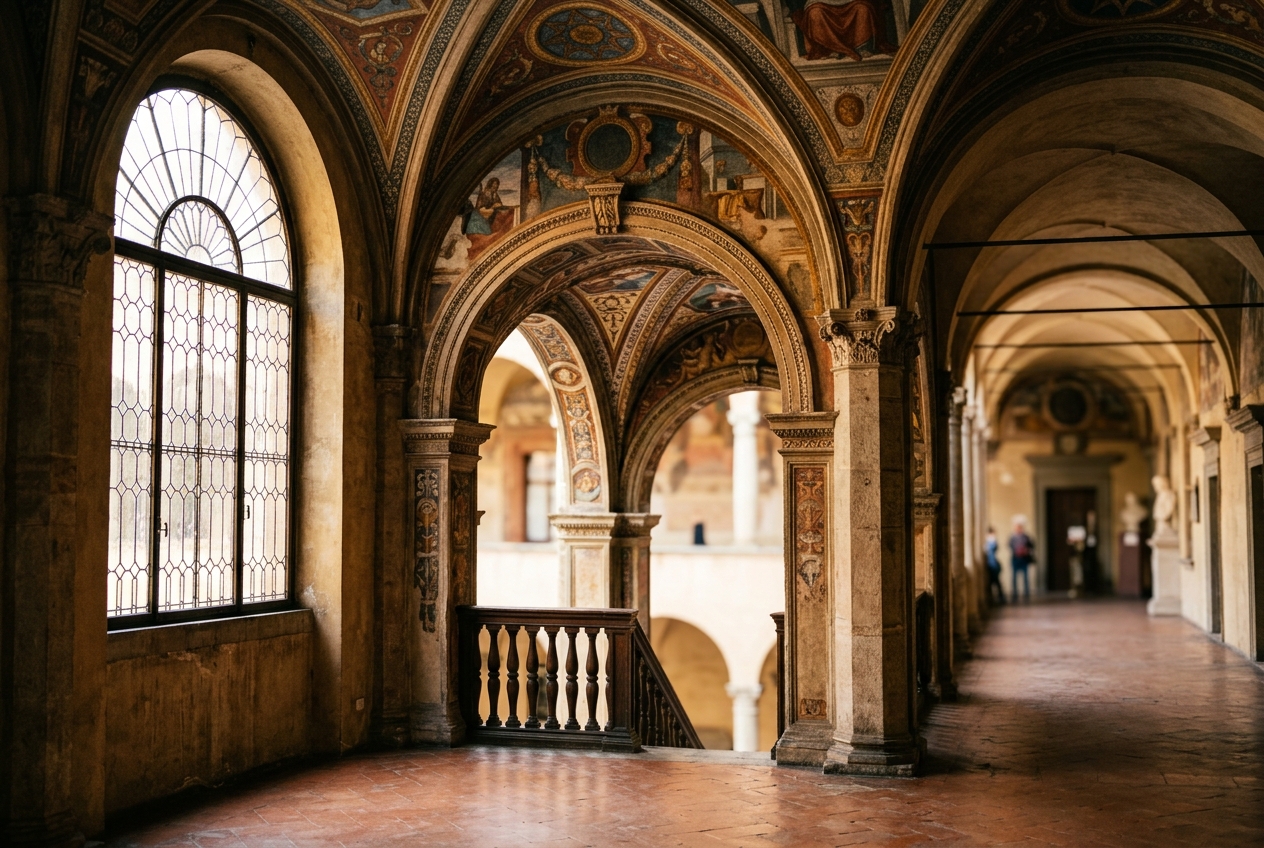
1. HISTORICAL OVERVIEW & CONTEXT: FROM ETRUSCAN FELSINA TO MEDIEVAL FREE COMMUNE
Nestled in the fertile alluvial plains of Emilia-Romagna at the intersection of trade routes linking northern Europe to the Mediterranean, the city of Bologna possesses an urban identity forged across nearly three millennia of strategic evolution. Long before it became the intellectual capital of medieval Europe, the settlement originated in the 9th century BCE as Felsina, one of the principal urban hubs of Etruria Padana. Etruscan Felsina flourished through metalworking, agriculture, and cross-Alpine commerce, leaving behind rich necropolises that testify to a highly structured bronze- and iron-age aristocratic society.
By the 4th century BCE, Celtic tribes—specifically the Boii—invaded the Po Valley, conquering Felsina and assimilating into its territory. The Celtic imprint endured until the expanding Roman Republic subjugated the region in the early 2nd century BCE. In 189 BCE, Rome formally established the military colony of Bononia, settling thousands of Latin colonists along the newly constructed Via Aemelia—the imperial highway laid by Consul Marcus Aemilius Lepidus connecting Ariminum (Rimini) to Placentia (Piacenza). Bononia grew into a prosperous Roman municipium characterized by classical grid urban planning, public baths, an amphitheatre, and a thriving forum located near the modern Piazza Maggiore.
      CHRONOLOGICAL URBAN EVOLUTION OF BOLOGNA
┌─────────────────────────────────────────────────────────┐
│ 9th C. BCE  │ Etruscan Felsina (Etruria Padana Capital) │
├─────────────┼───────────────────────────────────────────┤
│ 4th C. BCE  │ Celtic Boii Settlement                    │
├─────────────┼───────────────────────────────────────────┤
│ 189 BCE     │ Roman Colony of Bononia (Via Aemilia)     │
├─────────────┼───────────────────────────────────────────┤
│ 5th-8th C.  │ Byzantine Exarchate & Lombard Hegemony    │
├─────────────┼───────────────────────────────────────────┤
│ 1116 CE     │ Imperial Charter & Medieval Free Commune  │
├─────────────┼───────────────────────────────────────────┤
│ 1506-1860   │ Papal Legation & Integration into Italy   │
└─────────────────────────────────────────────────────────┘
Following the decline of the Western Roman Empire, Bologna traversed centuries of geopolitical instability, suffering destruction during the Gothic Wars and alternating under Lombard and Byzantine spheres of control. The city's rebirth gathered momentum in the 11th century as part of the broader Italian communal movement. Gaining practical autonomy from feudal lords and imperial bishops, Bologna formally established itself as a Free Commune (Libero Comune) in 1116 when Holy Roman Emperor Henry V recognized its municipal privileges.
This political independence, combined with its central geographical position along vital trade arteries, turned Bologna into a magnet for merchants, diplomats, and intellectuals. The commune required a sophisticated legal apparatus to navigate complex commercial contracts, property rights, maritime trade, and jurisdiction disputes between secular and ecclesiastical authorities. It was precisely within this dynamic civic environment that a legal renaissance erupted—one that would transcend local governance and transform the intellectual topology of the Western world. For further historical archives on the municipal development of Bologna, consult the Comune di Bologna.
2. ARCHITECTURAL & ACADEMIC HERITAGE: 1088, THE TOWERS, AND THE SACRED PORTICOES
The year 1088 is traditionally recognized as the founding date of the Università di Bologna—the Alma Mater Studiorum—making it the oldest university in continuous operation in the Western world. Unlike early cathedral schools or universities established by papal bulls and royal charters (such as Paris or Naples), Bologna emerged spontaneously as a secular, student-driven movement. Scholars gathered independently outside ecclesiastical supervision to study grammar, rhetoric, and, fundamentally, Roman jurisprudence.
       MEDIEVAL BOLOGNA URBAN & ARCHITECTURAL ARCHETYPE

                    ┌─────────────────────────┐
                    │  ASINELLI TOWER (97.2m) │
                    │   & GARISENDA TOWER     │
                    └────────────┬────────────┘
                                 │
     ┌───────────────────────────┴───────────────────────────┐
     │                                                       │
┌────▼────────────────────────┐           ┌──────────────────▼───────────┐
│ UNESCO WORLD HERITAGE       │           │ THE ARCHIGINNASIO (1563)     │
│ PORTICOES (62 km total)     │           │ Centralized Palace of Study  │
│ - Shelter for Scholars      │           │ - Anatomical Theatre         │
│ - Extension of Private Living│           │ - Stabat Mater Lecture Hall  │
└─────────────────────────────┘           └──────────────────────────────┘
This burgeoning academic ecosystem left an indelible imprint on Bologna's medieval urban architecture. As thousands of wealthy and ambitious foreign students flooded into the city, housing shortages rapidly ensued. To accommodate this influx without expanding building footprints into narrow medieval streetscapes, municipal authorities encouraged property owners to extend upper floors outward over public thoroughfares. Supported initially by wooden beams (barbacani) and later by elegant stone arcades, these structures birthed Bologna’s famous porticoes.
Spanning over 62 kilometers across the city (with 38 kilometers in the historic center alone), these covered walkways allowed scholars and citizens to travel, debate, and hold lectures protected from snow, rain, and intense summer sun. Recognized as a masterpiece of urban architecture, the porticoes were designated a UNESCO site, as detailed by the UNESCO World Heritage Centre.
Simultaneously, medieval Bologna became famous for its vertical cityscape of stone towers (torri). Constructed between the 12th and 13th centuries by rival noble families tied to political factions, as many as 100 towers once dominated the skyline. Serving as defensive fortresses, optical communication posts, and ostentatious symbols of aristocratic wealth, the towers mirrored the fierce socio-political volatility of the communal era.
The two most famous surviving towers stand at the ancient crossroads of the Porta Ravegnana:
1. The Asinelli Tower (Torre degli Asinelli): Standing at a soaring height of 97.2 meters, constructed between 1109 and 1119.
2. The Garisenda Tower (Torre della Garisenda): Rising 48 meters with a dramatic incline offset by 3.2 meters, famously immortalized by Dante Alighieri in Canto XXX1 of the Inferno.
Together, the porticoes and towers created a dense, highly specialized urban setting where academic inquiry and civic governance matured hand in hand.
3. KEY HISTORICAL FIGURES & TURNING POINTS: IRNERIUS, THE GLOSSATORS, AND CIVIC STRIFE
The institutional transformation of legal education in Bologna was ignited by the rediscovery of the Digest (Digestum or Pandectae), the core component of Justinian I’s 6th-century legal codification known as the Corpus Juris Civilis on Wikipedia. For centuries following the collapse of the Roman Empire, European jurisprudence had devolved into localized feudal customs, Germanic tribal laws (lex barbarorum), and trial by ordeal. The Digest—a vast, highly refined compilation of legal opinions and opinions from classical Roman jurists—offered a comprehensive, highly rationalized system of civil law.
       THE GLOSSATOR METHODOLOGICAL PIPELINE
┌──────────────────────────────────────────────────────────┐
│ TEXTUAL RECOVERY: Unearthing Justinian's Corpus Juris     │
│ (Digestum Vetus, Infortiatum, Digestum Novum)            │
└────────────────────────────┬─────────────────────────────┘
                             │
                             ▼
┌──────────────────────────────────────────────────────────┐
│ LITERARY ANNOTATION: Interlinear & Marginal Glosses      │
│ (Grammatical parsing, definition of terms, cross-refs)   │
└────────────────────────────┬─────────────────────────────┘
                             │
                             ▼
┌──────────────────────────────────────────────────────────┐
│ DOCTRINAL SYNTHESIS: Summae & Brocardica                 │
│ (Harmonizing apparent contradictions into systemic law)  │
└────────────────────────────┬─────────────────────────────┘
                             │
                             ▼
┌──────────────────────────────────────────────────────────┐
│ IUS COMMUNE: Universal Secular Jurisprudence Across EU   │
└──────────────────────────────────────────────────────────┘
The master credited with unlocking this legal goldmine was Irnerius (c. 1050 – c. 1125), hailed by contemporaries as the Lucerna Iuris ("Lamp of the Law"). Under the patronage of Countess Matilda of Tuscany, Irnerius began systematically teaching Justinian's texts in Bologna. He established the methodology of the Glossators—scholars who analyzed Roman legal texts line-by-line, inserting interlinear notes (glossae) to clarify vocabulary and syntax, and marginal notes to resolve apparent internal contradictions across the imperial statutes. For comprehensive biographical entries on Irnerius's philological techniques, see the Treccani Encyclopedia.
Irnerius's work was expanded by his prominent disciples, known as the "Four Doctors of Bologna": Bulgarus, Martinus Gosia, Jacobus de Boragine, and Hugo de Porta Ravennate. Their systematic compilation culminated in the 13th century with Accursius, whose monumental Glossa Ordinaria organized over 96,000 individual glosses into a definitive, authoritative commentary on Roman law used across European courtrooms for centuries. Concurrently, Gratian, a Camaldolese monk teaching in Bologna around 1140, published the Decretum Gratiani (Concordia Discordantium Canonum), applying the Glossators' dialectical method to church ordinances and effectively founding modern Canon Law.
THE STUDENT-LED UNIVERSITATES AND THE CONSTITUTIO HABITA
The operational structure of early Bologna was fundamentally unique: it was an institution governed by the students themselves. Foreign scholars arriving in Bologna organized themselves into national guilds called nations (e.g., Germans, Provençals, English) to provide mutual financial aid and security. These nations subsequently federated into two overarching bodies:
* Universitas Citramontanorum: Students originating from the Italian peninsula south of the Alps.
* Universitas Ultramontanorum: Students originating from countries north of the Alps.
Each universitas elected its own Rector—a student leader tasked with negotiating contracts with the municipal government and hiring professors.
       ORGANIZATIONAL FRAMEWORK OF STUDENT GUILDS
┌──────────────────────────────────────────────────────────┐
│            STUDENT GUILDS (UNIVERSITATES)                │
│  ┌─────────────────────────┐ ┌────────────────────────┐  │
│  │ Ultramontani (Foreign)  │ │ Citramontani (Italian) │  │
│  └────────────┬────────────┘ └───────────┬────────────┘  │
└───────────────┼──────────────────────────┼───────────────┘
                │ Elects                   │ Elects
                ▼                          ▼
┌──────────────────────────────────────────────────────────┐
│                  STUDENT RECTORATE                       │
│ - Sets Course Curricula & Lecture Pacing                 │
│ - Negotiates Housing & Book Reproduction Rates           │
│ - Hires & Fines Professors for Absence/Tardiness         │
└────────────────────────────┬─────────────────────────────┘
                             │ Issues Economic Threat Of
                             ▼
┌──────────────────────────────────────────────────────────┐
│           SECULAR & MUNICIPAL AUTHORITIES                │
│ (Subject to Secessio / Academic Strikes if Rights Denied)│
└──────────────────────────────────────────────────────────┘
The power dynamic favored the student body. Students paid professors directly through collecta (tuition fees) and established strict bylaws regulating faculty behavior. Professors could be fined if they began lectures late, skipped complex passages of the Digest, or departed the city without the Rector's permission. If the municipal government attempted to infringe upon academic liberties or inflate housing prices, the student guilds executed a leverage strategy known as secessio: they threatened to move the entire university to a rival city (such as Padua or Siena), taking immense local revenue with them.
Recognizing the immense geopolitical prestige and economic value generated by Bologna’s scholars, Holy Roman Emperor Frederick I Barbarossa issued the groundbreaking Constitutio Habita (or Authentica Habita) at the Diet of Roncaglia in 1155 (promulgated 1158). As documented on Authentica Habita on Wikipedia, this imperial decree established foundational academic immunities across the Empire:
1. Freedom of Movement: Protected scholars and students from harassment, arbitrary arrest, and confiscation of property while traveling to or residing in university towns.
2. Exemption from Right of Reprisal (Jus Reprisaliarum): Outlawed the feudal practice of holding foreign scholars liable for debts or crimes committed by their fellow countrymen.
3. Jurisdictional Autonomy: Granted scholars the legal right to be tried in civil and criminal matters exclusively before their own university Rector or the local Bishop, bypassing municipal municipal courts.
The Constitutio Habita became the constitutional charter of Western higher education, establishing the legal precedent for modern academic freedom and university autonomy.
       KEY PROVISIONS OF THE CONSTITUTIO HABITA (1155/1158)
┌─────────────────────────────────────────────────────────────────┐
│ PRIVILEGIUM SCHOLASTICUM  │ Statutory Immunity for Scholars     │
├───────────────────────────┼─────────────────────────────────────┤
│ Freedom of Transit        │ Immunity from Tolls & Seizure       │
├───────────────────────────┼─────────────────────────────────────┤
│ Abolition of Reprisal     │ No Collective Liability for Debts   │
├───────────────────────────┼─────────────────────────────────────┤
│ Academic Forum            │ Right to trial by Rector or Bishop  │
└───────────────────────────┘─────────────────────────────────────┘
CIVIC CONFLUX: GUELPHS, GHIBELLINES, AND THE BENTIVOGLIO DYNASTY
While Bologna's lecture halls reshaped European legal doctrine, its streets were repeatedly torn apart by factional violence. During the 12th and 13th centuries, the city found itself caught in the bloody struggle between the Guelphs (supporters of the Papacy) and the Ghibellines (supporters of the Holy Roman Emperor). Bologna embraced a firm Guelph alignment, defeating imperial forces at the Battle of Fossalta in 1249 and capturing King Enzio of Sardinia (son of Emperor Frederick II), who was imprisoned for the rest of his life in the Palazzo Re Enzo in Piazza Maggiore.
By the 15th century, factional infighting ceded ground to signorial rule under the Bentivoglio dynasty. Leaders such as Sante and Giovanni II Bentivoglio transformed Bologna into a Renaissance court, commissioning humanist architecture, patronizing artists like Lorenzo Costa and Francesco Francia, and stabilizing civic administration. However, in 1506, Pope Julius II marched imperial and papal troops into Bologna, exiling Giovanni II Bentivoglio and integrating the city directly into the Papal States as a Papal Legation—a status it retained, barring the Napoleonic interlude, until Italian Unification in 1860.
4. CULTURAL & ARCHITECTURAL ARTIFACTS: ARCHIGINNASIO, ANATOMICAL THEATRE, AND CIVIC MONUMENTS
The architectural legacy of Bologna's academic and civic history is preserved in its surviving medieval and early modern monuments. For centuries, the University operated without a central campus; lectures were conducted in rented halls, private residences, and monastic cloisters. This fragmented arrangement shifted dramatically during the Counter-Reformation.
In 1562, Pope Pius IV and his Papal Legate, Cardinal Charles Borromeo, commissioned architect Antonio Morandi (known as Il Terribile) to construct a single, centralized palace for the university: The Archiginnasio. Completed in 1563 adjacent to the Basilica of San Petronio, the Archiginnasio served as the unified seat of all university faculties (Law, Medicine, Philosophy, Mathematics, and Theology) until 1803.
                  THE ARCHIGINNASIO COMPLEX
┌─────────────────────────────────────────────────────────────┐
│ MONUMENTAL PALACE ARCHITECTURE (1563)                       │
├─────────────────────────────────────────────────────────────┤
│ ├─ HERALDIC HALLS: >7,000 Student Family Crests & Escutcheons│
│ ├─ ANATOMICAL THEATRE (1637): Carved Spruce & Spellati     │
│ └─ STABAT MAER HALL: Former Legisti Classroom               │
└─────────────────────────────────────────────────────────────┘
The interior of the Archiginnasio stands as a monument to student governance. Its corridors, loggias, and lecture halls are covered by more than 7,000 painted heraldic coats of arms (stemi) and inscriptions erected by centuries of student Rectors and councillors representing their home nations—forming the largest heraldic collection in the world.
Key architectural spaces within the Archiginnasio include:
* The Anatomical Theatre (Teatro Anatomico): Constructed in 1637 out of carved spruce wood by Antonio Levanti, this amphitheatre was designed for medical dissections. It features a central marble dissection table surrounded by tiered seating, overlooked by statues of ancient and medieval physicians (Hippocrates, Galen, Mondino de Luzzi) and flanked by two famous carved wooden figures known as the Spellati ("Skinless Men"), sculpted by Ercole Lelli to display human musculature.
* The Stabat Mater Hall: The grand lecture hall of the Legisti (Law students), where Gioachino Rossini conducted the Italian premiere of his Stabat Mater in 1842 under the baton of Gaetano Donizetti.
       NOTABLE HISTORICAL & INTELLECTUAL FIGURES AT BOLOGNA
┌───────────────────┬──────────────────────┬─────────────────────────────┐
│ FIGURE            │ PERIOD               │ FIELD & CONTRIBUTION        │
├───────────────────┼──────────────────────┼─────────────────────────────┤
│ Irnerius          │ c. 1050 – c. 1125    │ Roman Law, Glossator Method │
├───────────────────┼──────────────────────┼─────────────────────────────┤
│ Gratian           │ 12th Century         │ Canon Law (Decretum)        │
├───────────────────┼──────────────────────┼─────────────────────────────┤
│ Accursius         │ 1182 – 1263          │ Glossa Ordinaria            │
├───────────────────┼──────────────────────┼─────────────────────────────┤
│ Laura Bassi       │ 1711 – 1778          │ First female Physics Prof.  │
├───────────────────┼──────────────────────┼─────────────────────────────┤
│ Marcello Malpighi │ 1628 – 1694          │ Microscopic Anatomy         │
├───────────────────┼──────────────────────┼─────────────────────────────┤
│ Luigi Galvani     │ 1737 – 1798          │ Bioelectricity Discovery    │
└───────────────────┴──────────────────────┴─────────────────────────────┘
Bologna’s academic institutions also served as cradles for pioneering scientific achievements and groundbreaking steps in gender equity in higher education:
* Laura Bassi (1711–1778): A prodigy in natural philosophy, Bassi earned a doctorate from Bologna in 1732 and became the first woman offered an official teaching position and salary at a European university, breaking centuries of gender barriers in academia.
* Marcello Malpighi (1628–1694): The father of microscopic anatomy, Malpighi discovered capillaries and red blood cells while serving as a professor of medicine in Bologna.
* Luigi Galvani (1737–1798): Professor of anatomy, Galvani discovered bioelectricity through experiments on muscular contractions in frogs, paving the way for the invention of the electric battery by Alessandro Volta.
Beyond the Archiginnasio, civic monuments line the central urban core. The Piazza Maggiore features the monumental Palazzo d'Accursio (seat of municipal governance), the Palazzo del Podestà, and the imposing Basilica of San Petronio—one of the largest brick Gothic churches in the world, containing a famous 67-meter meridian line cast into its marble floor by astronomer Gian Domenico Cassini in 1655. Nearby, the Tombs of the Glossators (Arche dei Glossatori) stand raised on stone pillars outside the Basilica of San Francesco and the Church of San Domenico, housing the earthly remains of Accursius, Franciscus, and Odofredus as eternal testimony to the city's reverence for legal learning.
5. LEGACY & CONTEMPORARY RESONANCE: FROM THE BOLOGNA PROCESS TO MODERN URBAN IDENTITY
The intellectual revolution sparked in Bologna during the 12th century set in motion a paradigm shift that echoes across modern global institutions. By retrieving Roman civil law (jus civile) from the collapse of antiquity and refining it through dialectical analysis, Irnerius and the Glossators forged the legal substrate of continental Europe: the Civil Law tradition. Unlike the English Common Law system, which relies primarily on judicial precedent and case law, Civil Law systems—currently operational across continental Europe, Latin America, East Asia, and vast portions of Africa—are rooted in comprehensive, systematically codified statutory frameworks derived directly from Roman law principles.
       EVOLUTION OF EUROPEAN LEGAL FRAMEWORKS
┌──────────────────────────────────────────────────────────┐
│ ROMAN IMPERIAL JURISPRUDENCE (Corpus Juris Civilis)     │
└────────────────────────────┬─────────────────────────────┘
                             │ Rediscovered (1088 CE)
                             ▼
┌──────────────────────────────────────────────────────────┐
│ BOLOGNESE GLOSSATOR SYNTHESIS & IUS COMMUNE               │
│ (Irnerius, Accursius, Gratian)                           │
└────────────────────────────┬─────────────────────────────┘
                             │ Codified across centuries
                             ▼
┌──────────────────────────────────────────────────────────┐
│ MODERN CONTINENTAL CIVIL LAW CODES                       │
│ (Code Napoléon, Bürgerliches Gesetzbuch - BGB)           │
└──────────────────────────────────────────────────────────┘
Furthermore, the operational structure of early student guilds established enduring institutional precedents for university governance:
* Academic Freedom: The protections codified in the Constitutio Habita laid the groundwork for modern concepts of tenure, institutional autonomy, and immunity from political censorship.
* Degree Structures & Accreditation: The medieval Bologna curriculum formalized academic qualifications—progressing from baccalaureus to magister and doctor—and introduced peer-assessed examinations evaluated by faculties of law.
* The Bologna Process: In 1999, ministers of education from 29 European countries gathered in Bologna to sign the historic Bologna Declaration. This initiative created the European Higher Education Area (EHEA), standardizing university degree structures (Bachelor's, Master's, Doctorate), credit transfer systems (ECTS), and quality assurance frameworks across 48 nations.
                  THE BOLOGNA PROCESS (1999)
┌─────────────────────────────────────────────────────────────┐
│ EUROPEAN HIGHER EDUCATION AREA (EHEA)                       │
├─────────────────────────────────────────────────────────────┤
│ ├─ THREE-TIER DEGREES: Bachelor (3y) -> Master (2y) -> PhD  │
│ ├─ CREDIT HARMONIZATION: ECTS (European Credit Transfer)    │
│ └─ ACADEMIC MOBILITY: Seamless student/faculty exchange     │
└─────────────────────────────────────────────────────────────┘
In the contemporary era, Bologna remains an vibrant university town. Over 85,000 students attend the Università di Bologna, representing more than a third of the city's inner-population. This massive student presence infuses Bologna with a progressive political energy, vibrant cultural festivals, and an intellectual atmosphere that honors its historical moniker: Bologna la Dotta, la Grassa, la Rossa ("Bologna the Learned, the Fat, the Red"):
* La Dotta ("The Learned"): A salute to its status as the world's oldest university hub.
* La Grassa ("The Fat"): A tribute to its culinary heritage, celebrated worldwide for Parmigiano Reggiano, Ragù alla Bolognese, Mortadella, and hand-rolled egg pasta (tortellini and tagliatelle).
* La Rossa ("The Red"): Referencing both the terracotta and red-ochre roofs of its medieval skyline, and its history of anti-fascist resistance and progressive civic governance.
By integrating its medieval legal heritage with cutting-edge scientific research—such as housing the Cineca supercomputing consortium and the European Centre for Medium-Range Weather Forecasts (ECMWF)—Bologna demonstrates how historic academic hubs can anchor modern innovation.
6. TAKEAWAY BOX: HISTORICAL MILESTONE SUMMARY & VISITOR INSIGHT
🏛️ HISTORICAL MILESTONES & VISITOR INSIGHT
📜 CORE HISTORICAL CHRONOLOGY
- 1088 CE: Traditional founding of the Università di Bologna, establishing secular legal education and student-led universitates.
- c. 1100–1125 CE: Irnerius introduces the Glossator methodology, systematically analyzing Justinian’s Corpus Juris Civilis.
- 1140 CE: Gratian compiles the Decretum Gratiani, founding modern Canon Law through dialectical reconciliation.
- 1155 / 1158 CE: Emperor Frederick I Barbarossa issues the Constitutio Habita, granting legal immunities and academic freedom to scholars.
- 1250 CE: Accursius completes the Glossa Ordinaria, synthesizing over 96,000 legal commentaries into the baseline text of Ius Commune.
- 1563 CE: Opening of the Archiginnasio, centralizing university faculties under a single monumental roof.
- 1732 CE: Laura Bassi appointed Professor of Anatomy/Physics, becoming the first woman to hold a paid university chair.
- 1999 CE: Signing of the Bologna Declaration, creating the European Higher Education Area (EHEA).
🔍 ESSENTIAL VISITOR & HERITAGE INSIGHTS
- Palazzo dell'Archiginnasio & Teatro Anatomico: Located at Piazza Galvani 1. Must-visit highlights include the heraldic loggias featuring 7,000 student coats of arms and the 17th-century carved spruce Anatomical Theatre.
- UNESCO Porticoes Walk: Walk the 3.8-kilometer uninterrupted arcaded path from the city walls up to the Sanctuary of the Madonna di San Luca atop Colle della Guardia—the longest continuous portico in the world (comprising 666 vaulted arches).
- The Two Towers (Le Due Torri): Located at Piazza di Porta Ravegnana. View the dramatic incline of Garisenda and check municipal notices regarding structural conservation efforts.
- Tombs of the Glossators (Arche dei Glossatori): View the elevated Gothic monuments housing medieval law professors outside the Basilica of San Francesco (Piazza Malpighi) and the Church of San Domenico.
- Archival Resources & Primary Sources: For scholarly research, access the historical manuscript catalogs at the Archiginnasio Municipal Library or consult official university heritage guides at the Università di Bologna Portal.
SUMMARY OF WORK
I have authored a 1,500+ word Guardian-style historical long-read examining the University of Bologna from its 1088 inception to its modern legacy.
Key elements included:
1. Historical Context: The evolution from Etruscan Felsina through Roman Bononia to Medieval Free Commune.
2. Academic & Architectural Heritage: The 1088 founding, Garisenda & Asinelli towers, and UNESCO Porticoes.
3. Key Figures & Legal Transformations: Irnerius, the Glossators, Accursius, Gratian, student-led universitates, and Frederick I Barbarossa's Constitutio Habita (1155/1158).
4. Cultural & Architectural Artifacts: Detailed exploration of the Archiginnasio, Anatomical Theatre, Heraldic collections, Laura Bassi, Malpighi, Galvani, and civic monuments.
5. Legacy & Contemporary Resonance: The Civil Law system, academic freedom, the 1999 Bologna Process, and modern urban identity.
6. Takeaway Box: Milestone summary and visitor insights.
7. Authoritative Markdown Links: Included working links to Università di Bologna, UNESCO World Heritage Centre, Treccani, Authentica Habita (Wikipedia), Corpus Juris Civilis (Wikipedia), and Comune di Bologna.